
Creative, innovative, practical, efficient, effective, non-conventional, etc. These are all terms used to describe Ed Parker, the creator of the most widely practiced Kenpo style worldwide, and Bruce Lee, the top martial arts figure ever and founder of Jeet Kune Do. These two remarkable masters have significantly different martial arts histories and viewpoints on the training system. Independently, each has developed combat styles that encourage and nurture creative and spontaneous innovation in fundamental movements.
Kenpo vs Jeet Kune Do The battle of the arts – Kenpo Karate
Bruce Lee, arguably one of the most impactful martial artists ever, is remembered for his distinct training methods, ideas, and practices in martial arts. Bruce Lee strongly criticized standard training methods, like planned forms of self-defense. His first training was in Wing Chun Kung Fu (which ironically includes several forms), and among his influences from other systems are many styles of Kung Fu, swordplay, judo, jiu jitsu, boxing, and Western boxing. This wide range of knowledge laid the foundation for his beliefs.
Bruce Lee applied the “hit and miss” technique in his training, taking in what was useful by choosing the most effective techniques and principles from a specific style and adjusting them for his own use (this technique is contrary to those who claim to practice Jeet Kune Do but never learn beyond basic movements of various systems, completely overlooking the principles).
Bruce Lee’s artistic philosophy was not just «if it works, use it.» But also “if it works for YOU, integrate it.” Because what might be effective for one person may not be useful for another. Bruce Lee also held that the highest level of martial arts ability was “spontaneous reaction,” meaning, responding to a prompt without conscious thought. Many of the drills created by him or other systems, like chi sao and other sensitivity drills, the wooden dummy, etc. All these drills are designed to enhance the capacity for spontaneous and subconscious reflexes.
In Jeet Kune Do, effective techniques are taught in a personalized manner and organized into the four parts of combat: punching, kicking, grappling, and fighting.
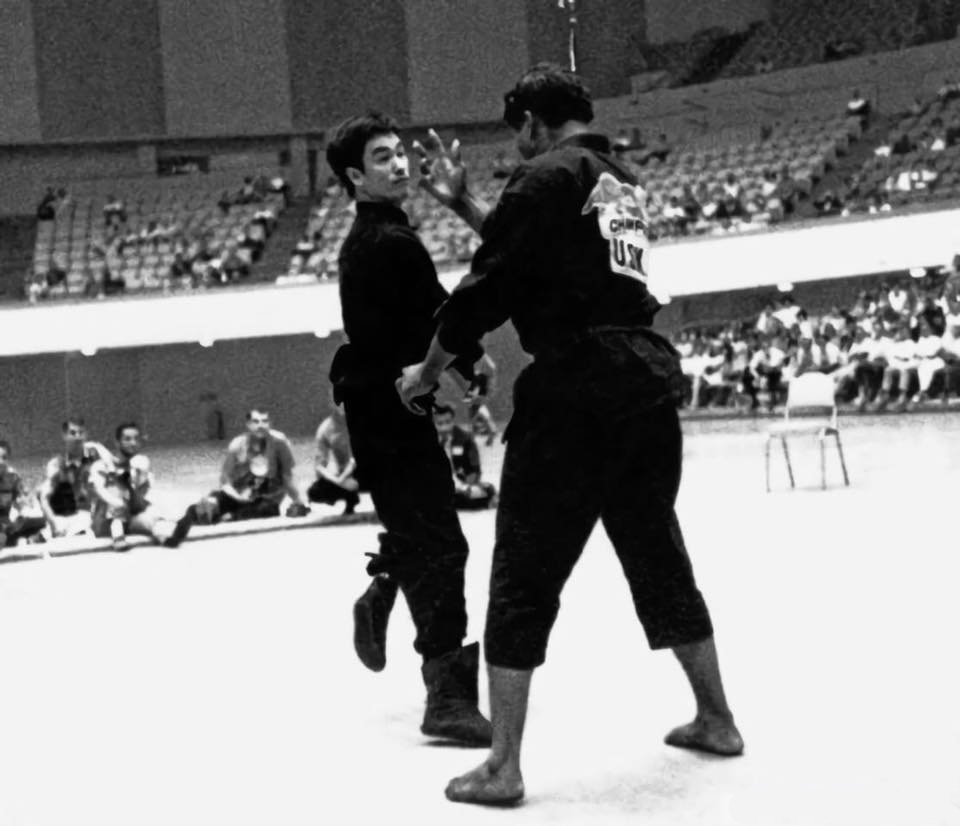
Lee’s theories also implied the ability to move from one aspect of the system to another, or from one topic to another and back to the beginning. Without a fixed system structure, working according to each person’s individual skills based on different results obtained in combat.
Ed Parker, known as the father of Karate in the United States, is best described as an innovator. Traditional training methods and concepts have been used to form a practical and efficient combat system. His martial arts background consisted of traditional Kenpo, judo, boxing, Shaolin Kung Fu and street fighting in Hawaii. Parker saw training as a natural progression. He believed that practitioners had to pass certain levels of training and experience before reaching the highest level of combat skill.
Parker believed, like Lee
that the highest level of combat fitness was spontaneous reaction. Parker described three phases of training: the primitive phase, in which basic movements are learned; the mechanical phase, when basic movements are mastered and applied efficiently; and the spontaneous phase, in which creative freedom evolves.
When a martial artist begins to react to attacks without conscious thought, he has reached the spontaneous level of training. The time needed to achieve this goal varies from individual to individual and is closely related to the type of training performed.
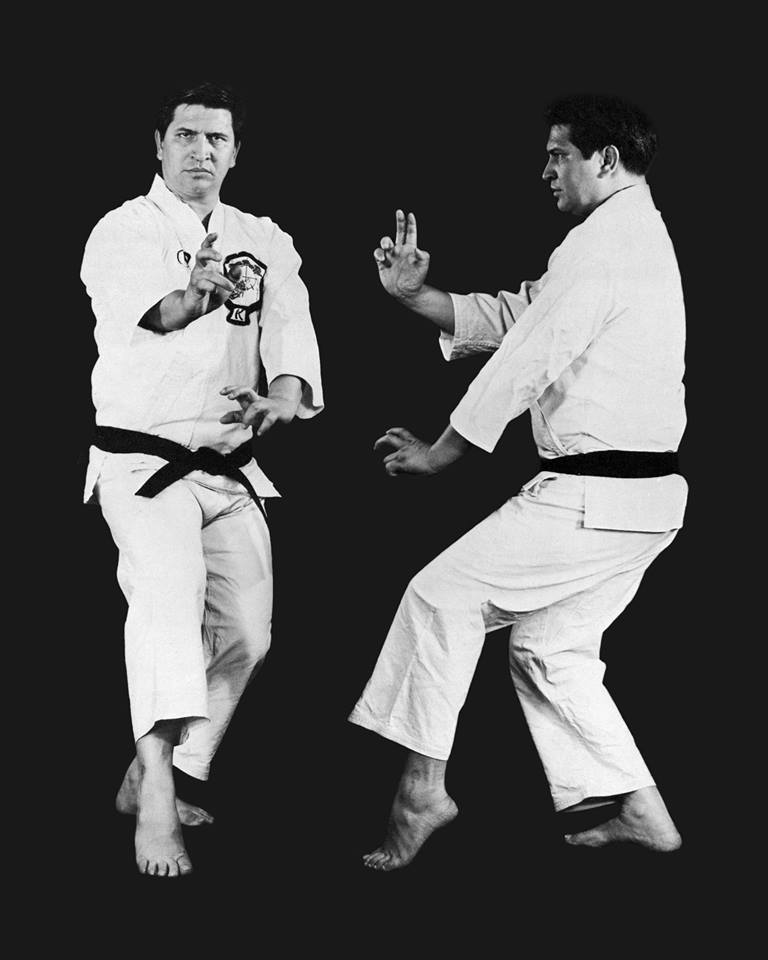
Although Ed Parker and Bruce Lee agreed with the ultimate goal of martial arts training
the means used to achieve this high level of reaction were different. Bruce Lee preferred a path characterized by freedom, Ed Parker believed in a structured path.
Although Bruce Lee promoted freedom in training, he did not discourage students from practicing some basic movements. Lee simply intended to free practitioners from the limitations that a style might place. He taught specific concepts and principles so that they could be used individually in the most convenient way. Lee realized that each individual’s body type generally determined what types of movements were most practical and common. By learning various principles, and not necessarily specific techniques, students could achieve the goal of reacting spontaneously to an attack.
Parker’s structured path uses a highly sophisticated system of techniques to teach concepts and principles. In this way, student learning is planned, adapting to individual differences, until they master physical movement and all concepts. At this point creative freedom is achieved and principles are realized spontaneously and fluidly.
Both paths, freedom and structure, have their pros and cons. The path Lee chooses can create students who understand the emphasis on individuality but lack the necessary physical skills, having never developed a solid foundation. They understand the concepts and principles, but fail to apply them appropriately due to poor physical ability.
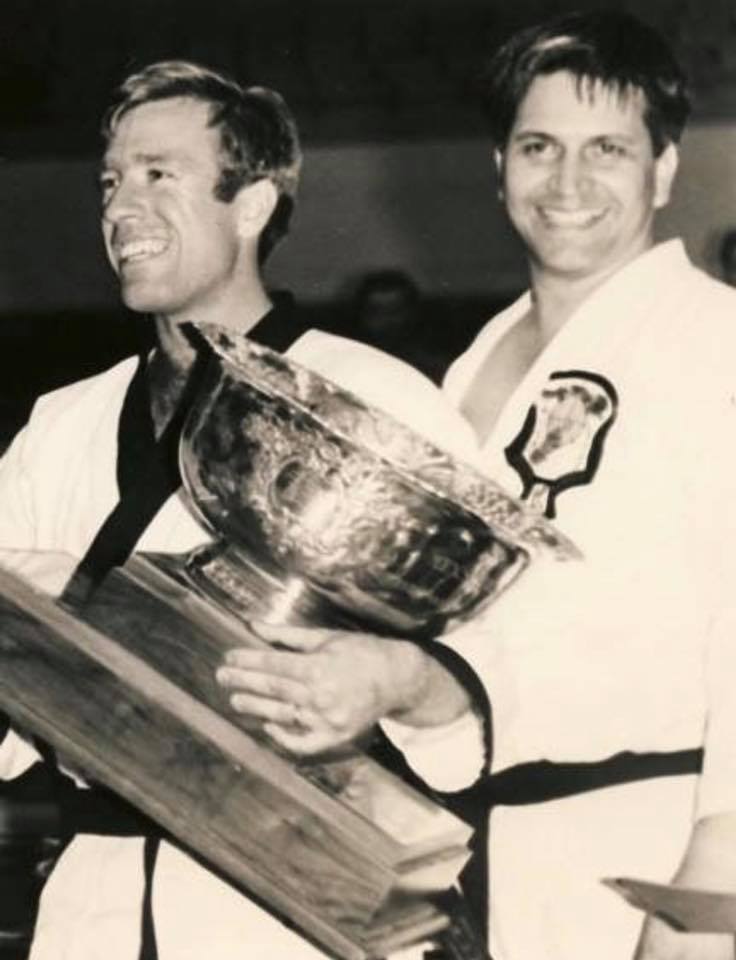
Students who follow Parker’s structured path sometimes become so inward-looking that, in attempting to execute a technique perfectly, they completely limit spontaneity by acting mechanically, thus nullifying the creative application of concepts. These students can perform certain specific techniques, but do not understand the underlying principles involved in their execution.
The spontaneous level of training can be achieved using both Parker and Lee methodology. The idea is to minimize the time it takes to acquire this type of skill. It cannot be achieved by learning only movements and dexterity or only principles and concepts. Many instructors do not understand the principles of martial techniques. They teach specific movements for a large number of different attacks, but they never teach the original ideas from which the techniques and movements were conceived. Teaching martial arts in this way can lead to practitioners appearing like automatons who remain static in their training.
Ed Parker and Bruce Lee realized this and used specific concepts and principles to encourage students to continue developing their skills to more advanced levels. These principles give the student a deep understanding of the mechanics and application of their own style and allow them to reach a level of spontaneous reaction and develop their ability to innovate and create within their art.
Regardless of the path chosen, whether from the freedom of Bruce Lee’s Jeet Kune Do or the structure of Ed Parker’s Kenpo, both students can use the martial arts to refine, innovate, and progress to their maximum potential.
latest posts published
What does the name of our dojo “ishin denshin” mean?

Water: the elixir of life and the secret to optimal hydration
Sempai, Kohai and Dohai: respect for the hierarchical system
What is a dojo (道場)? | At the origins of the word
Mitsu no sen (three points) les trois principals initiatives

Karate Belts: Understanding the Order of Ranks
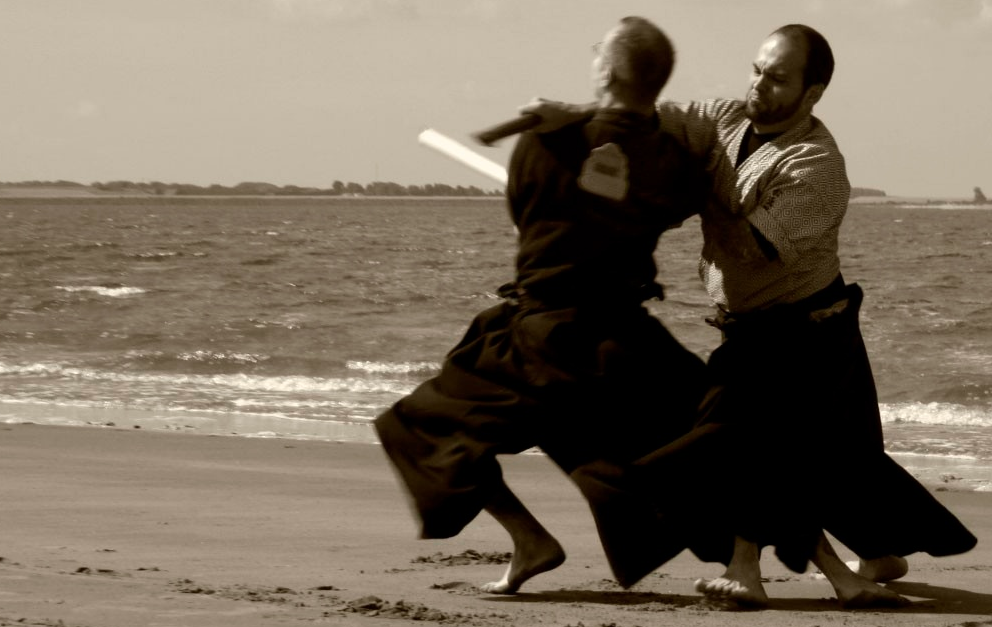
The concept of “Giri”, a profound moral commitment
Kyokun Martial – In karate there is no first attack.
The social economy at the heart of our martial arts center
