
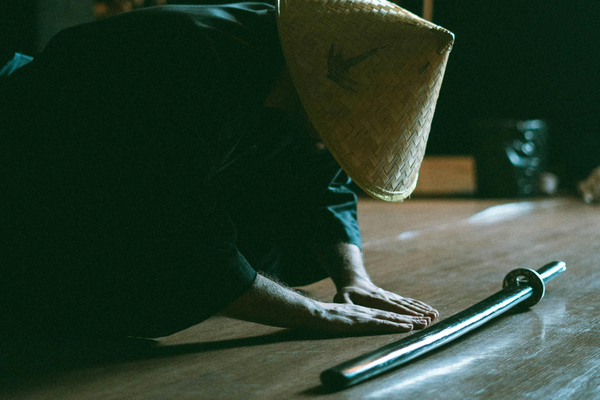
Discover the true meaning of Budô and how this ancestral philosophy influences the practice of Aikido and the daily lives of practitioners.
When we think of Japanese martial arts such as Aikido, Judo, Kendo or Karate, it is common to focus on technique, discipline or self-defense. However, behind the movements there is a profound philosophy that guides the behavior, ethics and purpose of the practitioner. This philosophy is called Budô — or “The Way of the Warrior”.
More than a set of fighting practices, Budô is a path of personal and spiritual improvementwhere every workout is an opportunity for internal development. In this article we will explore what Budô is, its origins, its principles and how this philosophy transforms the practice of Aikido into something that goes far beyond a martial art.
🏯 1. The Meaning of Budô
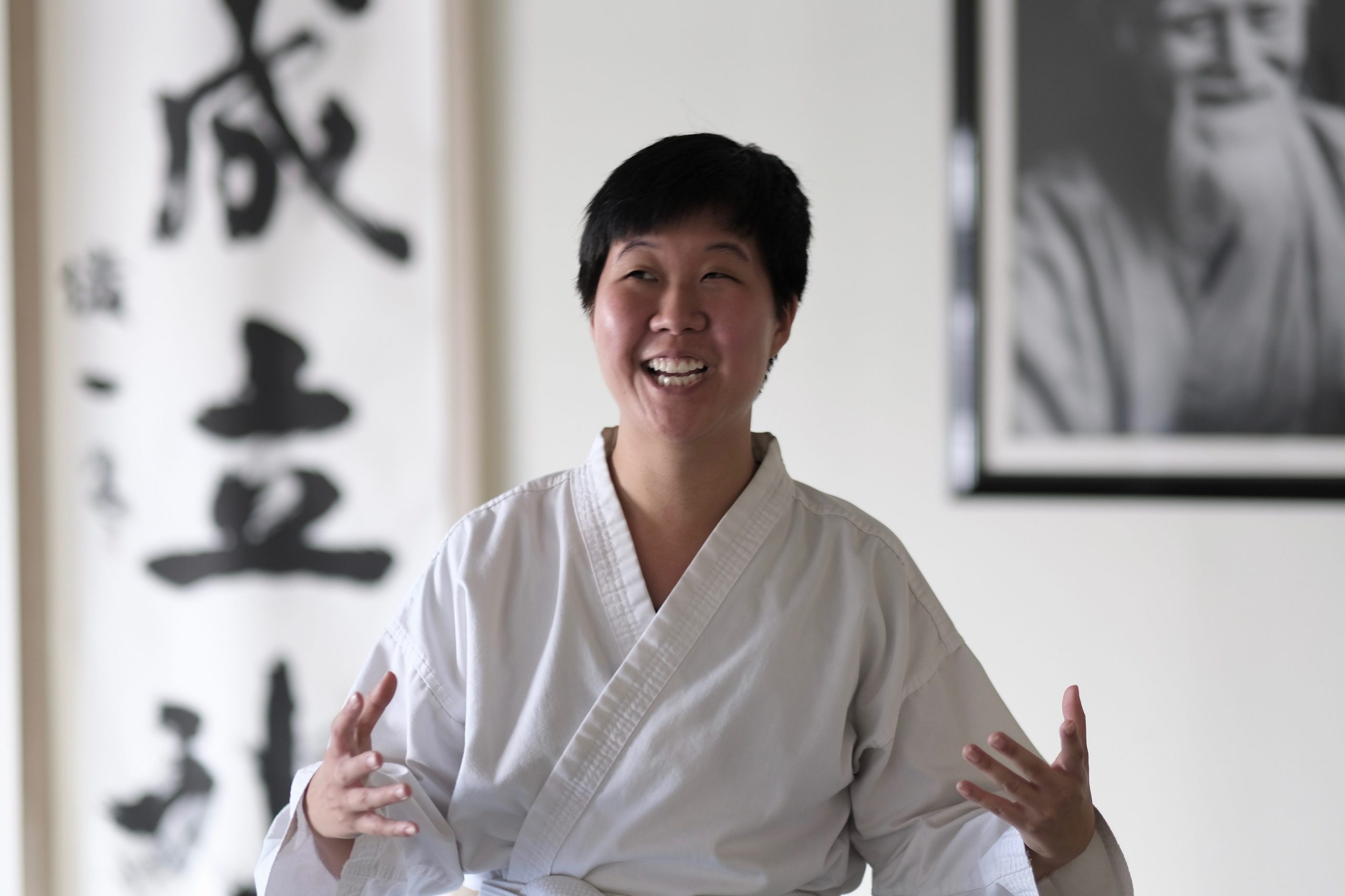
The word Budô (martial arts) is composed of two ideograms:
Therefore, Budô can be translated as “The Way of the Warrior«, but its essence goes far beyond combat. In Budô, the true warrior is not the one who defeats others, but the one who defeats himself: his fears, ego, impulses and limits.
📜 2. Origin and evolution of Budô
The concept of Budô emerged in feudal Japan, where samurai not just fought for, but lived by a strict code of moral conduct known as Bushido (the warrior’s code of honor). Over time, fighting techniques transformed into forms of physical, mental and spiritual training.
Throughout the 20th century, masters such as Morihei Ueshibafounder of Aikido, saved these values by creating martial arts that were not based only on strength, but on respect, harmony and inner balance.
🧭 3. Fundamental Principles of Budô
Budô is guided by profound values that shape the character of the practitioner:
- Respect (King): for yourself, partner and dojo
- Self-control: knowing how to control your emotions even in pressure situations
- Discipline: train with perseverance and humility
- Harmony (Wa): act without violence, seeking integration with others
- Courage (Yūki): face challenges with determination, not aggression
These principles are cultivated day after day and extend outside the dojo, influencing the practitioner’s behavior in the family, at work and in society.
🔄 4. Budô in Aikido: the art of harmony
Aikido is one of the purest expressions of modern Budô. Created for the purpose of uniting body, mind and spirit, Aikido teaches the practitioner to do so defuse conflict with intelligence and compassionnot brutally.
Every technique, every fall and every fluid movement of Aikido is a manifestation of the ideals of Budo. Constant practice brings the student to a greater state presence, emotional balance and clarity of action.
🌱 5. Budô in everyday life: a path to life
The most beautiful thing about Budô is precisely this it doesn’t end up on the carpet. The way an Aikido practitioner behaves in line at the bank, in traffic or when faced with a problem is influenced by the constant practice of the Budô philosophy.
By adopting this path the student learns to act with empathy, to listen more, to react less and to maintain serenity even in adversity. Living Budô means training every day, not only with the body, but with the heart.
Book your trial lesson without obligation
Do you want to experience all this in practice and understand why Aikido transforms lives?
Book your trial lesson now!
Come feel the energy of the dojo, learn from qualified instructors and take the first step on a journey of self-knowledge, discipline and harmony.
Click here to make an appointment
SEO keywords: what is budo, meaning of budo, philosophy of Japanese martial arts, samurai and budo, budo in the modern era, ethics in martial arts, aikido and budo
Conclusion: Budō as a Daily Compass
The true meaning of Budō is not found in the technique of fighting, but in the character and spirit of the practitioner. It provides a moral compass for the daily lives of practitioners by emphasizing discipline, humility, perseverance, and respect far beyond the dojo walls. When applied to daily life, Budō transforms challenges into opportunities for growth, conflict into understanding, and self-defense into self-mastery. For the Aikido practitioner, Budō is the life-long commitment to making their every movement, thought, and interaction an expression of peace and ethical strength.
latest posts published
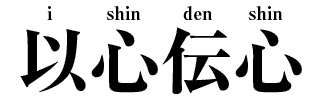
What does the name of our dojo “ishin denshin” mean?

Water: the elixir of life and the secret to optimal hydration
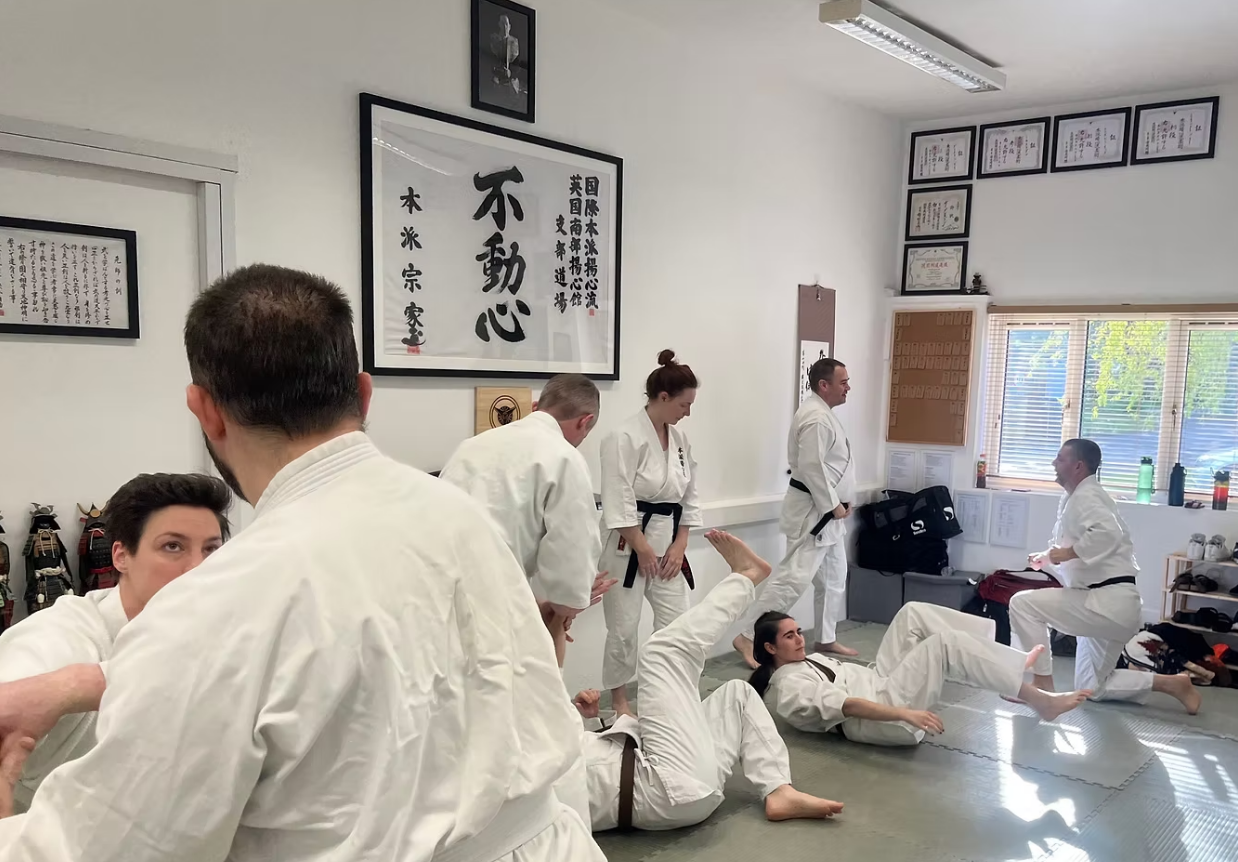
Sempai, Kohai and Dohai: respect for the hierarchical system
What is a dojo (道場)? | At the origins of the word
Mitsu no sen (three points) les trois principals initiatives

Karate Belts: Understanding the Order of Ranks
The concept of “Giri”, a profound moral commitment

Kyokun Martial – In karate there is no first attack.
The social economy at the heart of our martial arts center
