
The idea of “Giri” (義理), often interpreted as “duty” or “responsibility” in Japanese, is deeply ingrained in martial arts and Japanese culture as a whole. This term, much more meaningful than merely “duty”, carries values of loyalty, respect, responsibility, and commitment to others and oneself. Within martial arts practice, “Giri” captures the essence of the connection between student and teacher, training partners, as well as self-discipline. Let us delve into this vital value that enriches and fortifies martial practice.
You “turn” towards the teacher
In martial arts, the relationship between student and teacher is sacred. The teacher is not just a guide, but a source of inspiration and moral support, who bears the weight of traditions and wisdom passed down through the years. “Giri” encourages the student to express respect and thankfulness towards the teacher, not only by faithfully following the lessons but by actively participating in the journey of “bushido” (“the way of the warrior”). This heartfelt dedication is a way to honor the teacher’s efforts and maintain the integrity of the art being taught.
In Japanese culture, the idea of “Giri” can often be perceived as a “moral duty” that goes beyond simple respect. The student must also think about the reputation and honor of the dojo. Any action taken by the student may reflect on the teacher, which adds a layer of responsibility to the “Giri” owed to them.
“Turns” towards your training partners
Martial arts cannot be practiced in isolation; require a partner, even in disciplines where you train alone, because the social environment of the dojo contributes greatly to everyone’s progress. “Giri” here implies treating your training partners with respect and care, as they are essential to each other’s development. In practice, this means offering constructive support, ensuring everyone’s safety, and being receptive to corrections and suggestions.
In Japanese there is the concept of «uchi-deshi» (the internal student), according to which an apprentice resides in the dojo and dedicates himself totally to his learning. This represents one of the highest levels of «Giri»: a life entirely dedicated to art, under the authority of the sensei and at the service of the training of companions.
“Turns” towards yourself
The notion of “Giri” is not limited to external relations; it also applies to the individual, particularly regarding self-discipline and perseverance. Committing to martial arts involves personal sacrifice, rigorous training, and ongoing commitment to progress. “Giri” pushes every practitioner to remain faithful to their path, not to give up in the face of challenges and to strive for excellence. This notion also encourages personal reflection and constant rectification of one’s conduct, because the practitioner is seeking not only technical mastery, but also personal development.
“Giri” and the art of living
Beyond the dojo, the concept of «Giri» extends to the daily life of the martial arts practitioner. It reminds us that the principles of loyalty, respect and responsibility must also guide our social interactions and our engagements in the outside world. Martial arts are not simply a set of techniques; they embody a philosophy that encourages us to live in harmony with others, while remaining firmly anchored in our values.
Conclusion
The concept of “Giri” in martial arts transcends the simple notion of duty to embrace a deep moral commitment to oneself and others. It invites us to honor our bonds with sensei, our training partners, and to cultivate rigorous self-discipline. This spirit of duty helps to strengthen the martial community and make each practitioner a guardian of tradition, bearer of respect, loyalty and sincerity. By integrating “Giri” into his or her practice, the martial arts practitioner strives not only to master an art, but to embody a noble and inspiring lifestyle.
latest posts published
What does the name of our dojo “ishin denshin” mean?

Water: the elixir of life and the secret to optimal hydration
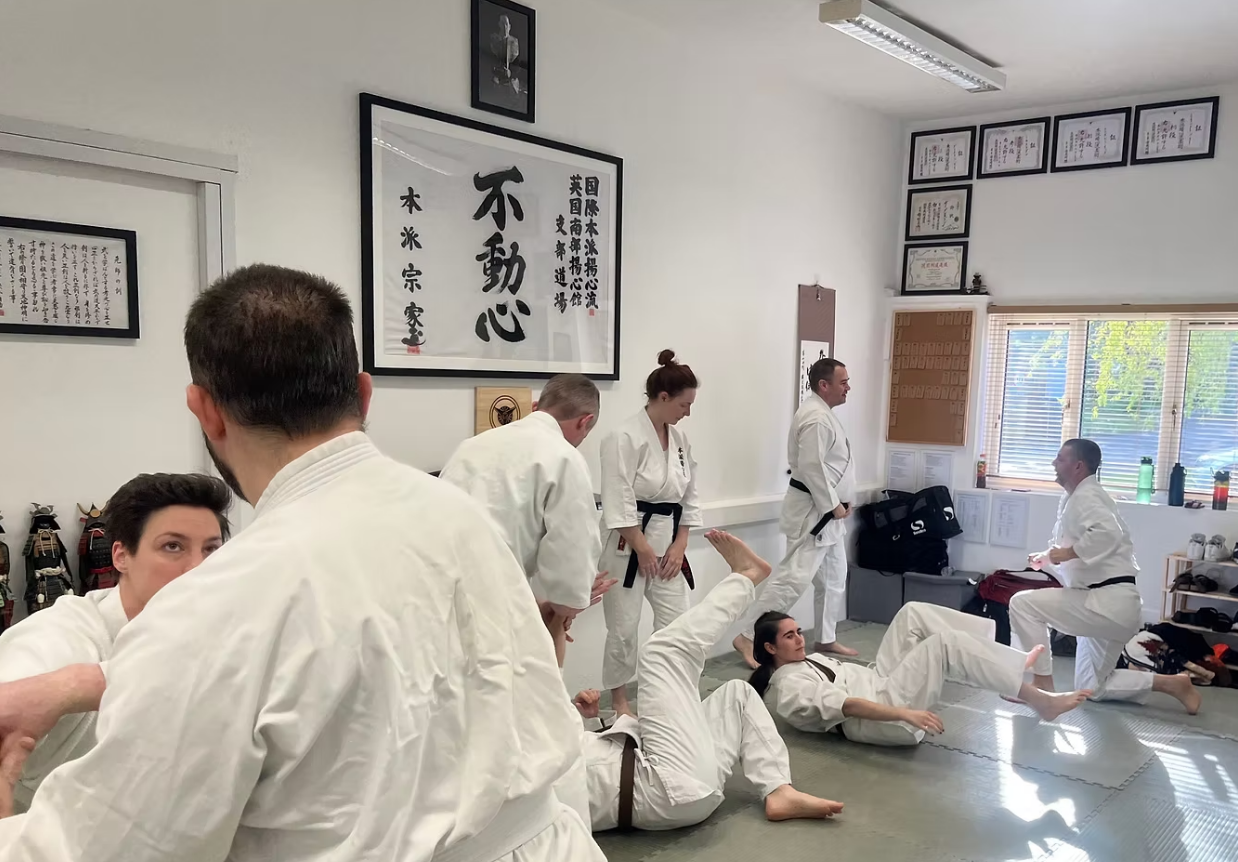
Sempai, Kohai and Dohai: respect for the hierarchical system
What is a dojo (道場)? | At the origins of the word
Mitsu no sen (three points) les trois principals initiatives

Karate Belts: Understanding the Order of Ranks
The concept of “Giri”, a profound moral commitment
Kyokun Martial – In karate there is no first attack.
The social economy at the heart of our martial arts center
