

In recent years, martial arts have gained popularity among children and teenagers. Many families are realizing the benefits that these practices can bring to the development of their little ones. In this post we will explore how martial arts can have a positive impact on children’s lives, from improving physical health to strengthening self-esteem.
What are martial arts?
Martial arts are fighting systems that involve self-defense techniques, discipline and philosophy. There are different modalities, such as karate, judo, taekwondo and jiu-jitsu. Each of them has its own specific characteristics and advantages, but they all share fundamental principles that can be very useful for children.
Physical benefits

One of the main benefits of martial arts is improved physical health. Children who engage in these activities tend to be more active and healthier. Here are some of the physical benefits that martial arts can offer:
-
Increased muscle strength: Fighting techniques require strength and endurance, which helps develop children’s muscles.
-
Improved motor coordination: The precise and fast movements of martial arts help improve coordination and balance.
-
Greater flexibility: Many martial arts include stretching and movements that promote flexibility, which is essential for overall health.
-
Weight control: Regular practice can help maintain an adequate weight, combating childhood obesity.
Mental benefits
In addition to the physical benefits, martial arts also have a significant impact on children’s mental health. Here are some ways these practices can help:
-
Increased concentration: Martial arts require concentration and attention, which can help children improve their ability to concentrate in other areas, such as school.
-
Development of the discipline: Regular practice and respect for the rules of martial arts teach children to be more disciplined and responsible.
-
Stress reduction: Physical activity is a great way to release accumulated tension. Martial arts offer a healthy outlet for stress.
-
Increased self-confidence: As children learn new skills and techniques, they feel more confident in their abilities.
Social benefits
Martial arts also promotes social interaction and teamwork. Here are some ways these practices can help children relate better to others:
-
Promote respect: Martial arts teach respect for instructors and colleagues, which is fundamental for coexistence in a group.
-
Development of social skills: Children learn to communicate and work as a team during training and competitions.
-
Create bonds of friendship: Group practice helps form lasting friendships as children share experiences and challenges.
Examples of popular martial arts
There are several types of martial arts that can be beneficial for children. Here are some of the most popular:
-
Karate: Focuses on punches, kicks and defense techniques. It’s a great option for kids who love dynamic activities.
-
Judo: Involves falling and immobilization techniques. It is excellent for developing strength and body control.
-
Taekwondo: Known for its high and fast kicks, it is a practice that improves flexibility and agility.
-
Jiu jitsu: Focuses on ground combat and self-defense. It’s a great way to teach kids how to defend themselves.
How to choose the right martial art for your child
Choosing the right martial art for your child can be a challenge. Here are some tips to help you with this decision:
-
Consider the child’s interests: Ask your child which mode they find most interesting. This can increase motivation to practice.
-
Visit martial arts schools: Take your child to different gyms and observe the classes. This can help you understand the environment and philosophy of each place.
-
Talk to the instructors: Ask about their approach to teaching and developing children. A good instructor must be patient and encouraging.
-
Try free lessons: Many gyms offer trial classes. This can be a great way to see if your child enjoys the sport.
The role of parents
Parents play a key role in engaging children in martial arts. Here are some ways you can support your child:
-
Encourage regular practice: Help your child maintain an exercise routine. Consistency is important for development.
-
Participate in competitions: Participate in competitions and events. This shows your child that you appreciate their efforts.
-
Talk about lessons learned: Discuss with your child what he or she has learned in class. This can strengthen the values and principles of martial arts.
The importance of safety
Safety should be a priority when practicing martial arts. Here are some tips to ensure your child’s safety:
-
Use appropriate equipment: Make sure your child wears necessary protective equipment, such as head protection and knee pads.
-
Choose a reliable gym: Research the reputation of the gym and check if the instructors are qualified.
-
Supervise lessons: Be present in class, especially at the beginning. This can help ensure that your child is safe and comfortable.
The long-term impact
The benefits of martial arts can extend well beyond childhood. Children who practice martial arts tend to become healthier, more disciplined and confident adults. Additionally, the social and conflict resolution skills they learn can be valuable throughout their lives.
A journey of self-discovery
Starting to practice martial arts can be an incredible journey for children. Not only do they learn to defend themselves, but they also discover more about themselves. Through training, they face challenges, overcome obstacles and become more resilient.
Inspiring conclusion
Martial arts offers children a unique opportunity to grow in many areas of their lives. From physical health to emotional and social development, the benefits are undeniable. If you are thinking of enrolling your child in a course, don’t hesitate. This could be one of the best decisions you will make for his future.
latest posts published
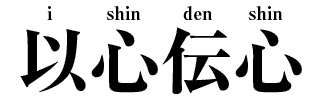
What does the name of our dojo “ishin denshin” mean?

Water: the elixir of life and the secret to optimal hydration
Sempai, Kohai and Dohai: respect for the hierarchical system

What is a dojo (道場)? | At the origins of the word
Mitsu no sen (three points) les trois principals initiatives

Karate Belts: Understanding the Order of Ranks
The concept of “Giri”, a profound moral commitment
Kyokun Martial – In karate there is no first attack.
The social economy at the heart of our martial arts center
