

The fascinating story of Karate in Brazil: overcoming challenges and consolidating a sport of global relevance Karate is a Japanese martial art that has a fascinating history in Brazil. In 2021, the sport was recognized as one of the events of the Tokyo Olympic Games, which helped increase visibility and interest in karate around the world. But, like everything in life, the history of karate in Brazil is full of ups and downs, challenges and overcomings.
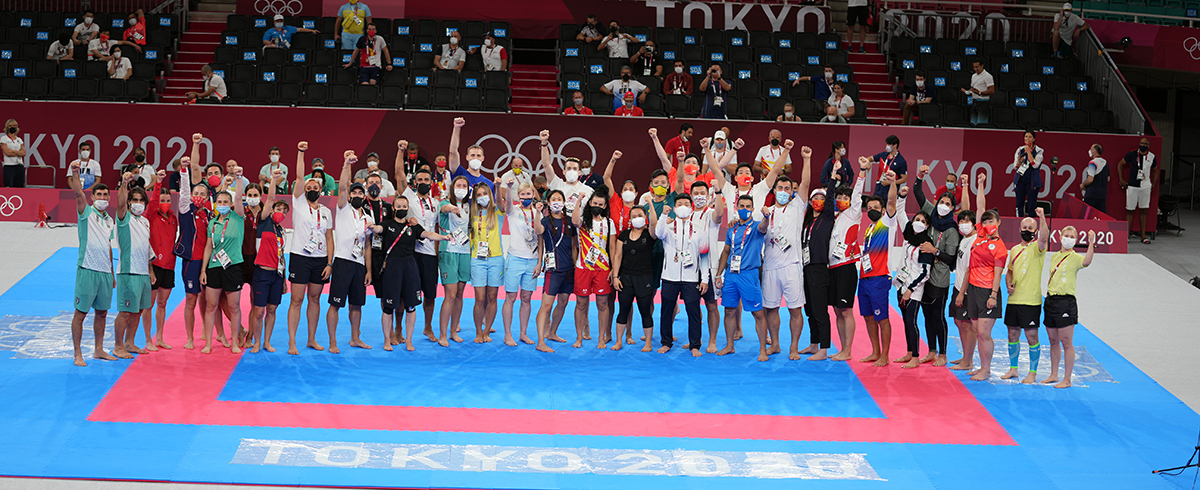
In the late 1950s and early 1960s, karate was introduced to Brazil, but faced much resistance and mistrust from Brazilian authorities. Prejudice against the Japanese martial arts of the time made it difficult for karate to establish itself as a respected and popular sport.However, during the 1970s and 1980s, karate gained popularity thanks to the work of great masters and pioneers such as Ryuzo Watanabe, Massatoshi Nakayama, and Takashi Yamauchi. These men worked tirelessly to spread and develop karate in Brazil and their legacy is still felt today.
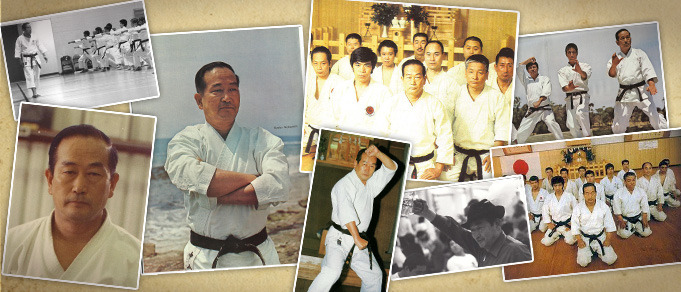
One of the reasons that helped strengthen karate in Brazil was the organization of national and international competitions. These events have not only improved the skill level of this sport but have also elevated it, leading to its acknowledgment and respect from sports authorities and society overall.
With karate being included in the Tokyo Olympic Games, the hope is that the sport will attract even more attention and popularity in Brazil and worldwide. This can bring in new athletes and fans, as well as assist in pushing karate further as a valued and enjoyed sport globally.
The journey of karate in Brazil is a tale of persistence, endurance, and achievement. Due to the hard work and dedication of many teachers, students, and fans, karate has become a significant part of Brazil’s sports and cultural landscape. Its inclusion in the Olympic Games is merely one indication of how karate has grown to be a sport with global importance.
With an increasing number of participants around the globe and its presence in the Olympic Games, karate is now more than ever in the spotlight. If you are a karate lover or seeking a new physical activity, karate is an excellent choice for building strength, stamina, flexibility, and self-esteem. Give karate a try and become a part of the story of this intriguing sport!
Over time
Sensei Tulio Karam is creating an e-book named “Karate: From Okinawa to the World,” which will soon be available on our platform.
This book provides a comprehensive view into the history, development, and impact of Karate. From its origins in Okinawa, the book shows how Karate spread to Japan and then to the rest of the world, becoming a well-known martial art.
The book also looks into the philosophy and principles behind karate, as well as the various styles and schools associated with it. Additionally, it offers an overview of karate training, techniques, and competitions.
Finally, the e-book discusses the current popularity and impact of Karate in modern society, stressing its importance and relevance in global culture and history. This e-book is a worthwhile read for anyone interested in gaining more knowledge about Karate and its effects on society.
Conclusion
The tale of Karate in Brazil is a proof of determination, commitment, and cultural connection. From its introduction by Japanese masters to the development of dojos and local groups, Karate has faced many challenges to become a respected martial art and competitive sport. Early practitioners dealt with challenges like lack of resources, cultural differences, and the need to adjust traditional teachings to a new setting. Despite these issues, the discipline, respect, and strength found in Karate enabled it to thrive, laying a solid foundation for future generations of Brazilian martial artists.
Recognition of Karate as an Olympic sport in 2021 was a crucial turning point for its worldwide and national importance. This achievement not only emphasized the skill and competitive sides of the sport but also raised its cultural and philosophical values. Brazilian Karate practitioners received more attention, and the sport’s ideals of discipline, focus, and respect began to reach larger groups of people. The Olympic status also encouraged dojos, teachers, and athletes to further enhance training programs, raise competitive standards, and inspire youth involvement, reinforcing Karate’s place in Brazil’s sports scene.
The story of Karate in Brazil shows a path of ongoing learning and adaptation. Both masters and students have played a role in shaping a practice that combines physical ability, mental resilience, and ethical values. Dojos became hubs of not just training but also cultural preservation, sharing the ideas of Karate while promoting community, respect, and individual growth.
In summary, the development of Karate in Brazil illustrates how a martial art can move beyond its roots to serve as a source of national pride, global significance, and personal change. By facing challenges, honoring tradition, and adjusting to contemporary situations, Karate in Brazil has established its position as a lively, respected, and motivating discipline that continues to influence lives and communities throughout the nation.
latest posts published
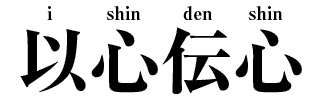
What does the name of our dojo “ishin denshin” mean?

Water: the elixir of life and the secret to optimal hydration
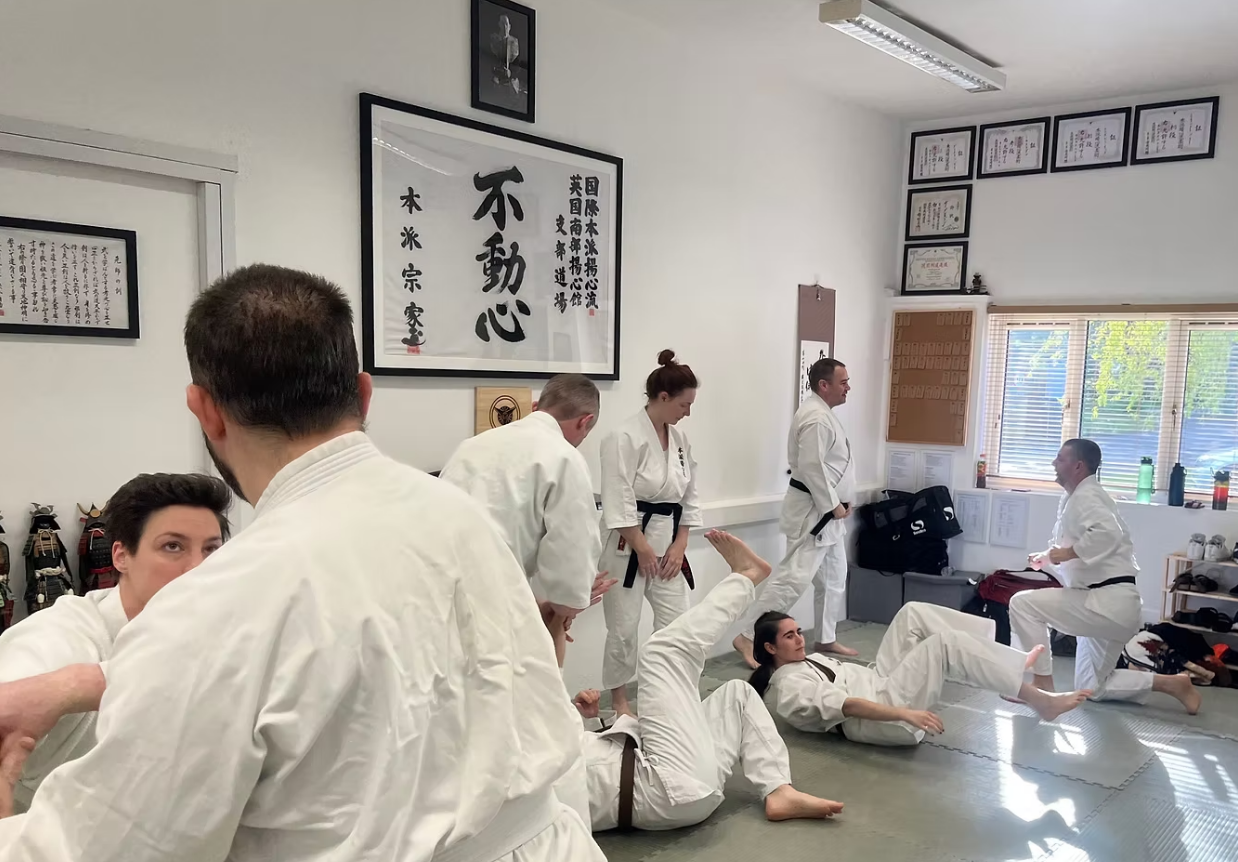
Sempai, Kohai and Dohai: respect for the hierarchical system
What is a dojo (道場)? | At the origins of the word
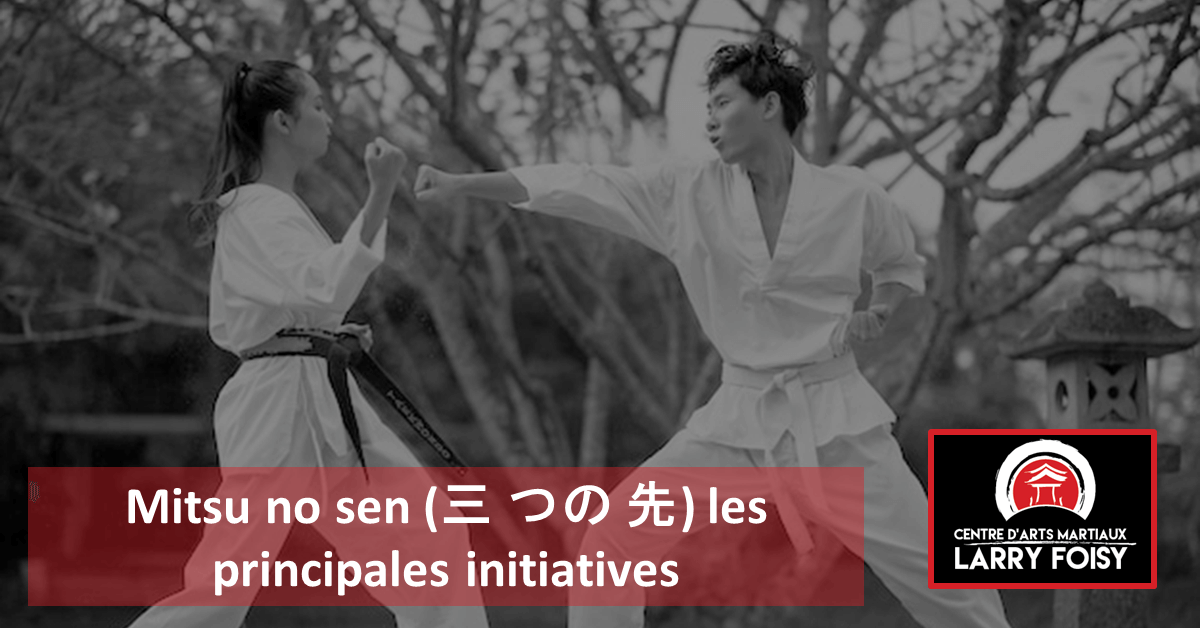
Mitsu no sen (three points) les trois principals initiatives
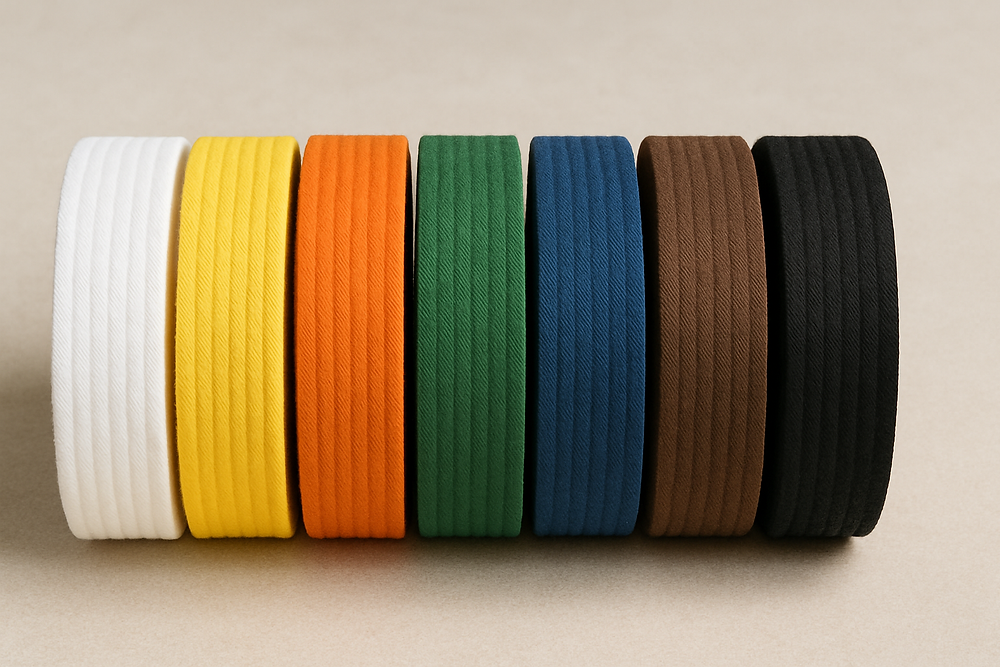
Karate Belts: Understanding the Order of Ranks
The concept of “Giri”, a profound moral commitment
Kyokun Martial – In karate there is no first attack.
The social economy at the heart of our martial arts center
