

One of the main benefits of martial arts is the ability to develop good leaders, identifying leadership characteristics in ourselves is an arduous path, there is no point in just having talent for this, you need to develop these skills and this will often take you out of your comfort zone, you will have to learn to manage emotions, fears, anxiety and criticism.
On the Metanoia podcast, Andrea Lorio comments on three sentences by Joe Rogan, martial artist, comedian, UFC presenter and now host of the most listened to podcast in the world, The Joe Rogan Experience. He talks about ways to find happiness in discomfort and martial arts leadership lessons that help you stay in control when things don’t go as planned.
Being a leader can be uncomfortable – AYAM Martial Arts
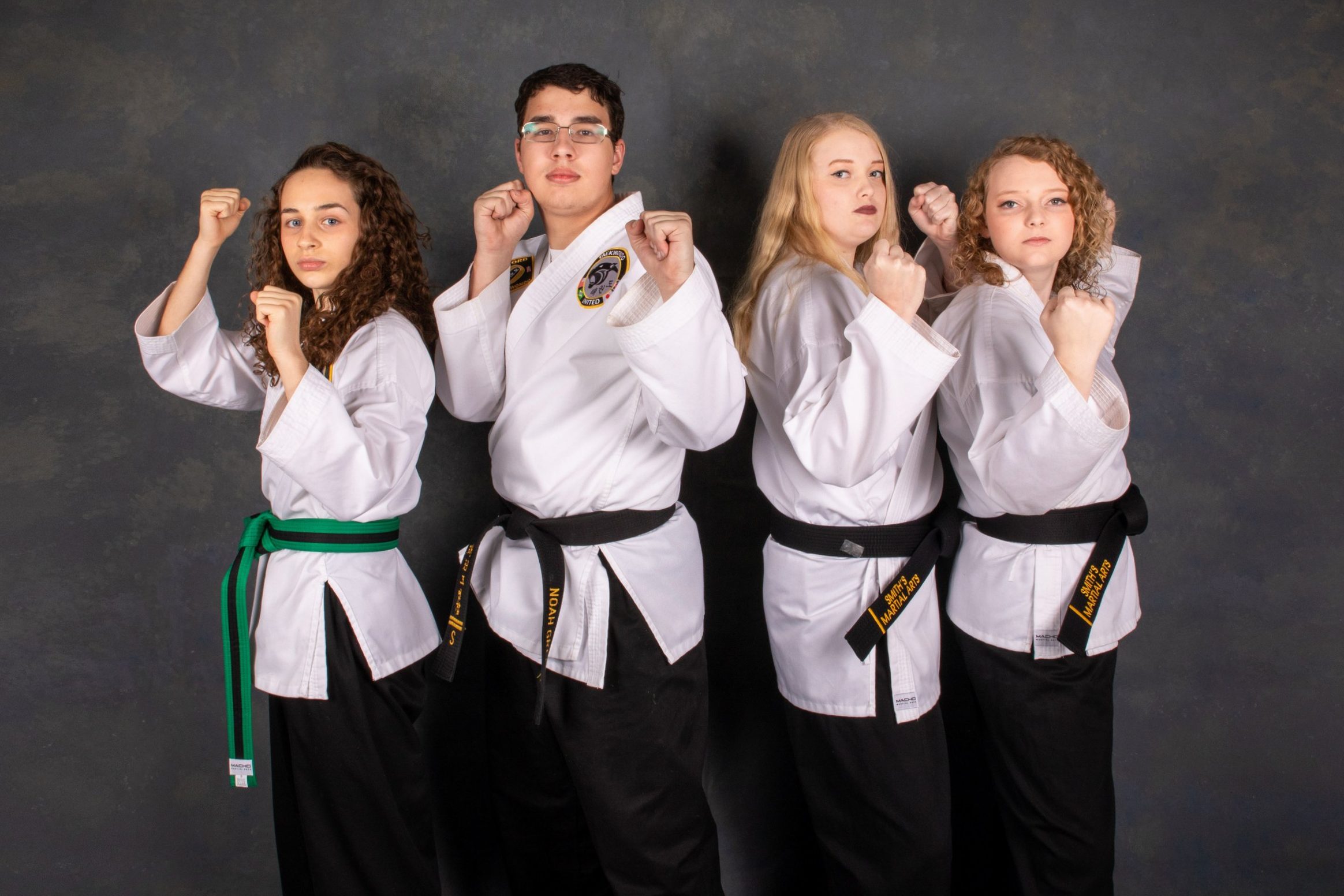
When everything goes well, we feel comfortable with the routine that has been established and we carry out our activities without too many worries. But if you want to be a leader the comparison is fair and conformity cannot create a nest, a good leader is resilient and has a mind focused on evolution. Joe Rogan says most people aren’t prepared to lead because they don’t know how to deal with uncomfortable situations. What is challenging is scary, difficult to achieve and often unpleasant, but when we challenge ourselves to face hostile scenarios what is expected is personal transformation.
Martial art, with its ancient philosophy, does not only teach physical combat, but brings to light teachings that empower us and prepare us to overcome life’s obstacles. Strategic thinking, adaptability, respect for the opponent and self-control are characteristics of well-founded leadership, Andrea Lorio highlights ten attributes necessary for a good leader developed through martial arts in your life:
1. Focus: carry out the movements step by step and ensure compliance with tasks and rules, having greater awareness of what surrounds you and maintaining concentration on the objectives;
2. Perseverance: because it involves mastering difficult moves and it is inevitable that leaders feel the impact of mistakes and challenges, after all they carry the burden of responsibility, but when things get tough it takes perseverance to motivate and support your team and yourself;
3. Discipline: Because successful leaders follow a very specific code of conduct and must have constant discipline that allows them to put their vision into practice, managing time and resources wisely;
4. Self-confidence: by learning to defend himself, he also transmits security to those he leads;
5. Self-control: martial arts requires you to know and understand your limits to respect yourself and the people around you;
6. To conquer objectives: with each belt graduation the desire to advance, overcome one’s limits and reach the next level is strengthened;
7. Communication: martial arts require the individual to recognize the power of silence and know when, what and how to communicate, this goes beyond the verbal, including the physical and written;
8. I wait: when a specific uniform such as the classic dobok is required, the student must be careful and worry about being clean and presentable, since they will not judge you only for what you say but for how you show yourself;
9. Humility: you are required to fall 7 times and get up 8 times, great leaders are humble because they understand that it is more important to define the scenario than to have 100% control over it, they know that they can fail along the way and that they will have to admit their weaknesses, but they see this as a sign of strength;
10. Respect: obeying the master’s instructions, as you cannot lead others without first being a good leader.
Joe Rogan’s Philosophy: Finding Happiness in Discomfort
On the Metanoia podcast, Andrea Lorio references Joe Rogan’s insights on finding happiness by deliberately seeking out discomfort. This philosophy is deeply rooted in the martial arts experience, where discomfort is a daily prerequisite for growth.
Rogan’s perspective suggests that avoiding discomfort (the natural human tendency) leads to stagnation and a weakened ability to cope with real-life adversity. The martial arts mat, or Dojo, provides a safe, controlled environment to practice this principle:
-
Embracing the «Tap»: In grappling arts like Jiu-Jitsu, the act of tapping out (submitting) is a voluntary acceptance of defeat, pressure, and vulnerability. A leader must have the humility to admit when they are beaten and the discipline to learn from it. Rogan often notes that you can’t lie to yourself on the mat; you must confront your technical and physical limitations.
-
The «Suck» of Conditioning: The most effective physical training often involves enduring periods of intense physical pain or exhaustion. Learning to push through this, maintaining focus and breath control when your body screams stop, builds an unparalleled mental toughness. This is the resource leaders draw on when facing prolonged corporate or organizational crises.
-
The Cold Plunge Analogy: Rogan frequently discusses activities like cold therapy (ice baths). The intense, immediate discomfort is not pleasant, but overcoming the mind’s initial panic builds the capacity to stay calm when subjected to sudden environmental stress. This translates to emotional regulation when things don’t go as planned.
Great leaders bring these good attributes with them, creating and promoting change, so turn your discomfort into a driving force, train your body and mind to drive your projects with determination. Being an exceptional leader is possible and AYAM is here to bring you to this excellence, we are trained and educated in this philosophy that motivates and empowers, we want to share this knowledge with you, but the first step must be yours, schedule a trial lesson now and evolve with us.
latest posts published

What does the name of our dojo “ishin denshin” mean?

Water: the elixir of life and the secret to optimal hydration
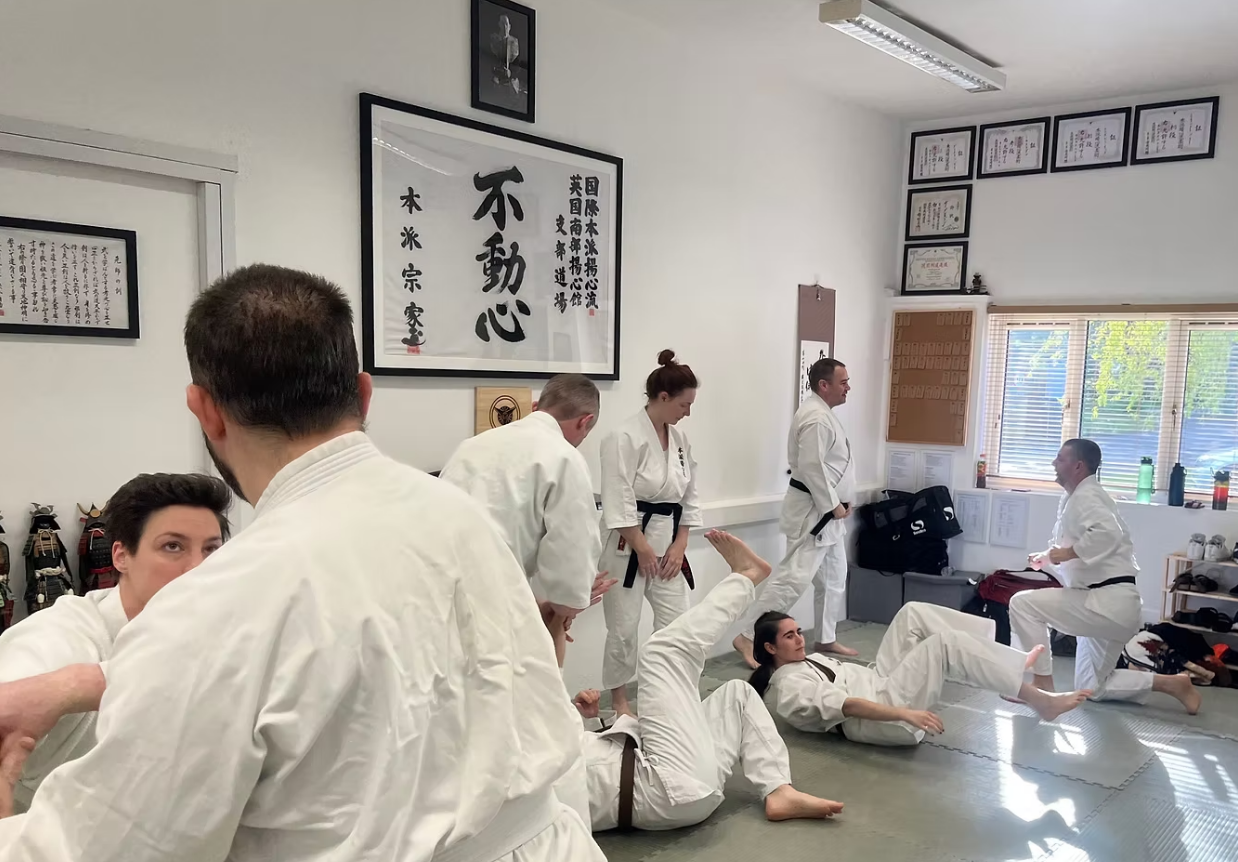
Sempai, Kohai and Dohai: respect for the hierarchical system

What is a dojo (道場)? | At the origins of the word
Mitsu no sen (three points) les trois principals initiatives

Karate Belts: Understanding the Order of Ranks
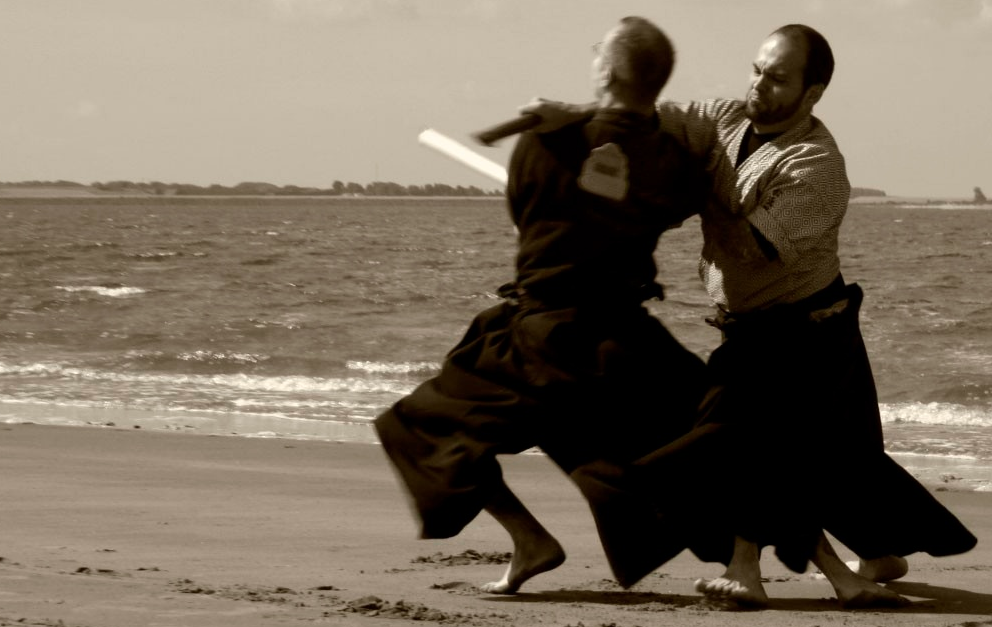
The concept of “Giri”, a profound moral commitment
Kyokun Martial – In karate there is no first attack.
The social economy at the heart of our martial arts center
