
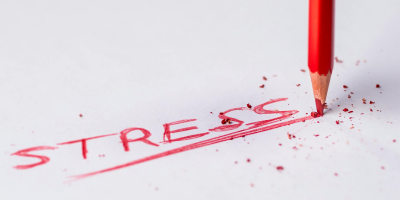
Discover how practicing Aikido can transform your relationship with stress and anxiety through movement, breathing and body awareness.
We live in an increasingly fast-paced world, full of professional, emotional and social pressures. Stress and anxiety have become constant companions for many people, affecting not only mental health but also physical well-being. In this context, practices that unite body and mind have gained importance – and the Aikido It presents itself as a powerful tool for restoring internal balance and promoting serenity.
Aikido is a Japanese martial art which, contrary to what many imagine, does not aim to defeat the opponent, but rather harmonize with it. This means that, in practice, there is no room for aggression or competition. The environment of the Dojo is calm, respectful and welcoming, which in itself helps to reduce the tension of daily life. The philosophy of Aikido is centered self-controlAlready awareness of the present moment Of conscious breathing — all of these elements are scientifically recognized as effective strategies to combat anxiety.
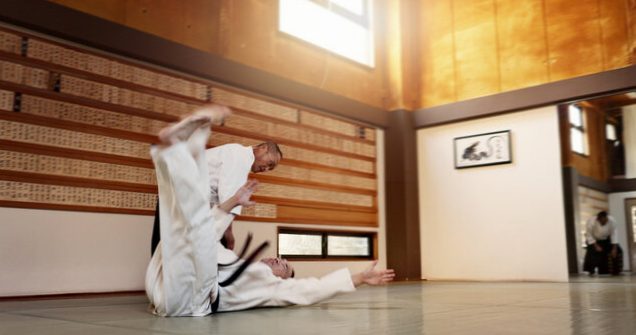
During training, the practitioner is encouraged to focus his or her mind on the body movement and partner’s energyremoving negative thoughts, worries or distractions. This state of presence helps to create a real «mental pause», allowing the nervous system to reduce its activation and return to a state of balance. It also encourages the repetition of circular and fluid movements release of muscle tensionregulating heart rate and improving breathing.
Another fundamental aspect is the construction of the self-confidence. By learning to deal with situations of imbalance on the tatami, the student develops skills that are also reflected outside the Dojo. Constant practice generates a sense of self-mastery, increasing the sense of inner security, one of the main antidotes against anxiety. Additionally, Aikido teaches how to deal with conflicts constructively, which can help with emotional management in stressful everyday situations.
Socializing with other practitioners also plays an important role in relieving stress. The Aikido environment encourages mutual respect, support and empathy, promoting a sense of community and belonging that can be highly therapeutic. In times of isolation and digital hyperconnection, finding a physical space where the attention is focused on presence and real human contact is, in itself, a form of healing.
Unlike passive relaxation methods, Aikido offers a way active and aware in managing anxietyinvolving body and mind in an integrated way. And the best thing: it doesn’t matter your age, physical condition or sports history. Anyone can take up Aikido and experience its benefits.
That’s a very insightful point about the modern need for practices that integrate mind and body to combat stress. Aikido is uniquely suited for this purpose.
Here is a comprehensive answer exploring how Aikido transforms your relationship with stress and anxiety through movement, breathing, and body awareness.
🧘 Aikido: Transforming Stress Through Mind-Body Harmony
We live in an increasingly fast-paced world, full of professional, emotional, and social pressures. Stress and anxiety have become constant companions for many people, affecting not only mental health but also physical well-being. In this context, practices that unite body and mind have gained importance – and Aikido presents itself as a powerful tool for restoring internal balance and promoting serenity.
The practice of Aikido transforms your relationship with stress by changing how your body and mind react to pressure, moving you from a state of resistance to a state of adaptation.
🌬️ The Role of Breathing and Centering
Aikido teaches you to manage pressure by mastering your internal state, starting with breath.
-
Deep, Controlled Breathing: Techniques are often initiated and completed with a controlled exhalation. This focus on diaphragmatic breathing (breathing from the abdomen, or Seika Tanden) directly stimulates the parasympathetic nervous system, which is responsible for the body’s «rest and digest» state. This counteracts the «fight or flight» response triggered by stress.
-
Centering (Seika Tanden): In Aikido, all power and movement originate from the body’s center of gravity, the Tanden. Learning to stay physically centered provides a powerful mental anchor. When an attacker grabs you (a physical stressor), your training teaches you to draw your energy inward and stabilize your posture rather than tensing up. This process is immediately transferable: when a professional or emotional stressor hits, your default response shifts from reactive panic to intentional calm and stability.
🤸♀️ Movement and Body Awareness
Aikido’s unique movements provide a physical antidote to the tension and rigidity associated with anxiety.
-
Releasing Physical Tension: Anxiety often manifests as chronic tension in the neck, shoulders, and jaw. Aikido’s emphasis on fluid, circular movement and relaxation during techniques is a constant process of releasing this unnecessary muscular bracing. Practitioners learn that resisting an opponent’s force with muscle is futile; instead, they must be supple and relaxed to execute the technique effectively.
-
The Lesson of Ukemi (Falling): The practice of falling safely is a direct lesson in resilience. When receiving a throw, the body learns that being completely taken off-balance is not a catastrophe but a temporary state requiring a safe, relaxed, and immediate recovery. Psychologically, this teaches you to accept setbacks and recover quickly in daily life, reducing the fear of failure that often fuels anxiety.
-
Proprioception and Mindfulness: The complexity of Aikido techniques demands complete concentration on the body’s position, balance, and timing in relation to your partner. This intense focus acts as an active, moving meditation, forcing your mind away from anxious thoughts and grounding it entirely in the present moment. This heightened body awareness allows you to identify and address physical signs of stress before they escalate.
Conclusion
Practicing Aikido offers a profound way to transform one’s relationship with stress and anxiety, combining movement, breathing, and heightened body awareness. In today’s fast-paced world, where professional, social, and emotional pressures weigh heavily on our minds, Aikido provides a sanctuary for balance and inner calm. Its philosophy emphasizes harmony rather than conflict, teaching practitioners to align with challenges instead of resisting them. By fostering a non-aggressive, non-competitive environment, the dojo itself becomes a space for mental clarity, relaxation, and personal growth.
The practice encourages self-control, mindfulness, and conscious breathing—tools scientifically proven to alleviate anxiety and promote overall well-being. Each movement in Aikido is deliberate and flowing, helping practitioners release tension, increase body awareness, and cultivate a sense of calm that extends beyond the dojo. Over time, students learn to respond to stress with clarity rather than reactivity, developing resilience that benefits both mind and body.
Beyond its physical and mental benefits, Aikido teaches a philosophy of presence and harmony that can be applied to everyday life. By practicing awareness and conscious engagement with each moment, individuals become better equipped to handle challenges without fear or aggression. The principles of balance, flow, and centeredness in Aikido encourage a holistic approach to life, where internal stability guides external actions.
Ultimately, Aikido is more than a martial art; it is a path toward mental and emotional equilibrium. It empowers practitioners to navigate the pressures of modern life with serenity, self-awareness, and resilience. Through its unique blend of physical practice and mindful philosophy, Aikido provides an effective, sustainable, and deeply enriching method to combat stress and anxiety while cultivating harmony within oneself and in interactions with the world.
latest posts published
What does the name of our dojo “ishin denshin” mean?

Water: the elixir of life and the secret to optimal hydration
Sempai, Kohai and Dohai: respect for the hierarchical system
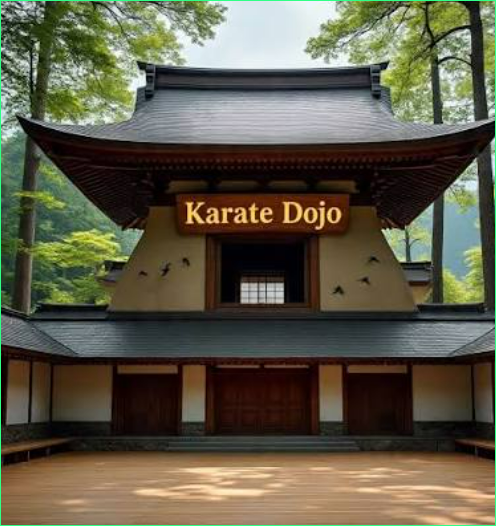
What is a dojo (道場)? | At the origins of the word
Mitsu no sen (three points) les trois principals initiatives

Karate Belts: Understanding the Order of Ranks
The concept of “Giri”, a profound moral commitment
Kyokun Martial – In karate there is no first attack.
The social economy at the heart of our martial arts center
