
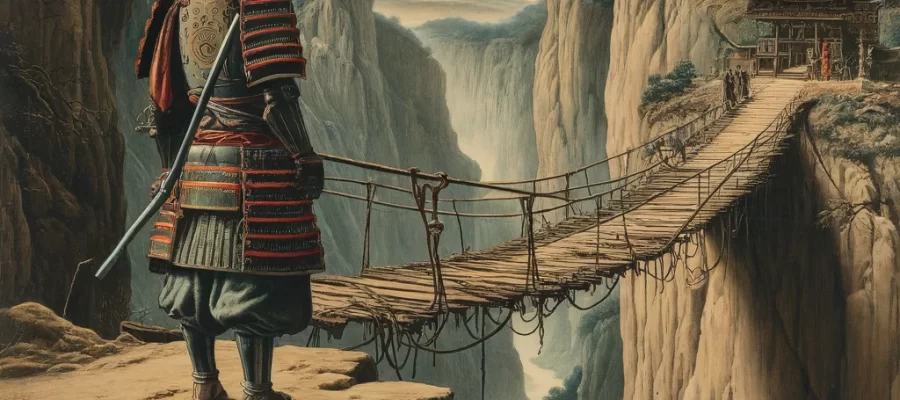
Life is a complicated journey in many ways, made up of times of happiness, difficulties, successes, and failures. This idea is not unique to today’s world, and since the beginning of humanity, we have faced the challenge of handling changes.
Knowing when it is the correct moment to change or let go of something is an important skill for a happy and meaningful life. It has become more common for us to hear about the importance of taking time to think about how we are managing or even accepting changes in our lives, and we often question if we are making the best choice to change now and in the right manner.
Different thinkers and philosophers throughout history, from Ecclesiastes to Confucius, Sun Tzu, Musashi, and others, provide us with important lessons on how to deal with these periods of change.
King Solomon, in Ecclesiastes 3: Time for everything
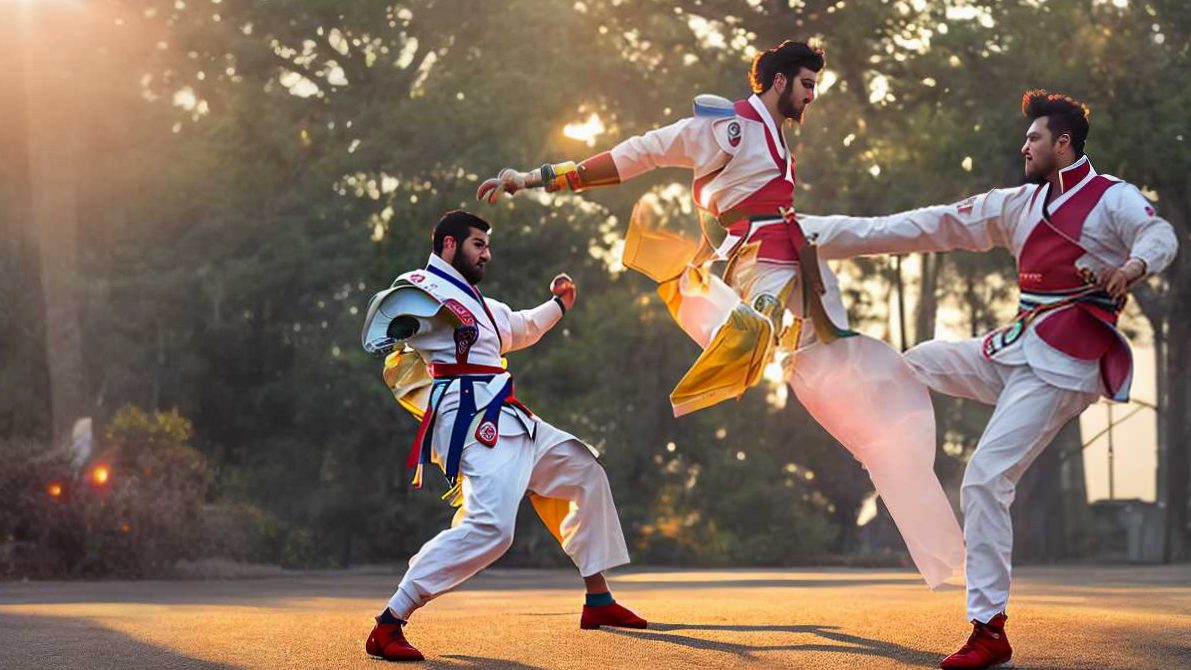
The Book of Ecclesiastes, part of the wisdom texts of the Bible, offers a timeless perspective on the cycles of life. In Ecclesiastes 3:1-8 we read that “there is a time for every purpose under heaven.” This passage reminds us that each stage of life has its value and purpose. There is a time to be born and a time to die; a time to plant and a time to uproot what has been planted. Embracing these natural cycles teaches us to embrace both the beginning and the end with equal grace.
Confucius: the virtue of balance and wisdom
Confucius, the great Chinese philosopher, offers us a balanced and ethical approach to life. He taught the importance of self-knowledge and continuous reflection. “Only the wisest and the most foolish never change,” he said, emphasizing the need for adaptability. Confucius’ concept of following the “Middle Way” encourages us to avoid extremes and seek balance. Knowing when to give up or change course is a manifestation of wisdom and virtue.
Musashi and the art of the sword: adaptability and detachment
Miyamoto Musashi, in his “Go Rin No Sho” (Book of Five Rings), emphasizes the importance of adaptability and detachment. A warrior must be flexible and able to change his strategies depending on the situation. This principle is applicable to life: we must be ready to change our plans and, when necessary, abandon what no longer serves us. Letting go of what is superfluous and focusing on what is essential is a powerful lesson that allows us to move forward with ease.
Sun Tzu: The value of strategic retreat
Sun Tzu’s “The Art of War,” one of the most influential texts on strategy, teaches that sometimes the best strategy is to avoid battle. Sun Tzu emphasizes the importance of strategic retreat, of knowing when it is prudent to surrender to preserve resources and seek future advantage. Applying this to everyday life, we learn that giving up on a path may not be a sign of weakness, but rather a wise and strategic decision.
Heraclitus: the constant of change
Heraclitus, the pre-Socratic Greek philosopher, is famous for his doctrine that “everything flows” (panta rhei). He believed that change was the only constant in the universe and that reality was in a state of continuous flux. Heraclitus teaches us that change is inevitable and natural. Accepting this reality allows us to live more harmoniously with the flow of life, embracing transformations and adapting to new circumstances.
Epictetus: acceptance and serenity
Epictetus, a major Stoic philosopher, emphasized the importance of accepting the things we cannot control and focusing on what is within our power. Stoic philosophy teaches us to accept external events with serenity and to focus our efforts on our reactions and attitudes. By giving up trying to control the uncontrollable, we can find inner peace and the strength to change what is within our power.
Carl Jung: The process of individuation
Carl Jung, the famous psychologist and psychoanalyst, talked about the process of individuation, which is the development of the individual self, differentiating itself from collective conformity. Jung teaches us that inner change and personal development are crucial to achieving individuation. This process may require letting go of old patterns of behavior and beliefs that do not reflect our true selves.
Buddha: The Middle Way and Detachment
Siddhartha Gautama, known as the Buddha, taught the Middle Way, which avoids the extremes of hedonism and self-mortification, and emphasized detachment as a means to achieving enlightenment. The Buddha’s teachings encourage us to practice detachment and find balance in our lives. Change and letting go are necessary parts of this process of letting go of what causes suffering and following a path of wisdom and compassion.
Acceptance of the present moment is a recurring theme in all of these ancient wisdoms. Accepting where we are now is the first step in making wise decisions about change and letting go. We often resist change out of fear of the unknown or attachment to the comfort of the familiar. However, true peace and growth comes from accepting the present and being willing to act on the needs of the moment.
Understanding and accepting moments of change and renunciation is an art that we can cultivate throughout our lives. By learning from Confucius, Musashi, Sun Tzu, and other thinkers, we can develop the ability to adapt, let go of what is unnecessary, step back strategically, and seek balance and virtue in all our actions. Acceptance of the present moment frees us from fear and resistance, allowing us to move forward with clarity and determination.
In the journey of life, we embrace each phase with wisdom and courage, always ready to change or give up when necessary, to move forward in the best possible way!
Conclusion
Life, in its ongoing movement, encourages us to grow, adjust, and sometimes release. Knowing when and how to welcome change is one of the best signs of wisdom we can develop. As wise minds and thinkers have emphasized throughout ages — from Ecclesiastes’ insight into the right time for every task in the world, to Confucius’ call for balance and harmony, and Musashi’s skill in flexibility in “The Book of Five Rings” — change is not just a moment but a natural part of living.
Each ending holds the promise of a new start, and every difficulty opens pathways to improvement. Change, though often uncomfortable, is the place where knowledge, growth, and self-awareness thrive. However, understanding is crucial: knowing when to keep going and when to let go requires listening closely to both logic and intuition. This inner balance allows us to act with purpose instead of fear, ensuring our decisions align with intention rather than impulse.
In today’s quick-moving world, taking a moment to think about where we are and where we are headed has become more important than ever. The wisdom of our ancestors teaches us that the journey of change is not about control, but about harmony — learning to go with life’s rhythms instead of fighting against them.
In the end, change is neither a foe nor a savior; it is the core of life itself. By accepting change with grace and bravery, we open ourselves to the fullness of living — to happiness and sadness, triumph and loss — and through this, we find the calm strength that helps us move ahead, refreshed and at peace with the ever-changing essence of our path.
latest posts published
What does the name of our dojo “ishin denshin” mean?

Water: the elixir of life and the secret to optimal hydration
Sempai, Kohai and Dohai: respect for the hierarchical system
What is a dojo (道場)? | At the origins of the word
Mitsu no sen (three points) les trois principals initiatives

Karate Belts: Understanding the Order of Ranks
The concept of “Giri”, a profound moral commitment

Kyokun Martial – In karate there is no first attack.
The social economy at the heart of our martial arts center
