
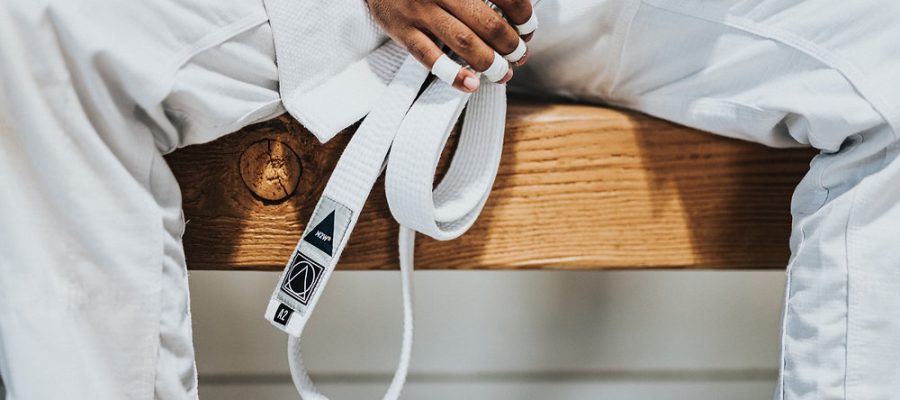
Shotokan karate is a Japanese fighting style created by master Gichin Funakoshi at the start of the 20th century. It is a fighting style that focuses on skill, physical power, coordination and self-control. Shotokan karate is enjoyed by millions of individuals worldwide and has become especially favored in France since the 1970s.
As a classic karate school, in this article we will share the key steps to begin your journey with Shotokan karate. If you wish to start learning this fighting style, you are in the perfect spot.
Step 1: Find a karate club
Logical but necessary, the first step to starting Shotokan Karate is to find a club near you. To do this, the Internet is a valuable tool. You can carry out an online search on search engines or directly consult the list of clubs of the French Federation of Karate and Associated Disciplines.
The It is important to find a Karate club that has a good reputation and is suitable for you. In this sense, online reviews and trial lessons are good indicators for evaluating a school.
Phase n°2: The karateka’s equipment
Once you’ve found your Karate club, it’s time to equip yourself. The traditional dress for practicing shotokan karate is the karate-gi, also called «kimono». You can purchase a karategi at most martial arts and sporting goods stores.
The choice of your karate-gi will depend on the type of training: combat or kata. Opt for a rather flexible jacket and trousers if you do combat and a more rigid outfit if you do kata. We will explain how to choose your karate-gi in a future article.
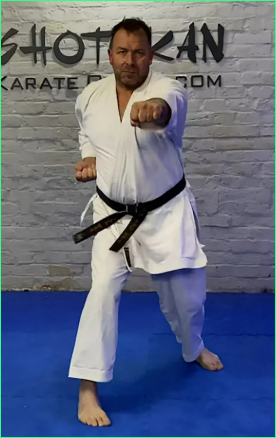
Step 3: Learn basic techniques and movements
Now that you’ve chosen your Karate club, it’s time to start learning. You will soon discover that Shotokan Karate is based on specific movements and positions. You’ll start by learning basic techniques, such as punches, kicks, blocks and dodges. Your teacher will show you how to correctly perform each technique.
Karate is a sport that requires rigor and discipline. Only time and work will allow you to progress and feel more confident in your practice. Karate has the particularity of being a physical but also mental sport.
Step 4: Work on your fitness
Shotokan Karate is a sport accessible to all but which requires good physical condition. You will have to work on your strength, flexibility and endurance to be successful in this sport. Your teacher will give you exercises to do to improve your physical and technical condition.
By following these essential steps, you will be well on your way to successfully practicing Shotokan Karate. Remember that regular practice, perseverance and patience are the key to progressing in this challenging sport.
You have shared the basics of an amazing martial art! As a local tip, if you want to train in your area, Guadalajara has many real dojos where you can practice. A closer look at Shotokan shows its deep history and main ideas:
The Philosophy of Gichin Funakoshi
Master Funakoshi did not give his style a name at first; his students named their training place the «Shotokan,» which means «the House of Shoto.» «Shoto» was Funakoshi’s nickname for his poems, meaning «pine waves.»
Perfection of Character: Funakoshi’s main goal was not to win or lose, but to develop one’s character. He created the 20 guiding principles (Niju Kun) to promote lifelong humility, respect, and discipline.
Empty Hand: Funakoshi also changed the kanji for «karate» to signify «empty hand» (空手) instead of «Chinese hand,» connecting it with Japanese Zen beliefs.
Conclusion
Beginning the journey in Shotokan karate is about much more than learning punches, kicks, and defensive techniques. It is the first step toward developing discipline, confidence, respect, and a lifelong commitment to personal growth. Founded on the teachings of Master Gichin Funakoshi, Shotokan karate continues to inspire practitioners around the world because it combines physical training with strong moral values, creating a martial art that benefits both the body and the mind.
Every beginner starts from the same place, regardless of age, fitness level, or previous experience. The first classes introduce fundamental stances, basic strikes, blocks, and movement patterns that form the foundation for everything that follows. These basics may appear simple, but they are essential for building proper technique, balance, coordination, and body awareness. As students progress, they discover that true improvement comes through patience, repetition, and consistent practice rather than quick results.
One of the greatest strengths of Shotokan karate is that it offers something valuable for everyone. Children learn focus, self-discipline, and respect for others. Teenagers gain confidence and perseverance while developing healthy physical habits. Adults find an effective way to improve fitness, reduce stress, and challenge themselves mentally and physically. Regardless of a student’s goals, the principles of Shotokan encourage continuous self-improvement rather than competition with others.
Training also extends beyond physical ability. Respect for instructors, training partners, and dojo etiquette teaches humility and responsibility. Students learn that karate is not about proving superiority but about becoming a better version of themselves. Every class presents opportunities to strengthen character, overcome obstacles, and develop the resilience needed to face challenges both inside and outside the dojo.
latest posts published
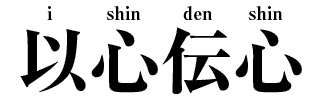
What does the name of our dojo “ishin denshin” mean?

Water: the elixir of life and the secret to optimal hydration
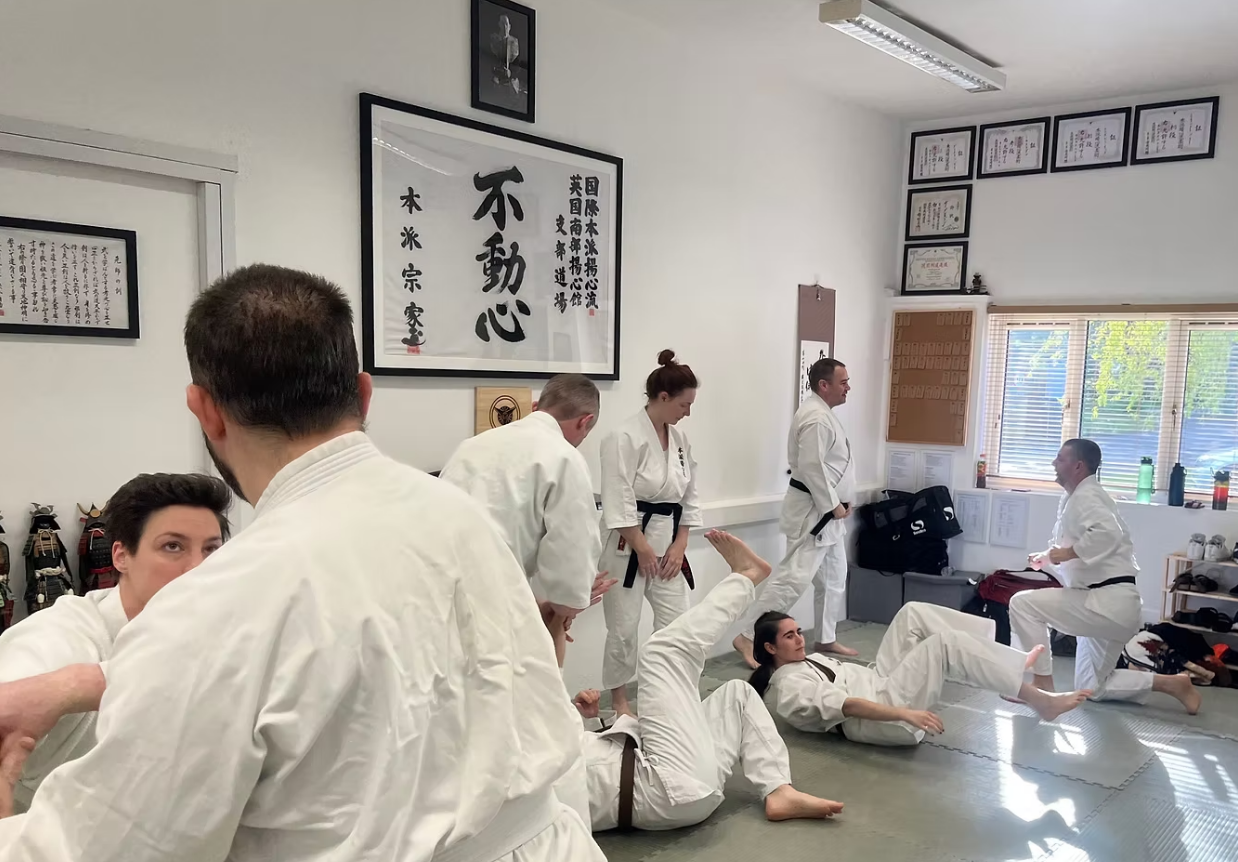
Sempai, Kohai and Dohai: respect for the hierarchical system
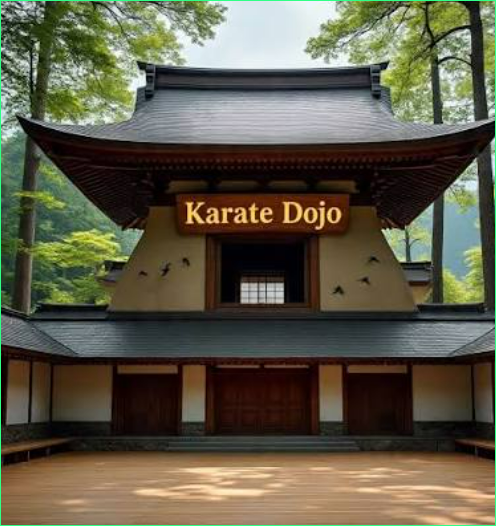
What is a dojo (道場)? | At the origins of the word
Mitsu no sen (three points) les trois principals initiatives
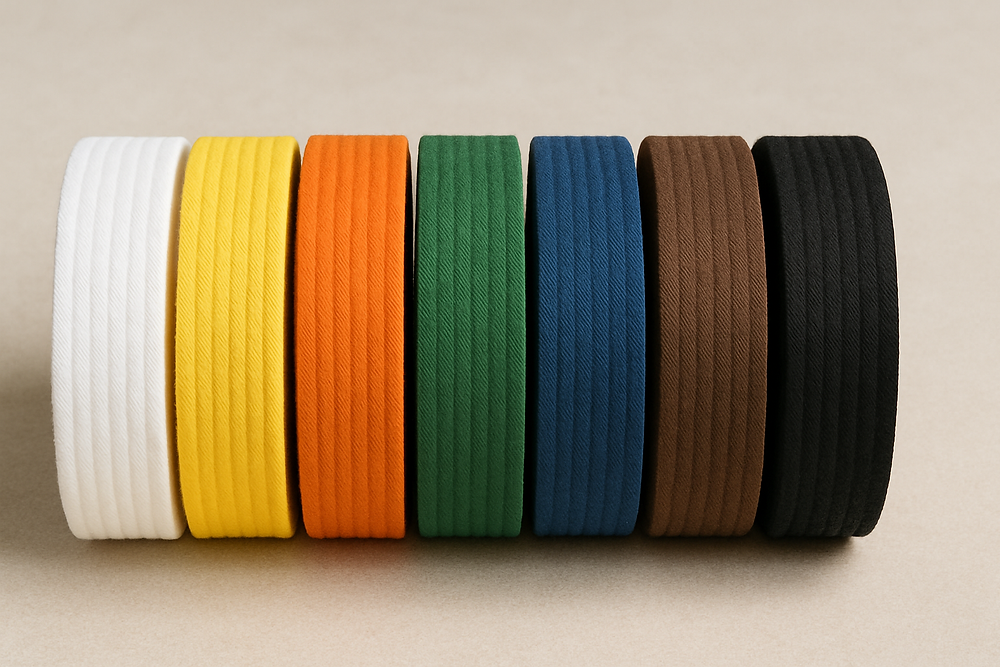
Karate Belts: Understanding the Order of Ranks
The concept of “Giri”, a profound moral commitment
Kyokun Martial – In karate there is no first attack.
The social economy at the heart of our martial arts center
