
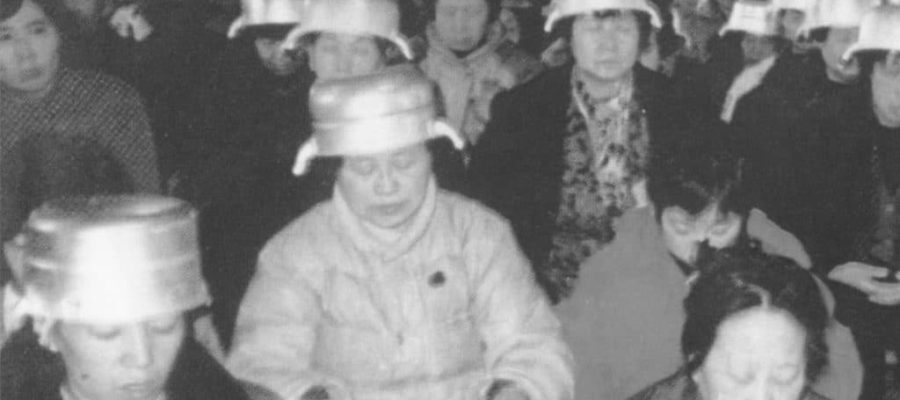
Thus, with the Cultural Revolution, we are also witnessing in China a phenomenon of reinvention or invention of some traditions linked to energetic and somatic practices, which originate in ancient health practices, both Buddhist and Taoist (Neikong, daoyinetc.). They are recognized as a state therapeutic practice under the modern name of Qigong, institutes and clinics dedicated to scientific research are founded – which is good, and along with this charlatans inevitably also appear. And this is also because, in a world so devoid of connection, of spirit, people need to believe in something, especially when they suffer physically and at all levels… And so, in the 80s – 90s, too many self-styled «masters» appeared, partly also supported by the State, because it is something extremely profitable and the money comes from both Chinese and foreigners…
Qigong Tricks Straight From China.
In the photo – one of the schools of Qigong from China who explains that by meditating with a metal pot on your head, the energy is amplified like in an antenna, and hence the healing it contains, telepathy and more…
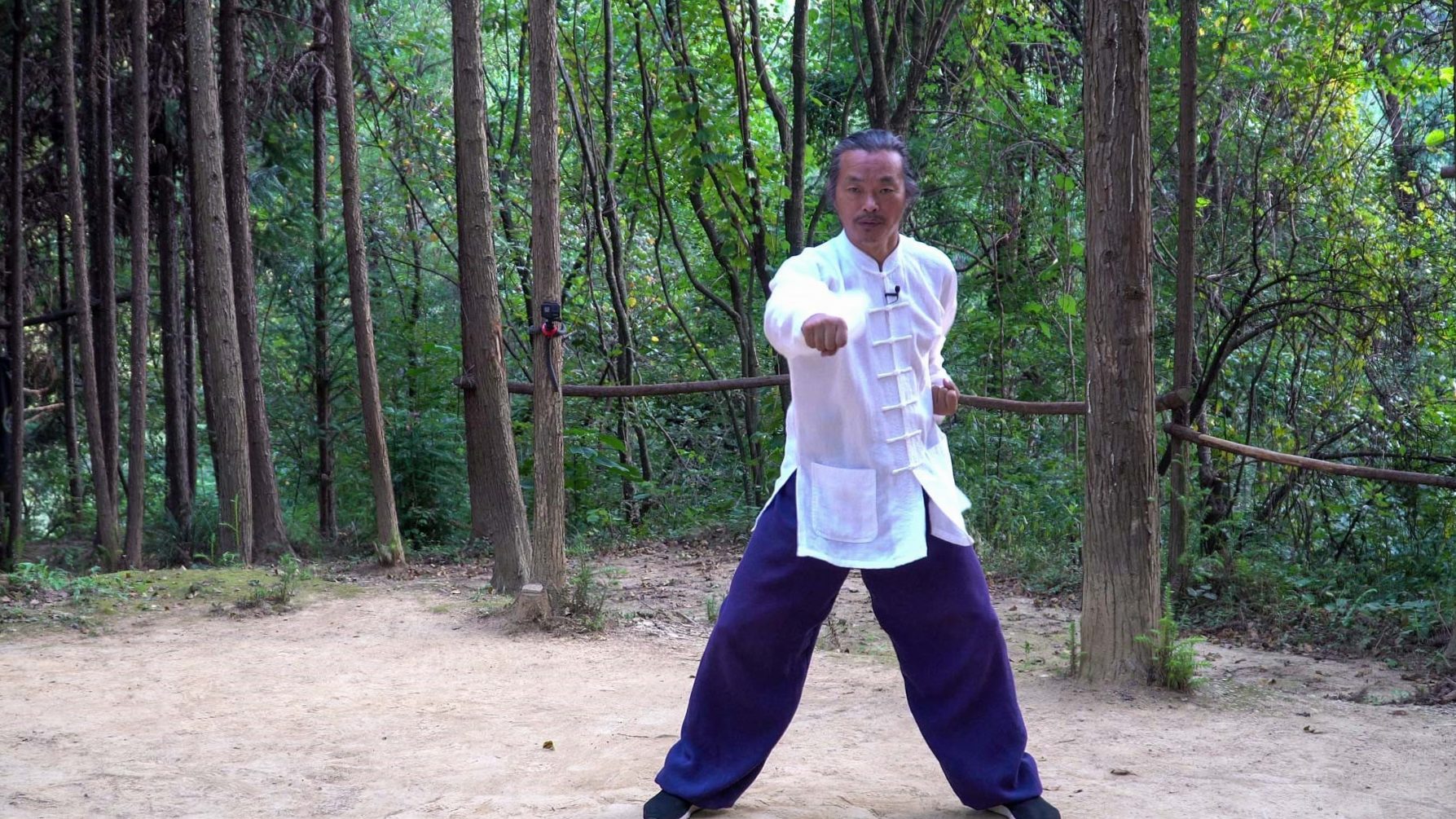
And then it got to extreme cases like that Falun Gonga group whose founder was a dissident settled in Canada and from there taught Qigong techniques for free, always accompanied by a harsh criticism of the communist system. As a result, in some cities the number of Falun Gong practitioners has exceeded the number of ruling party members! Furthermore, street demonstrations, etc. In other words, practice Qigong it became a vehicle of propaganda as well as resistance. The response was not long in coming, so the movement was banned and practitioners were imprisoned but maintained as a living organ bank, for foreigners interested in low-cost transplants!! No, the other Qigong groups did not suffer because they did not alchemize their internal energies with politics…
And I’ll continue with the examples, but the idea was to become responsible and as aware as possible of our power, of responsibility over our own lives, of verifying what we are told by what we hear. Have a conscience as alive as possible and don’t just go with the flow without passing it through your own conscience. And when it’s complicated to understand it, the body can help us. And a well-done Qigong can help us establish this bridge of connection with the body…
If you want to try with us, you can do it on Taiji and QiGong – Bucharest every Friday from 7pm, at the Judo room of the «Mircea Eliade» high school, in Splaiul Independentei 315-317.
Conclusion
The story of Qigong’s modern evolution reflects the deep human need to reconnect with meaning, identity, and inner balance after long periods of cultural suppression and material struggle. Centuries of occupation, political upheaval, and ideological control left the Chinese people searching for something beyond survival—something that could restore the fractured relationship between body, mind, and spirit. In this search, the revival and reinvention of traditional energetic practices like Qigong became not only a form of healing but also an act of cultural remembrance.
Yet, as with many spiritual or therapeutic movements reborn in modern times, the purity of intention was often challenged by material interests. The state’s promotion of Qigong as a scientific and therapeutic discipline helped legitimize it and opened the door for valuable research into ancient wisdom. However, it also gave rise to a wave of commercialization and self-proclaimed “masters,” eager to capitalize on the growing desire for healing and spirituality. This duality—between genuine seekers of balance and those exploiting belief—reveals the vulnerability of a society yearning for reconnection after decades of spiritual void.
Still, beneath the noise and false promises lies something undeniably profound: the resilience of human culture. Despite manipulation, Qigong continues to embody the timeless principles of harmony, energy, and mindfulness that have guided generations in both Taoist and Buddhist traditions. It stands as proof that no matter how much a society changes, its essence—its longing for health, unity, and transcendence—can never be completely erased.
In the end, the modern journey of Qigong is both a warning and a hope: a reminder that spiritual revival must be guided by authenticity, humility, and understanding. Only then can ancient wisdom truly serve humanity, healing not just the body, but the collective spirit that seeks to remember who it is.
latest posts published
What does the name of our dojo “ishin denshin” mean?

Water: the elixir of life and the secret to optimal hydration
Sempai, Kohai and Dohai: respect for the hierarchical system
What is a dojo (道場)? | At the origins of the word
Mitsu no sen (three points) les trois principals initiatives
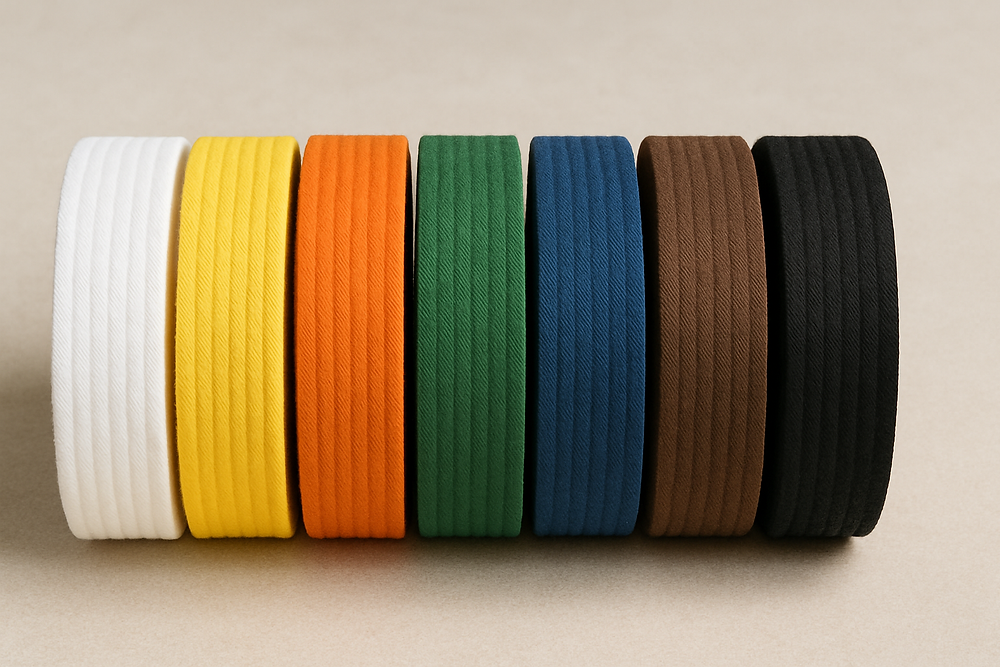
Karate Belts: Understanding the Order of Ranks
The concept of “Giri”, a profound moral commitment
Kyokun Martial – In karate there is no first attack.
The social economy at the heart of our martial arts center
