
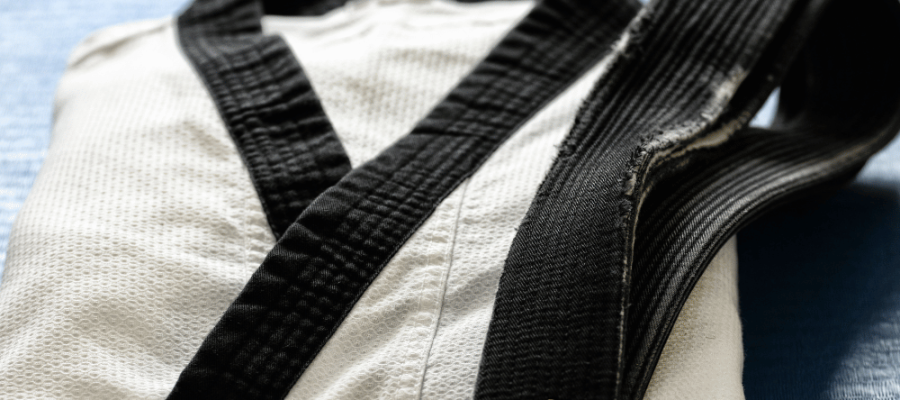
First and foremost, Taekwondo is a martial art that values discipline and respect. These values are taught from the beginning of practice and are fundamental to successful learning. In this article we will explore three reasons why discipline and respect in Taekwondo can transform your life.
Discipline
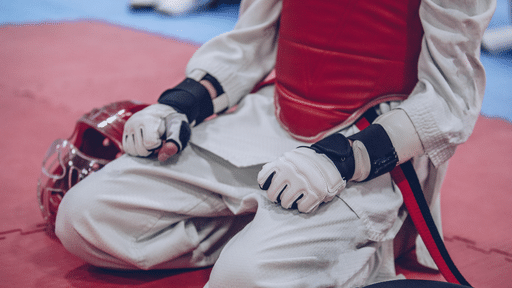
Furthermore, discipline is one of the most important values in the practice of Taekwondo. It is necessary for the evolution of the professional and for the achievement of set objectives. In practice, discipline is reflected in habits such as punctuality, commitment to lessons and the effort to overcome one’s limits. Additionally, the discipline gained through Taekwondo can be applied in other areas of life, such as work or school.
Respect
In this sense, respect is one of the fundamental values in Taekwondo. It is taught from the first day of class and is applied in all activities. Respect is important for group coexistence and successful learning. Furthermore, the practice of respect can be transferred to other areas of life, such as interpersonal relationships and coexistence in society.
Learn to deal with frustrations and challenges
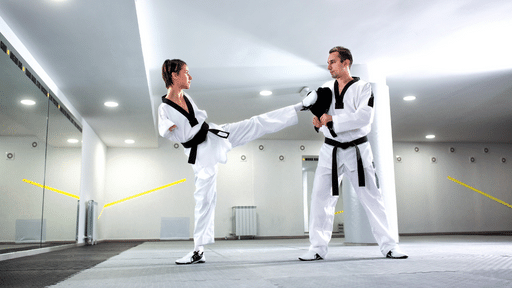
Despite this, practicing Taekwondo requires perseverance and determination. The learning process can be challenging and it is common to face moments of frustration. However, discipline and respect are values that help the professional face these moments and overcome challenges. Through the practice of Taekwondo it is possible to develop the ability to deal with pressure and find solutions to problems.
Values
Finally, discipline and respect are fundamental values in the practice of Taekwondo. In addition to helping in the learning process, these values can transform the practitioner’s life, contributing to the development of positive habits and coexistence in society. Therefore, if you are looking for an activity that can contribute to your personal development, Taekwondo could be the right choice. Start practicing now and discover how discipline and respect can transform your life!
The Power of Discipline and Respect in Taekwondo
First and foremost, Taekwondo is not just about kicks and strikes — it is a martial art that deeply values discipline and respect. These two principles are at the heart of every class, guiding practitioners not only in their physical training but also in their personal growth and interactions outside the dojo. From the very first lesson, students learn that true mastery of Taekwondo comes from mastering the mind and spirit as much as the body.
In this article, we will explore three key reasons why discipline and respect in Taekwondo can truly transform your life:
1. Building Self-Control and Inner Strength
Discipline is one of the first lessons every Taekwondo practitioner learns. The repetition of movements, the precision of forms (poomsae), and the patience required to improve technique all cultivate self-control. Over time, students learn to overcome frustration, stay focused, and persist even when faced with challenges. This mindset extends far beyond training — it helps individuals stay calm and determined in their daily lives, whether at work, school, or in personal relationships.
2. Fostering Mutual Respect and Humility
Respect is the foundation of all martial arts, and in Taekwondo, it is expressed in every bow, every greeting, and every interaction between teacher and student. Practitioners learn to respect their instructors, their training partners, and even their opponents. This constant practice of humility nurtures empathy and understanding, reminding students that progress comes not from competition, but from cooperation and shared learning.
3. Transforming Mindset and Way of Life
The combination of discipline and respect in Taekwondo leads to a profound personal transformation. Practitioners develop a sense of purpose, responsibility, and balance. They begin to see that success in life — just like in martial arts — requires consistency, patience, and respect for others. Taekwondo becomes more than just a sport; it evolves into a way of life that shapes character, strengthens willpower, and promotes harmony between body, mind, and spirit.
Conclusion
Discipline and respect are not just guidelines to follow in Taekwondo — they are valuable lessons that help each participant grow into a better person. With regular practice, Taekwondo shows us how to act honestly, handle difficulties bravely, and show kindness to others. In the end, the discipline teaches us that real success is not about beating others, but about controlling oneself.
In the end, the main values of discipline and respect in Taekwondo act as a spark for overall personal development. They are not merely rules of the Dojang, but resources for dealing with today’s complex life. By improving self-control, accepting humility, and maintaining steady practice, students experience a change that goes well beyond just physical ability. Taekwondo enables people to tackle challenges with composure, thoughtful planning, and moral understanding. It assures that the strength gained is balanced by wisdom and politeness, demonstrating that this martial art genuinely provides a clear and meaningful approach to mastering not only fighting skills but, more importantly, themselves.
latest posts published
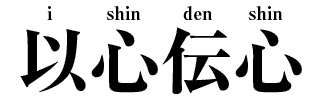
What does the name of our dojo “ishin denshin” mean?

Water: the elixir of life and the secret to optimal hydration
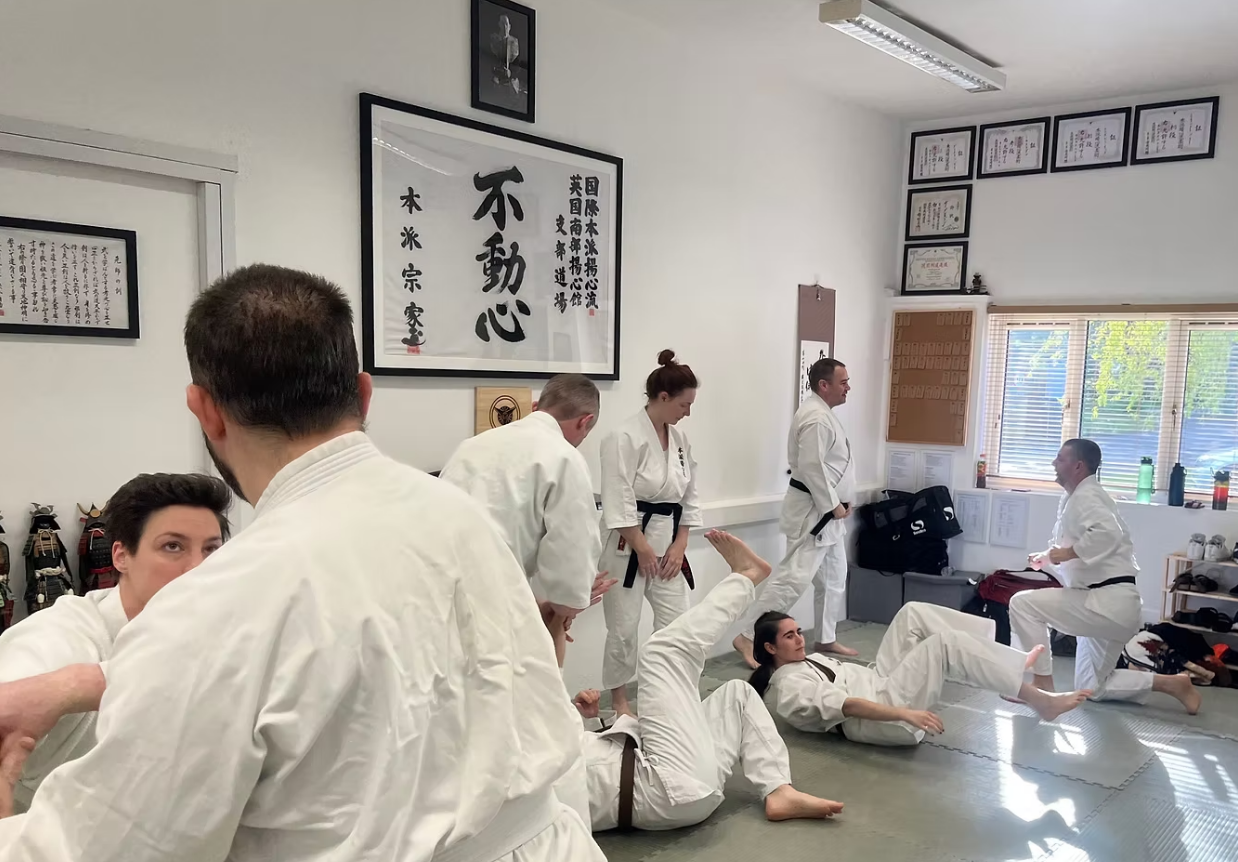
Sempai, Kohai and Dohai: respect for the hierarchical system
What is a dojo (道場)? | At the origins of the word
Mitsu no sen (three points) les trois principals initiatives

Karate Belts: Understanding the Order of Ranks
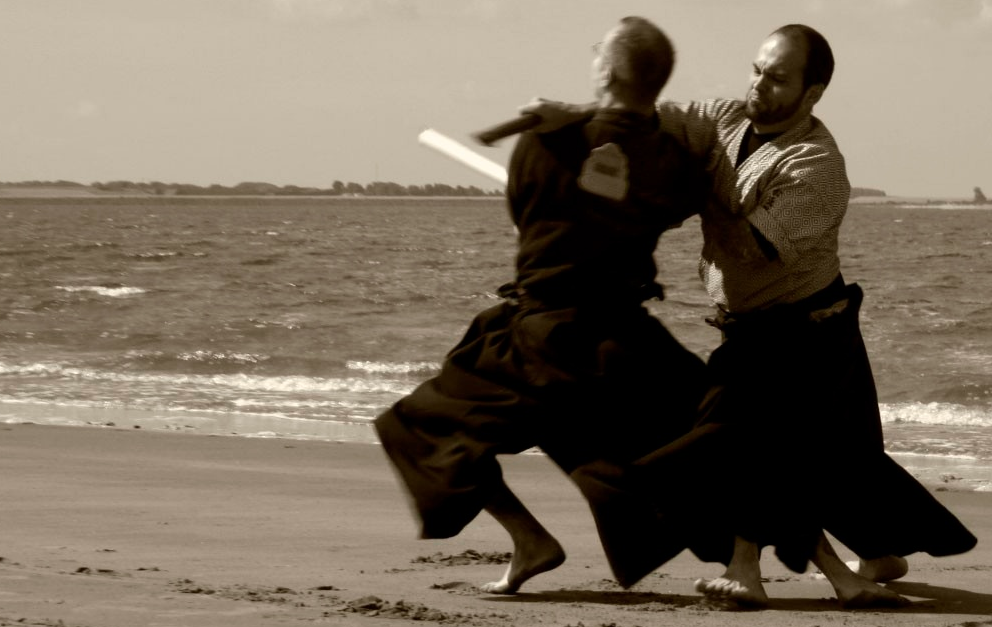
The concept of “Giri”, a profound moral commitment
Kyokun Martial – In karate there is no first attack.
The social economy at the heart of our martial arts center
