

Discover the techniques of South Korean martial art First and foremost, Taekwondo is a martial art that involves a series of kicks, punches and body combat techniques. Mastering them is essential to stand out in sport and achieve significant results. In this article we will present the main kicking, punching and body fighting techniques of Taekwondo and how to improve them to become a true champion of the martial art.
It falls
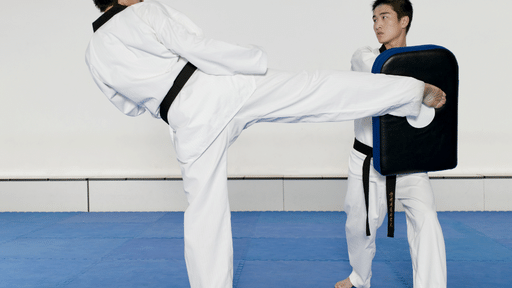
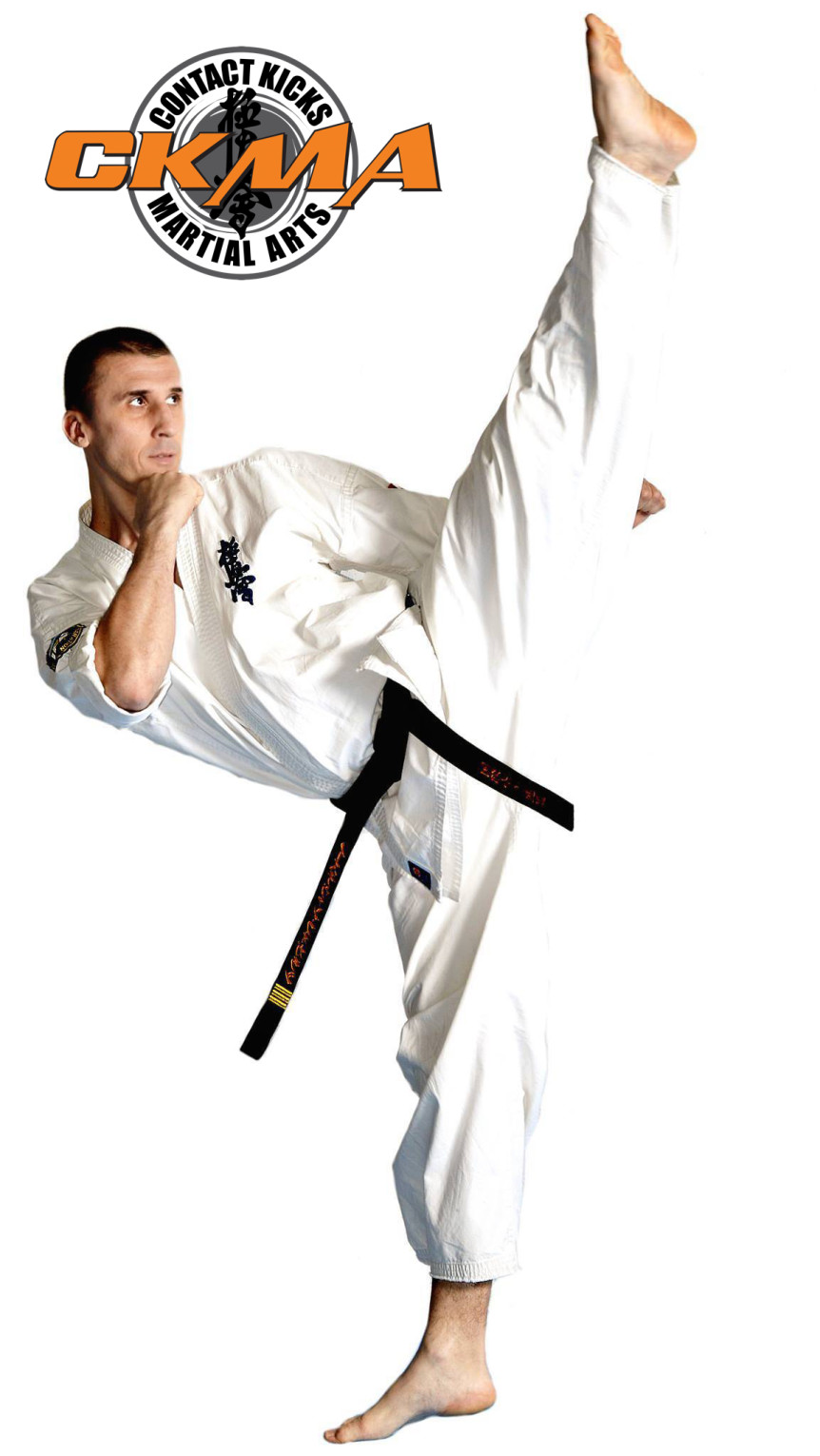
Kicks are the main technique of Taekwondo and there are several types that can be used in combat. Among the most common are the front kick, the side kick, the hook kick, the knee kick and the ankle kick. Furthermore, to improve your kicks, it is important to work on the strength and flexibility of the legs, as well as the precision of the movement. It is important to remember that shooting accuracy is essential to ensure good performance in this sport.
Fists
Punches are also important in Taekwondo, but are used less than kicks. Among the most common punches in this sport are the straight punch and the cross punch. To improve your punches it is important to work on motor coordination and precision of movements. Furthermore, it is important to remember that performing the punch correctly is essential to avoid injuries and ensure a good performance.
Body comba
Body combat is the most common form of Taekwondo practice and involves the use of kicks, punches and defense techniques. During combat, practitioners must be aware of the opponent’s techniques and use their own techniques to defend and attack. To improve body fighting techniques it is important to work on agility, reaction speed and the ability to read the opponent’s movements.
Master the techniques of Taekwondo
Finally, mastering the kick, punch and body fighting techniques of Taekwondo is essential to excelling in the martial art and achieving impressive results. To do this it is important to work on strength, flexibility, motor coordination, reaction speed and precision of movements. In this way, with constant practice and the guidance of a qualified professional, it is possible to improve Taekwondo techniques.
To become a true champion of Taekwondo, the path requires relentless dedication to technical refinement and the strategic integration of these skills. Mastery demands more than just knowing the moves; it requires continuous development of flexibility, explosive power, and tactical awareness. By diligently isolating and perfecting each Chagi, Jirugi, and Makgi, the practitioner transforms individual techniques into a fluid, responsive combat system. Ultimately, the successful Taekwondo champion is defined by their capacity to execute sophisticated techniques with flawless precision under the intense pressure of competition.
Conclusion
Mastering the skills of Taekwondo is not only about learning how to kick or punch — it involves building a strong bond between the mind, body, and spirit. Every movement in this South Korean martial art showcases many years of heritage, discipline, and respect. The unique kicks, accurate punches, and lively fighting plans require not just physical power but also mental sharpness and emotional steadiness.
Through regular practice, learners discover that each technique serves a purpose beyond fighting. A well-done kick shows balance and flexibility, while an accurate punch highlights timing and focus. In Taekwondo, excellence arises from repetition, patience, and a strong wish for growth. The aim is not only to beat an opponent but to conquer personal challenges, achieving mastery through persistence and self-control.
Another important part is the mental training that goes with every physical exercise. The attention needed to align breathing, stance, and timing boosts mental clarity and self-awareness. With time, students build greater self-assurance and the skill to stay calm when stressed — traits that carry beyond the dojo into daily situations.
Moreover, Taekwondo fosters values like respect, humility, and perseverance, which are crucial for personal development. The practice of bowing, the respect toward teachers and fellow students, and the pledge to fair play all strengthen the ethical base of this art.
Ultimately, the path to being a Taekwondo champion is not measured by how many medals are won, but by the discipline, control, and integrity built throughout the journey. Each punch, kick, and action reflects inner strength and determination.
By learning and refining these techniques, practitioners accept not only the physical part of Taekwondo but also its true spirit — the quest for balance between power and peace, body and mind.
latest posts published
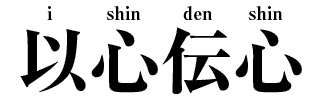
What does the name of our dojo “ishin denshin” mean?

Water: the elixir of life and the secret to optimal hydration
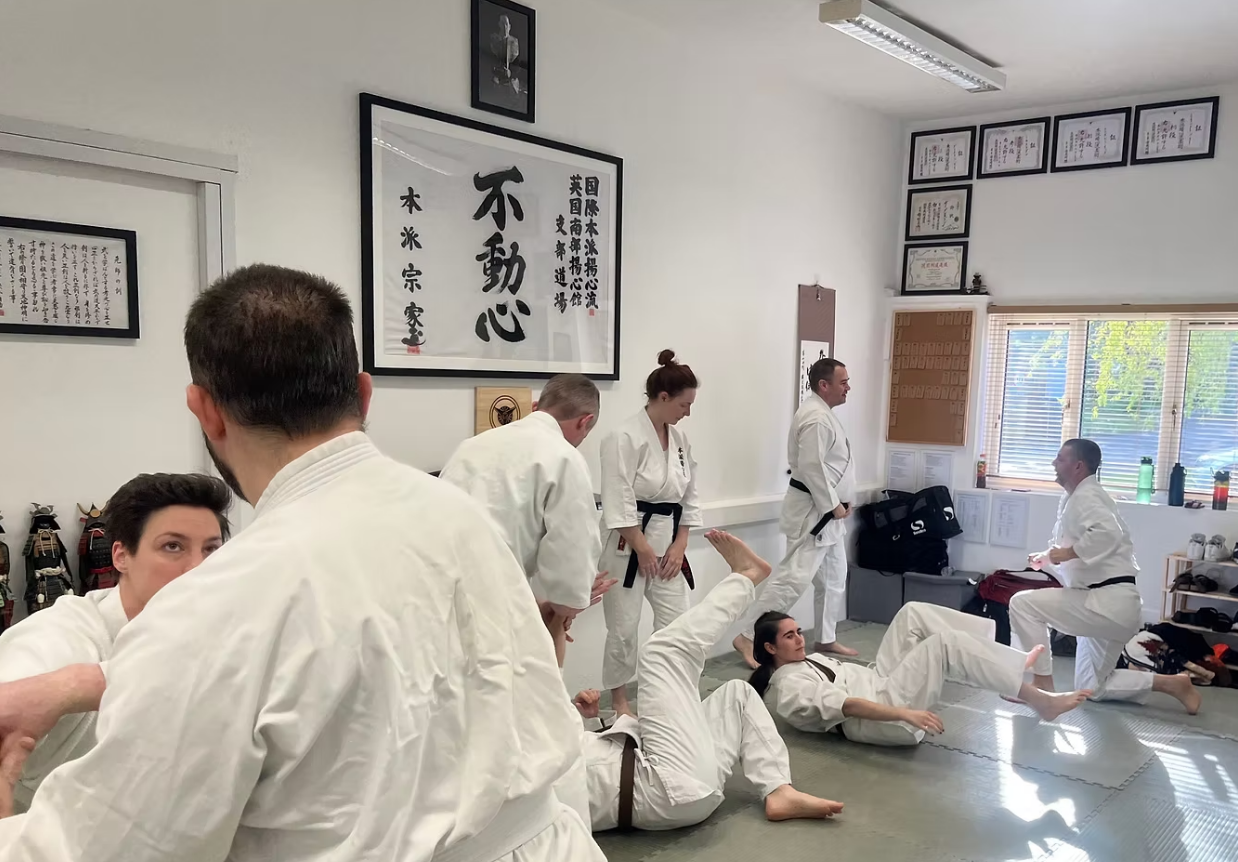
Sempai, Kohai and Dohai: respect for the hierarchical system
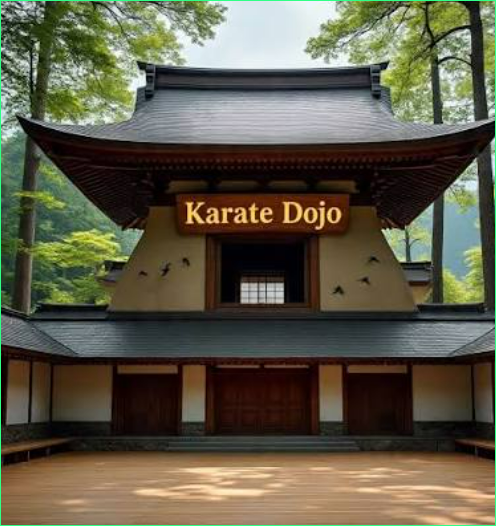
What is a dojo (道場)? | At the origins of the word
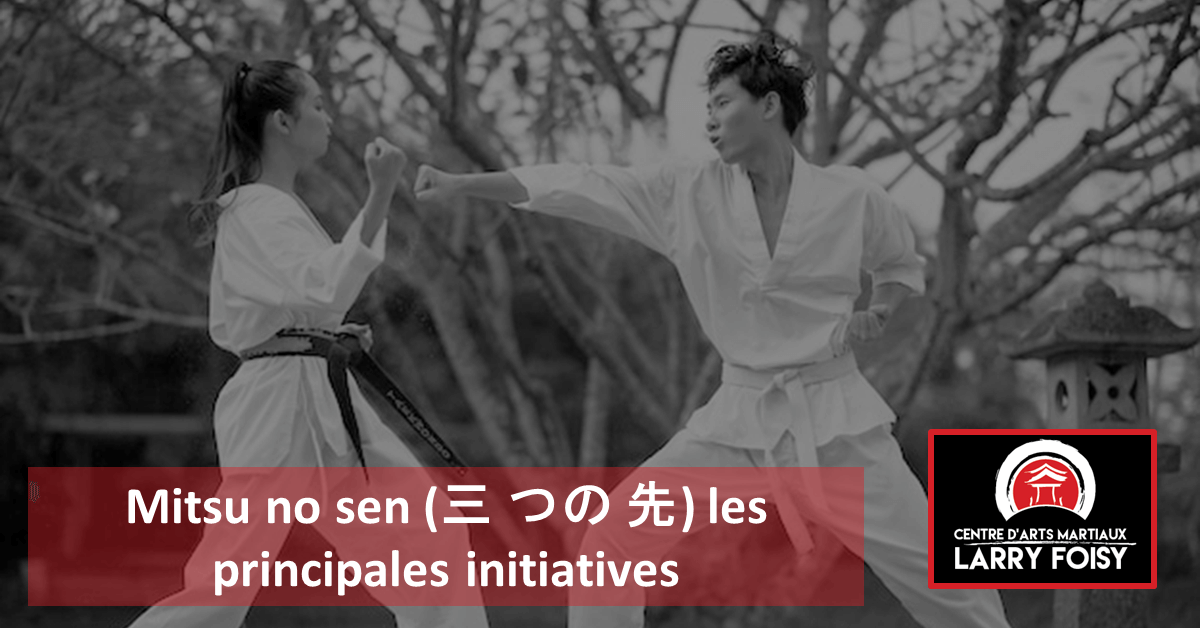
Mitsu no sen (three points) les trois principals initiatives

Karate Belts: Understanding the Order of Ranks
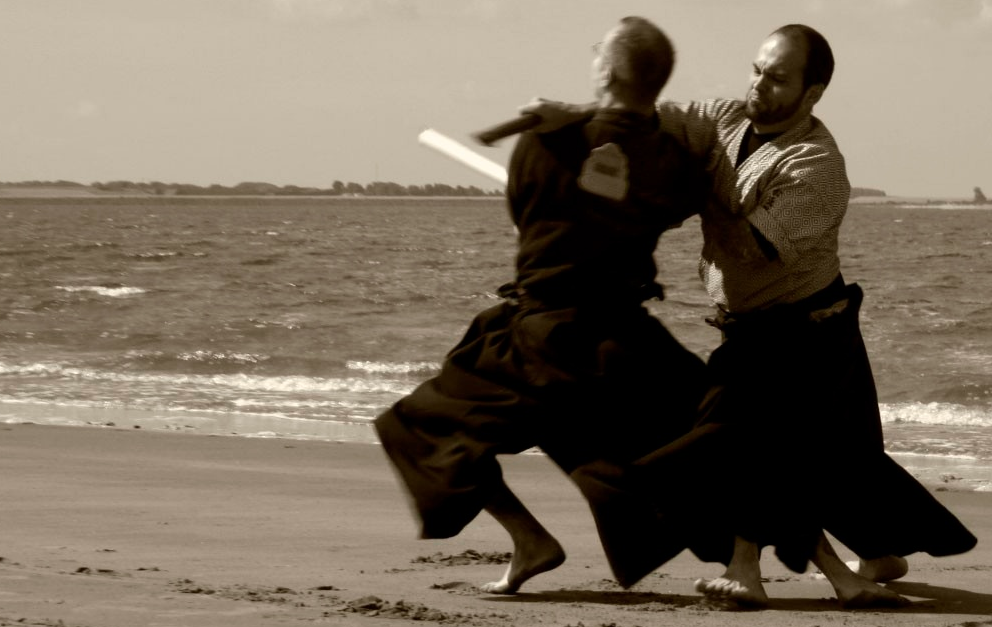
The concept of “Giri”, a profound moral commitment
Kyokun Martial – In karate there is no first attack.
The social economy at the heart of our martial arts center
