

Therefore, we can define Hapkido in several ways. Among these we can say that Hapkido means «Way of energy coordination». Or also: “The way towards the union (harmony) of strength and spirit.
This is a martial art originating from South Korea and is considered a complete martial art thanks to the set of techniques practiced. The Hapkido practitioner must develop the skills of mutual respect, self-confidence and, above all, self-control.

In principle, Hapkido is a martial art focused on urban survival. The wide technical repertoire allows the practitioner to be physically and mentally prepared for any self-defense situation.
Techniques
Among the set of techniques taught in Hapkido we can mention: punches, kicks, throws, twists, solos, breathing techniques, kompop techniques, pressure points, weapon techniques, etc.
It mainly consists of circular movements with twisting techniques and joint immobilization. Each percussion point is based on the pressure points of the acupuncture meridians. Therefore it is essential that the Hapkido black belt, once reaching a high level of training, specializes in Acupuncture or studies the pressure points of oriental medicine.
A good hapkidoist knows how to break and knows how to heal. The breaking point and healing point are exactly the same, it all depends on intention and pressure. Hapkido is, par excellence, one of the main arts in the application of traumatic blows, since the use of this application generally occurs in vital points.
TO – vital energy
The Hapkido practitioner, through breathing techniques and constant training, tries to develop and strengthen the TO. OR TO It is vital energy and, with training, the hapkidoist learns to control physical and mental exhaustion. The goal is balance, or the ability to fight with total control.
For these and other reasons, Hapkido is considered a complete and powerful martial art. Mainly due to its diversity, it focuses on self-defense and urban survival.
Hapkido: The Art of Coordinated Power
This martial art, originating from South Korea, is a versatile discipline founded by Choi Yong-sool in the mid-20th century, though its technical roots lie in the Japanese art of Daitō-ryū Aiki-jūjutsu, which Choi studied in Japan. Hapkido is considered a complete martial art thanks to the comprehensive set of techniques practiced, emphasizing a non-aggressive approach that seeks to harmonize with the opponent’s power.
Technical Versatility
Hapkido’s completeness stems from its integration of three major categories of techniques:
-
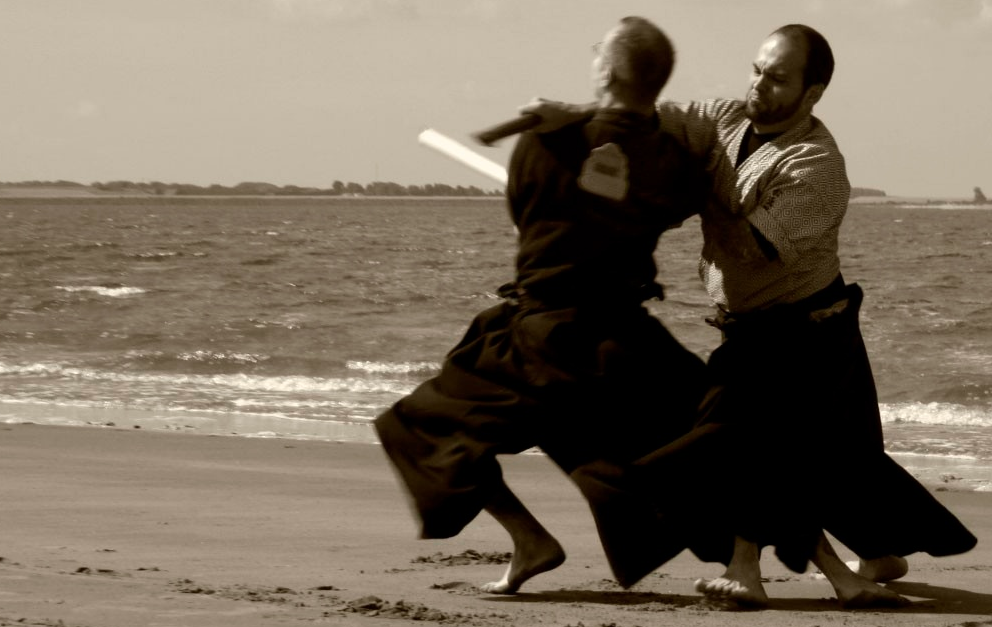
Joint Locks and Throws (Hoshinsul): Practitioners learn an extensive array of wrist locks, elbow locks, and control techniques. The goal is not to meet force with force, but to redirect and neutralize an attack using circular motion and leverage.
-
Strikes (Chigi): This includes a wide variety of hand strikes (punches, chops) and kicks that target vulnerable points on the body. Hapkido kicks are often dynamic and incorporate jumping techniques.
-
Weapons: Training often includes proficiency with traditional weapons such as the short stick, cane, sword, and rope, providing versatility in self-defense scenarios.
🧘 Philosophical and Mental Discipline
Beyond the physical techniques, the core of Hapkido lies in its ethical and mental requirements. The Hapkido practitioner must actively develop the skills of mutual respect, self-confidence, and, above all, self-control.
-
Self-Control: This is crucial because Hapkido techniques are highly effective and potentially devastating. Mastery requires the discipline to neutralize a threat without resorting to excessive force, fulfilling the concept of «harmony.»
-
Mutual Respect: The practice relies on trust between training partners (uke and tori) to execute potentially dangerous joint locks and throws safely. This cultivates a deep respect for the art and for fellow practitioners.
The philosophy of Hapkido is centered on three core principles that guide its technical application: Non-resistance (Hwa), Circular Motion (Won), and the Law of Harmony or Flow (Ryu). These principles ensure that techniques are applied efficiently, leveraging the opponent’s momentum rather than relying on the practitioner’s muscle mass.
Conclusion
Hapkido, often described as the «Path of Energy Coordination» or the «Way towards the Union of Power and Spirit,» is a complete martial art that combines physical skills with mental and spiritual growth. Originating from South Korea, it provides users with a wide range of techniques that include striking, joint locks, throws, and defensive actions, making it a flexible and full martial art. However, Hapkido is not just a set of techniques; it is a practice that focuses on building character and personal development along with physical strength.
A key idea of Hapkido is balance—both within the individual and in relationships with others. Learners are urged to build mutual respect, realizing that the art focuses on balance and integrity rather than aggression or control. Through regular practice, Hapkido builds self-assurance, helping practitioners to believe in their abilities while staying humble and aware of their behavior.
Self-control is another important part of Hapkido. The martial artist learns to control both physical energy and emotional feelings, ensuring that strength is used responsibly and ethically. This harmony between body and mind allows practitioners to react well in difficult situations while keeping calm and clear-headed.
In the end, Hapkido stands for a well-rounded approach to martial arts, merging technical skills with the growth of inner traits like respect, discipline, and emotional control. By practicing Hapkido, people not only enhance their physical skills but also promote a balanced connection of mind, body, and spirit, creating a journey towards personal excellence and valuable self-improvement.
latest posts published
What does the name of our dojo “ishin denshin” mean?

Water: the elixir of life and the secret to optimal hydration
Sempai, Kohai and Dohai: respect for the hierarchical system
What is a dojo (道場)? | At the origins of the word
Mitsu no sen (three points) les trois principals initiatives

Karate Belts: Understanding the Order of Ranks
The concept of “Giri”, a profound moral commitment
Kyokun Martial – In karate there is no first attack.
The social economy at the heart of our martial arts center
