
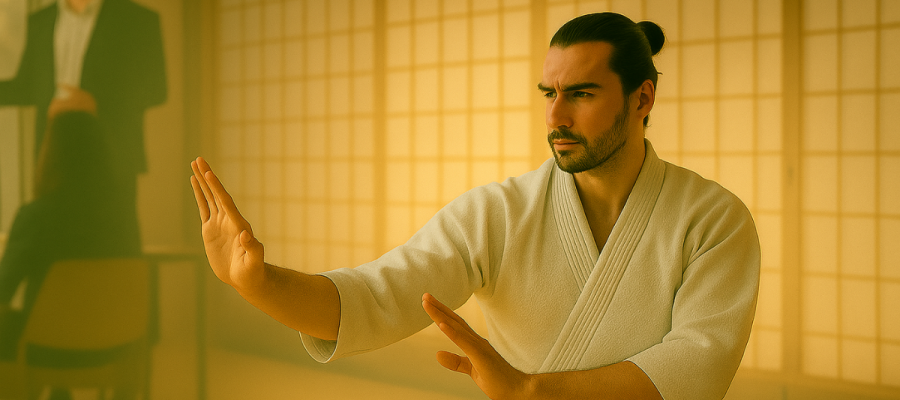
We live in a demanding world, full of deadlines, responsibilities and constant pressure. Both in the professional environment and in studies, the search for emotional balance, concentration and productivity is a reality for many. Aikido, a Japanese martial art based on harmony and control of body and mind, proves to be a powerful tool in this process.
In this article you will discover how regular Aikido practice can transform your routine, increase your mental and physical performance, and contribute to a more balanced and efficient life.
Discipline and consistency: Foundations of professional and academic success
The dojo routine requires punctuality, consistency, commitment and respect, pillars that directly reflect on a more disciplined life outside the tatami. With continued practice the student develops:
- Habit of concentration and dedication.
- Perseverance in the face of challenges.
- Ability to achieve goals and objectives.
This attitude positively influences the organization of tasks, meeting deadlines and performance on tests or projects.
Focus and awareness: the art of being present
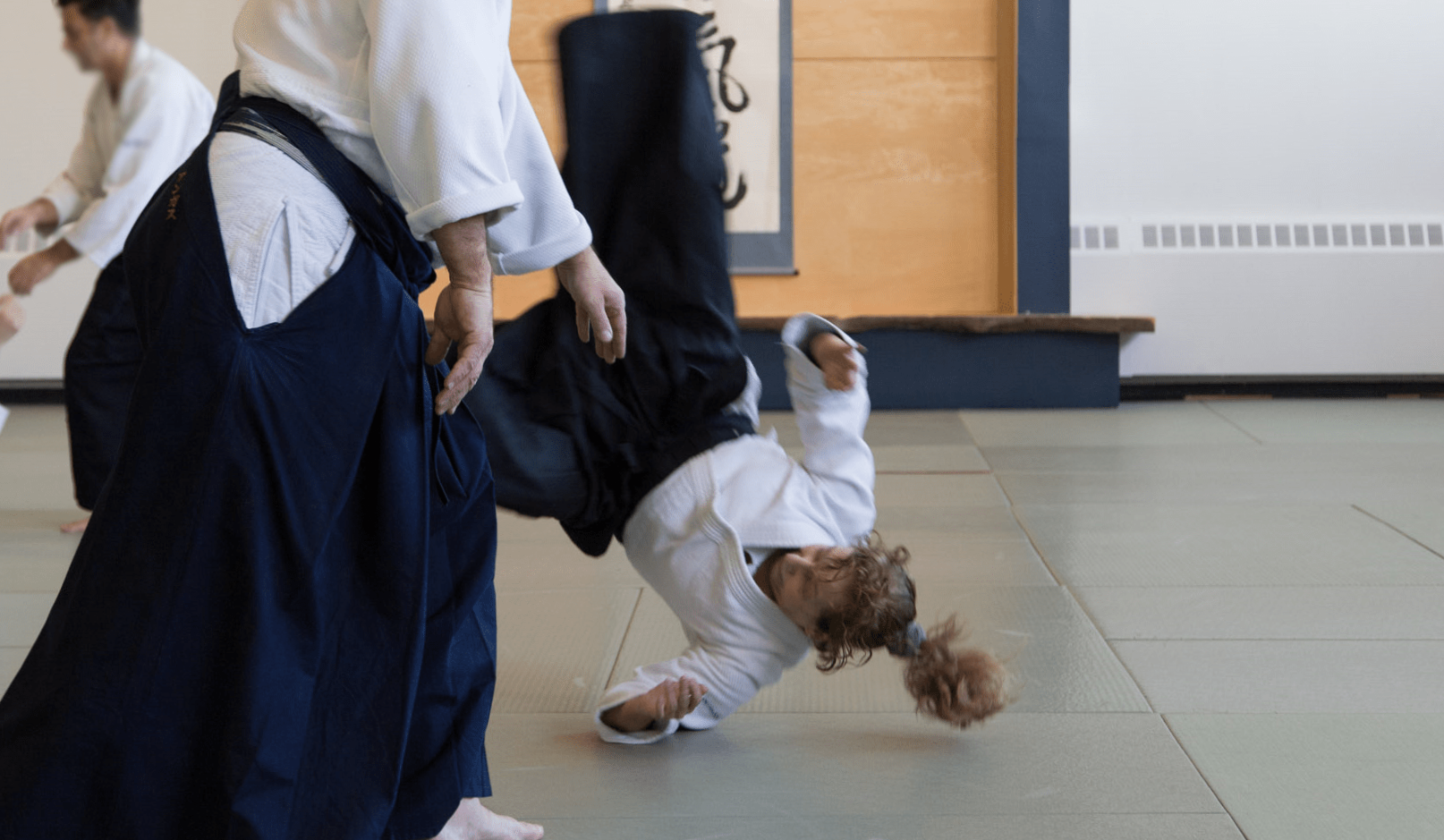
In Aikido, one second of distraction can unbalance an entire technique. This need for full attention (mindfulness) is a constant practice during training, which encourages:
- Greater ability to concentrate on intellectual tasks.
- Reduction of mental dispersion.
- Improved performance in environments with multiple needs.
Students and professionals report that, after a few weeks of practice, they find it easier to maintain focus during meetings, studying, or extended reading.
Stress management: learn to breathe under pressure
The practice of Aikido involves fluid movements and coordinated breathing. In this way, the professional develops a more balanced response to stressful situations, learning to:
- Control anxiety during presentations, exams and tight deadlines.
- React calmly when faced with interpersonal conflicts in the professional environment.
- Restores emotional balance on intense days.
This aspect of Aikido is extremely valuable in competitive, high-performance environments.
Resilience and mental flexibility: falling seven times, getting up eight
One of the most powerful teachings of Aikido is in ukemi — the falling technique. By learning to fall safely and stand up smoothly, the student also develops:
- Ability to deal with failures without getting angry.
- Resilience in the face of mistakes and criticism.
- Ability to adapt to changes and new challenges.
In professional and academic life, this translates into greater emotional preparation and maturity to face difficulties.
Self-confidence and non-verbal communication
The posture of the body, the gaze and the movement on the mat develop a silent language of inner security. This contributes to:
- Greater confidence in interviews, presentations and tests.
- Prominent presence in meetings and group discussions.
- Better management of one’s image in the work or academic environment.
Body-mind balance: the foundation for high performance
Martial practice also improves physical health, providing:
- Greater energy and will for long days of study or work.
- Improves posture, breathing and cerebral oxygenation.
- Reduction of pain and muscle tension caused by a sedentary lifestyle or stress.
Conclusion: Harmony Beyond the Dojo
Regular Aikido practice offers a holistic solution to the demands of modern life. It systematically cultivates internal harmony by linking the physical stability of the Tanden to the emotional stability of the mind. By practicing how to move with intention, accept disruption gracefully, and utilize minimal effort efficiently, the Aikido practitioner transforms their approach to life. This enables them to navigate deadlines and responsibilities not with anxiety, but with calm, focused, and balanced efficacy, making the martial art truly a path to a more efficient and fulfilling life.
Aikido is not just a physical practice. It is a journey of self-discovery and personal growth. It prepares you for life. If you’re looking for greater focus, discipline, emotional balance and self-confidence – at work, in studies and in life – the mat could be your next step.
latest posts published
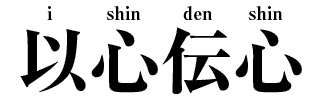
What does the name of our dojo “ishin denshin” mean?

Water: the elixir of life and the secret to optimal hydration
Sempai, Kohai and Dohai: respect for the hierarchical system
What is a dojo (道場)? | At the origins of the word
Mitsu no sen (three points) les trois principals initiatives

Karate Belts: Understanding the Order of Ranks
The concept of “Giri”, a profound moral commitment
Kyokun Martial – In karate there is no first attack.
The social economy at the heart of our martial arts center
