
It’s easy to get caught up in labels and misconceptions when it comes to violence in our society. The media often focuses on the idea of aggression as the root of violence, ignoring the power of instinct. It is important to understand that although instinct is an innate part of human behavior, violence can be learned and can even be directed against oneself.
It is important to remember that people do not choose to be aggressive and that aggression can be triggered without anyone realizing it. It is also important to remember that violence in our society is not a “black and white” issue and that it exists on a spectrum. There are people who are victims of violence on a daily basis and there are people who are perpetrators of violence. And to understand self-defense you also need to understand violence and how it presents itself to you, in terms of the attacker’s approach, intensity and intentions.
Another commonly misconceived and misconceived thought is that learning self-defense makes us more violent. Learning self-defense as close to reality as possible will not make you violent, nor will it mean you will enjoy violence. If that were the case, then anyone learning first aid wants and enjoys hurting someone so they can apply it.
Self defense and martial arts
There are also many people who think that you need to learn martial arts to learn self-defense. If this were the case, cavemen and the rest of the animal world, having never practiced martial arts, would not know how to adapt and defend themselves from their natural predators. For as long as animals have existed on Earth, the instinct to fight and survive has always been present in their lives. However, the Human Being has evolved and become a predator of itself, and as a result of this, martial arts have emerged as systems of warfare and self-defense.
Martial arts help and are useful, with the basic biomechanics of beatings and mental strengthening, but not essential for self-defense. Self-defense skills are not combat skills. Fighting skills are learned and can be taken away from you once you stop practicing them. Therefore, as normal people, we must regard martial arts as a complex nursing course in which we only need to learn emergency first aid.
Self-defense and our animal instincts
There is an instinctive level of self-defense encoded within us. These self-defense skills are in your genes and are with you from birth. Since the beginning of our existence, the self-defense instinct has been a vital part of our survival. It is what allows us to fight or flee when we are threatened. It is what allows us to protect ourselves, our loved ones and our property.
It is a primordial instinct that all animals have. Since the beginning of our existence, man has always had to fight for survival. Over time, we have evolved and learned to defend ourselves using our intelligence and reasoning and, in a seemingly safer world, we have ended up ignoring/abandoning this instinct.
But when we find ourselves in a situation of imminent danger or threatened by external forces, logic and rationality shut down, activating our basic survival instinct. This is the “fight or flight” response designed to help us survive dangerous situations. This response is often triggered by a perceived threat and can motivate us to resist, fight, or flee to safety. Although the “fight or flight” response is often associated with fear, it is important to note that this response can also be triggered by other emotions, such as anger.
In fact, self-defense can reduce the chances of being the target of violence, both through preventive processes and by creating an unfavorable situation for potential attackers. It also increases your ability to deal with conflict and will give you confidence in your ability to neutralize an attacker if he attacks you.
This is why it is important to never forget this interconnection between violence, martial arts and our instincts. Knowing how to “listen” to our animal instincts, knowing the principles of situational awareness and readiness, fear management, verbal de-escalation, violence threat assessment, and biomechanical enhancement provided by martial arts will exponentially improve your chances of detecting, avoiding, and surviving an attacker.
In conclusion, it is important to understand what we are, self-defense and violence, to fully understand learning self-defense. By knowing these aspects mentioned above and putting them into practice, we can learn the best ways to defend ourselves. If you want to know more and learn this formula, contact us.
latest posts published
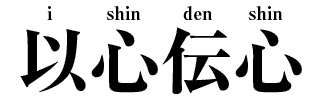
What does the name of our dojo “ishin denshin” mean?

Water: the elixir of life and the secret to optimal hydration
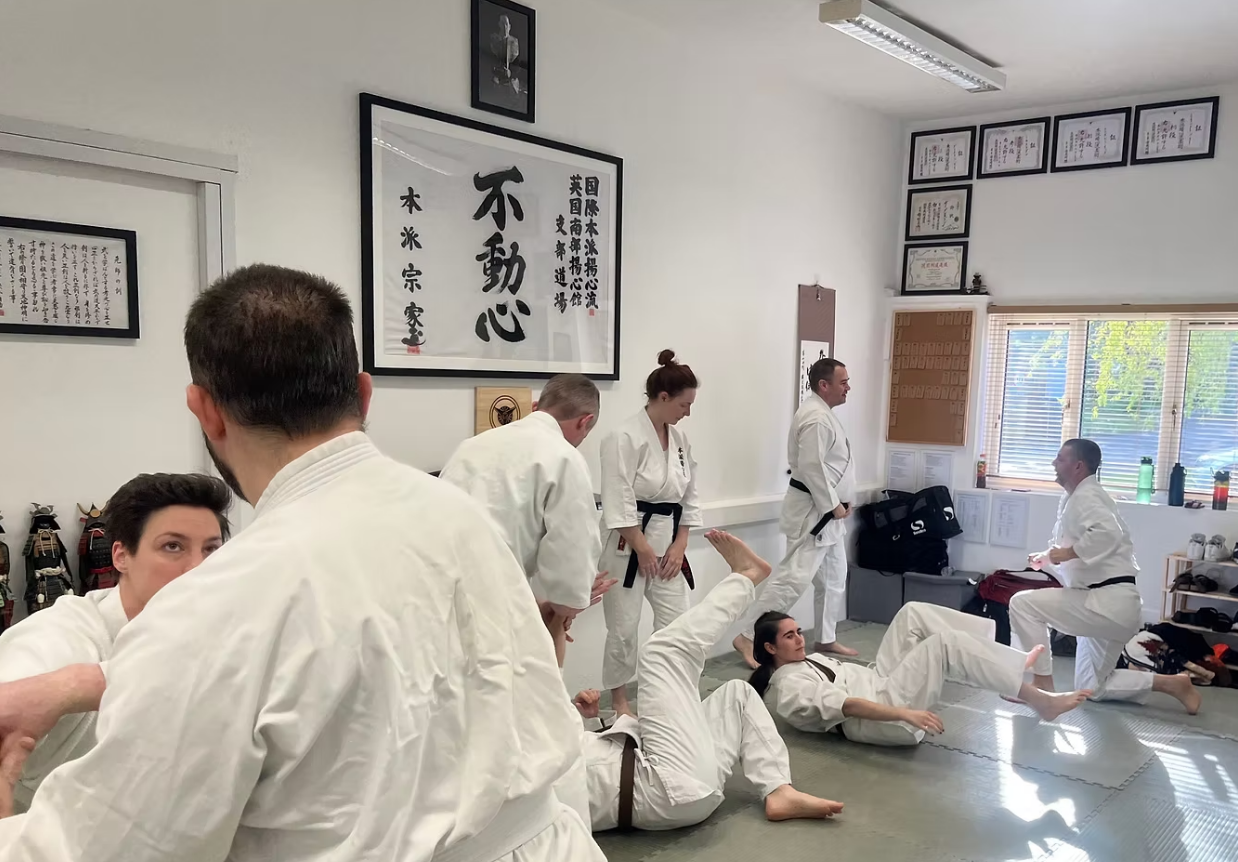
Sempai, Kohai and Dohai: respect for the hierarchical system

What is a dojo (道場)? | At the origins of the word
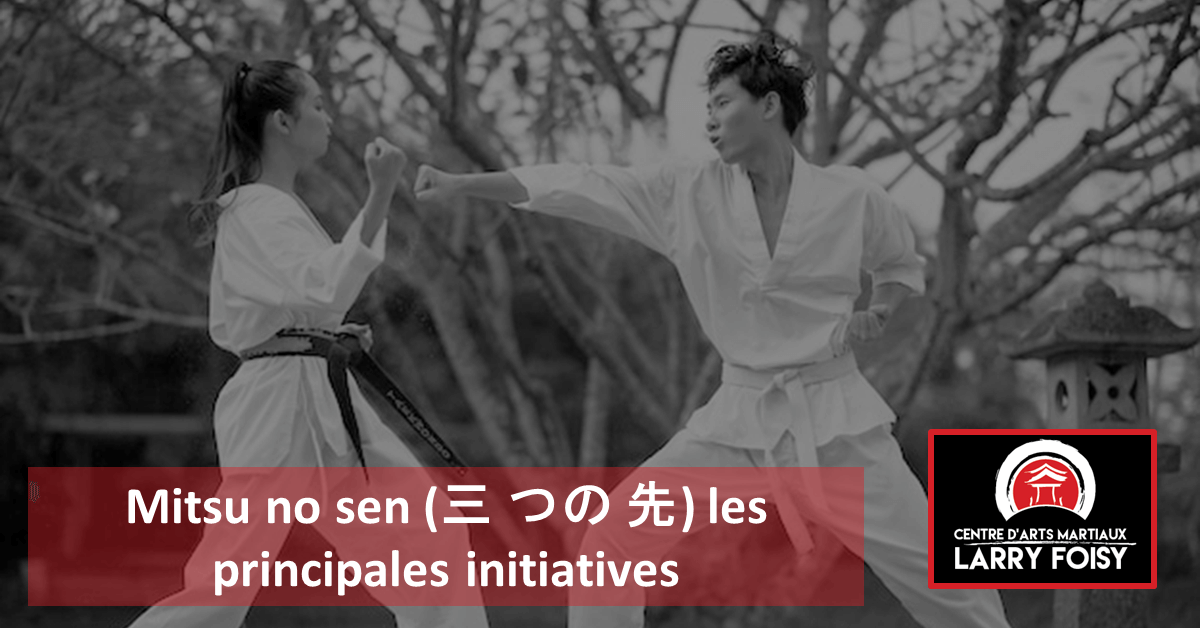
Mitsu no sen (three points) les trois principals initiatives

Karate Belts: Understanding the Order of Ranks
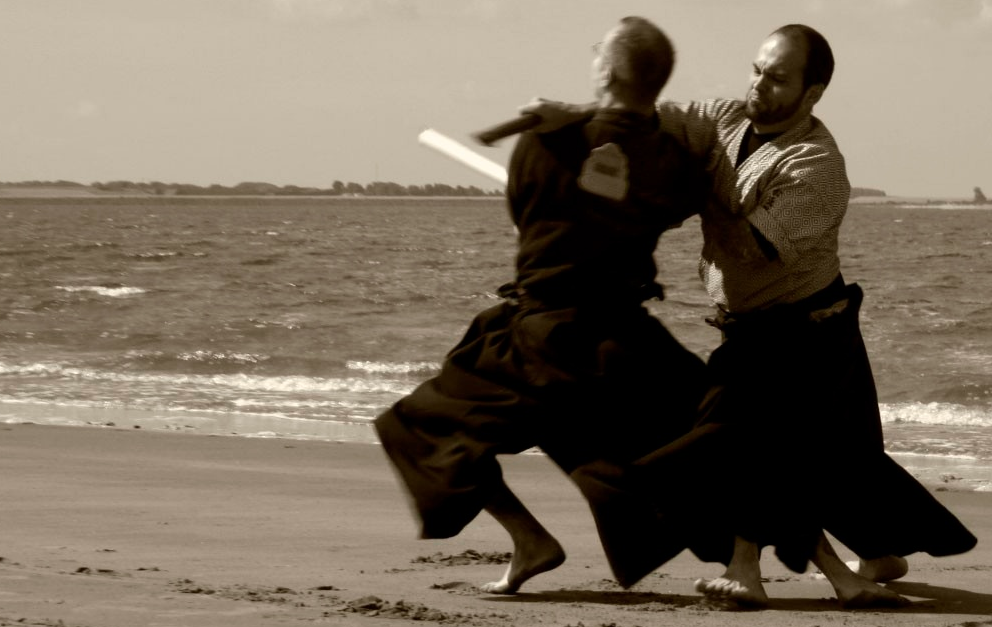
The concept of “Giri”, a profound moral commitment
Kyokun Martial – In karate there is no first attack.
The social economy at the heart of our martial arts center
