

At Shaolin Wude, the code of martial behavior of Northern Shaolin, despite lacking a religious element, encourages shared values that go beyond cultures and ethnicities, as they are noble and worthwhile. In Kung Fu training, these guidelines are designed to assist the student in achieving the best outcomes in all parts of their life.
The professional’s connection with these guidelines must be entirely based on moral principles. No one will ever be compelled to follow them. Adherence is accepted when it is thought to be greatly beneficial in personal growth.
If the guidelines are frequently violated, after multiple alerts, the individual may be asked to leave the training, not as a punishment, but because the training is not fitting for them.
The following passage is simply a formal record of what has been passed down, from generation to generation, through spoken word and, especially, through the living example of those who have previously traveled this journey.
THE PROFESSIONAL:

• You must respect and honor life, tradition and Wude, being loyal to yourself and others.
• Must respect and honor teachers (present and past), teachers, their parents and elders, protect the younger ones and treat their colleagues as brothers and sisters.
• Must be wise and courageous, uphold righteousness and truth, and be responsible for one’s actions.
• He will not be unscrupulous, he will not harass, he will not do evil, he will not steal or deceive.
• You will not have dealings with people of bad character and wickedness.
• He will not abuse power, whether official or physical; He will not oppress the good nor mistreat the Gentiles.
• You must be humble and train with patience and diligence, keeping yourself physically and mentally healthy, persevering and trying to improve yourself every day.
• Must be humane, act with love and compassion, bringing peace and happiness to all through their actions and example.
• Must be polite and generous, cultivating and developing talents and passing on tradition to those who deserve it in order to preserve it for future generations.
• Must cultivate gratitude and live according to the laws of heaven and men.
Bei Shaolin Wude: The Moral Compass of Martial Arts
The document you provided outlines the fundamental principles governing the Bei Shaolin Wude (Code of Martial Ethics of Northern Shaolin). Although presented without a religious character, this code promotes common values that transcend cultures and races, as they are universally worthy and desirable for human conduct. In the practice of Kung Fu, these rules are not meant to restrict, but to empower, aiming to help the practitioner achieve the best results in all aspects of their life, both within the Kwoon (training hall) and externally.
The professional’s relationship with these rules must be of a strictly moral and voluntary character. No one will ever be forced to submit to them. Submission is accepted when it is genuinely believed that this adherence can be of great help in personal development. This voluntary commitment highlights that Wude is a path of self-cultivation rather than a set of imposed doctrines.
Conclusion
The Bei Shaolin Wude, the code of martial ethics of Northern Shaolin, represents a timeless framework of values that extend beyond the practice of Kung Fu, offering guidance for life itself. While it is not a religious doctrine, its principles promote virtues such as respect, integrity, discipline, and perseverance—qualities that are universally recognized and valued across cultures and generations. By adhering to these rules, practitioners cultivate not only technical skill but also moral character, ensuring that their growth in martial arts contributes to their development as balanced, responsible, and ethical individuals.
Compliance with Wude is voluntary, emphasizing the importance of personal conviction and moral choice. True mastery requires internal acceptance of these principles, not coercion. When a practitioner embraces these ethics sincerely, they become a foundation for self-improvement, providing guidance in moments of challenge, both inside and outside the dojo. Conversely, repeated disregard for these rules indicates a misalignment with the training’s deeper purpose, and in such cases, stepping away is sometimes necessary—not as a punishment, but as a recognition that the path of martial development is not suitable for that individual at that time.
The transmission of Wude is historically rooted in both verbal instruction and the living example of experienced masters. This dual approach ensures that the principles are internalized, rather than merely memorized, allowing them to shape behavior and decision-making in all aspects of life. It highlights the inseparable link between martial practice and ethical conduct, demonstrating that technical skill alone is insufficient without moral grounding.
Ultimately, Bei Shaolin Wude serves as a compass for practitioners, guiding them toward excellence not only in Kung Fu but also in personal and social life. Its emphasis on ethical practice, personal responsibility, and continuous self-improvement underscores that martial arts are as much a journey of character and virtue as they are of physical mastery
latest posts published
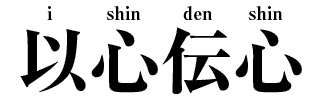
What does the name of our dojo “ishin denshin” mean?

Water: the elixir of life and the secret to optimal hydration
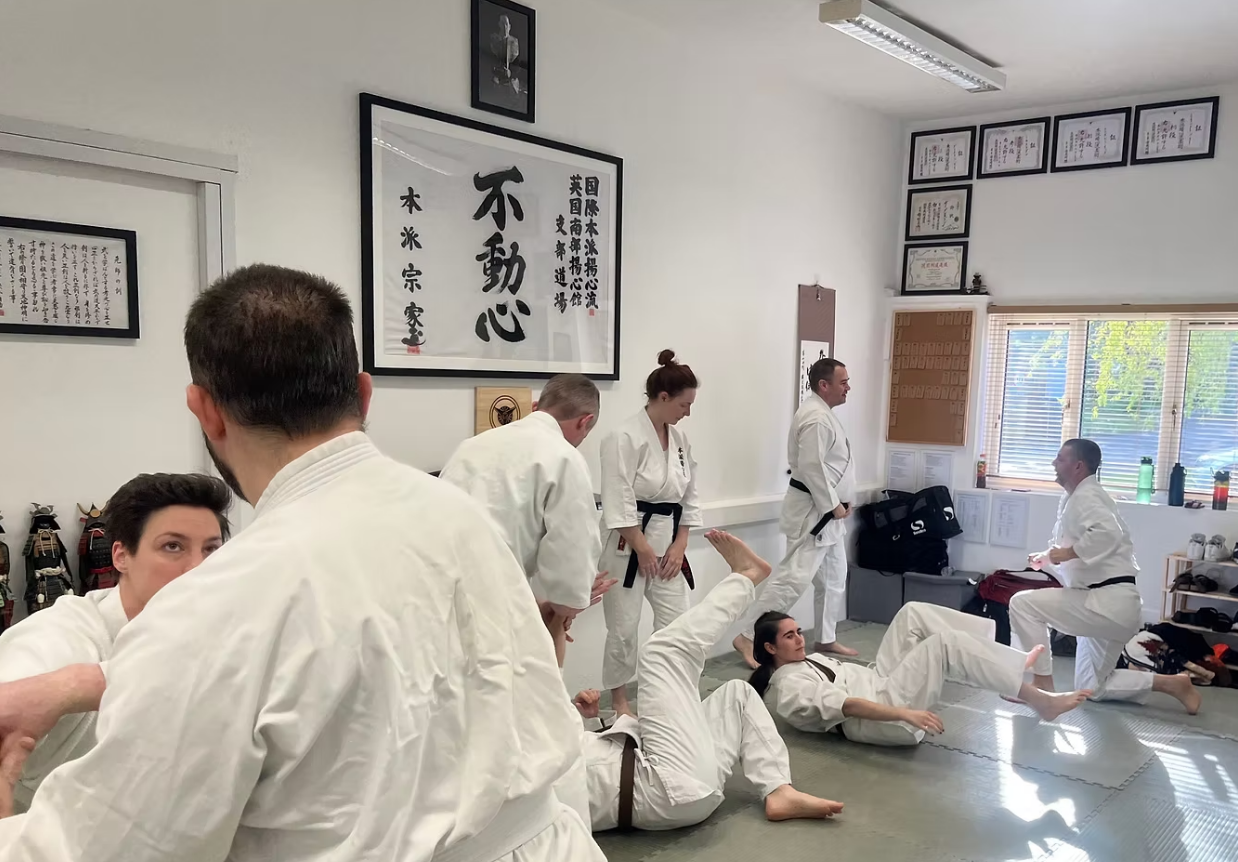
Sempai, Kohai and Dohai: respect for the hierarchical system

What is a dojo (道場)? | At the origins of the word
Mitsu no sen (three points) les trois principals initiatives

Karate Belts: Understanding the Order of Ranks
The concept of “Giri”, a profound moral commitment
Kyokun Martial – In karate there is no first attack.
The social economy at the heart of our martial arts center
