

Apply the principles of Taekwondo in everyday life In principle, Taekwondo is a Korean martial art that has gained many practitioners around the world. Its name means «path of the feet and hands», and this definition already shows us the importance of balance and harmony between the different parts of the body. In this article we will explore the fundamental principles of Taekwondo and how they can be applied to everyday life.
Courtesy
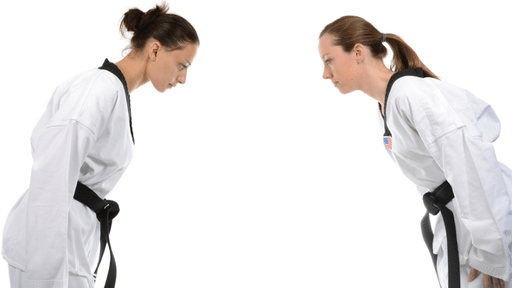
Courtesy is one of the most important principles in Taekwondo. It implies respect and consideration for others, regardless of their position or status. For example, in a Taekwondo dojo, it is common for students to greet teachers and classmates with a bow before and after class. In this sense, outside the dojo, courtesy can be applied in everyday situations, such as showing respect for other cultures and traditions.
Integrity
Integrity is a core value of Taekwondo. It involves honesty and sincerity in all situations, both inside and outside the dojo. In a Taekwondo fight, integrity can be seen in the way fighters behave and respect each other, even in a competitive environment. Outside of the dojo, integrity can be applied in everyday situations, such as being honest in all interactions and keeping commitments.
Perseverance
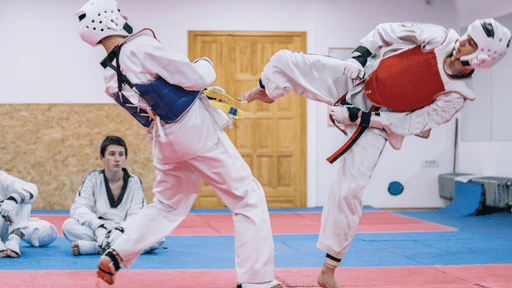
Perseverance is another important principle of Taekwondo. It involves tenacity and determination in the face of challenges and difficulties. In other words, in a Taekwondo dojo, perseverance is seen in how students dedicate themselves to improving their skills and overcoming their limits. In this sense, perseverance can be applied in everyday situations, such as staying firm in your goals and working hard to achieve them.
Self-control
Self-control is key in Taekwondo. It involves the ability to control one’s emotions and actions in all situations. In Taekwondo training, self-control can be seen in the way students maintain calm and composure, even under pressure. Likewise, self-control can be applied in everyday situations, such as controlling anger and frustration in difficult situations.
Indomitable spirit
Indomitable spirit is the last fundamental principle of Taekwondo. Despite this, it takes courage and determination to face challenges and overcome obstacles, even when things seem impossible. However, the indomitable spirit can be seen in the way students face their fears and overcome their limits. However, the indomitable spirit can be applied in everyday situations
Transform your life with the principles of Taekwondo
In summary, the fundamental principles of Taekwondo are courtesy, integrity, perseverance, self-control and an indomitable spirit. These values are essential to become a Taekwondo master, but they can also be applied in different situations of everyday life. By following these principles, you can become a more resilient, courageous, and respectful person, not only in the dojo, but in all areas of your life. Practice Taekwondo with commitment and dedication and you will see how these principles can transform your life.
Conclusion
In conclusion, Taekwondo is way more than just a fighting skill that focuses on kicks and punches — it is a way of thinking that leads the practitioner toward balance, discipline, and personal improvement. The five basic principles — kindness, honesty, determination, self-discipline, and a strong spirit — create the moral and ethical base from which every action and choice in Taekwondo is formed.
Practicing kindness teaches respect for others, humility, and understanding — traits that encourage harmony in connections both inside and outside the training area. Honesty promotes truthfulness and accountability, reminding the practitioner that real strength comes from doing what is right, even when not observed. Determination builds mental toughness and dedication, enabling one to face obstacles and keep going in tough situations. Self-discipline, on the other hand, is the core of emotional intelligence — it shows how to control urges, stay focused, and act wisely even during stressful times. Lastly, a strong spirit means having the brave heart to face fear, failure, and challenges, becoming tougher with every test.
When these principles are used outside of martial arts — in family, jobs, and social situations — Taekwondo becomes a strong tool for personal change. It transforms individuals into more balanced, respectful, and self-assured persons.
Therefore, training in Taekwondo goes well beyond learning how to fight. It is about developing a way of living based on respect, honesty, and resilience. With commitment and hard work, these lessons can change not just your physical skills but also your mindset and perspective on life — helping you tackle every challenge with strength, humility, and a strong spirit.
latest posts published
What does the name of our dojo “ishin denshin” mean?

Water: the elixir of life and the secret to optimal hydration
Sempai, Kohai and Dohai: respect for the hierarchical system
What is a dojo (道場)? | At the origins of the word
Mitsu no sen (three points) les trois principals initiatives

Karate Belts: Understanding the Order of Ranks
The concept of “Giri”, a profound moral commitment
Kyokun Martial – In karate there is no first attack.
The social economy at the heart of our martial arts center
