

Jiu Jitsu: a journey of strength, technique and transformation When it comes to martial arts, the Jiu-Jitsu inevitably emerges as one of the most respected and appreciated practices worldwide. But what exactly is Jiu-Jitsu? Where does it come from and what is its main goal? In this article we will delve deeper into this art to understand its essence and the benefits it can bring to the lives of those who practice it.
A Brief History of Jiu-Jitsu
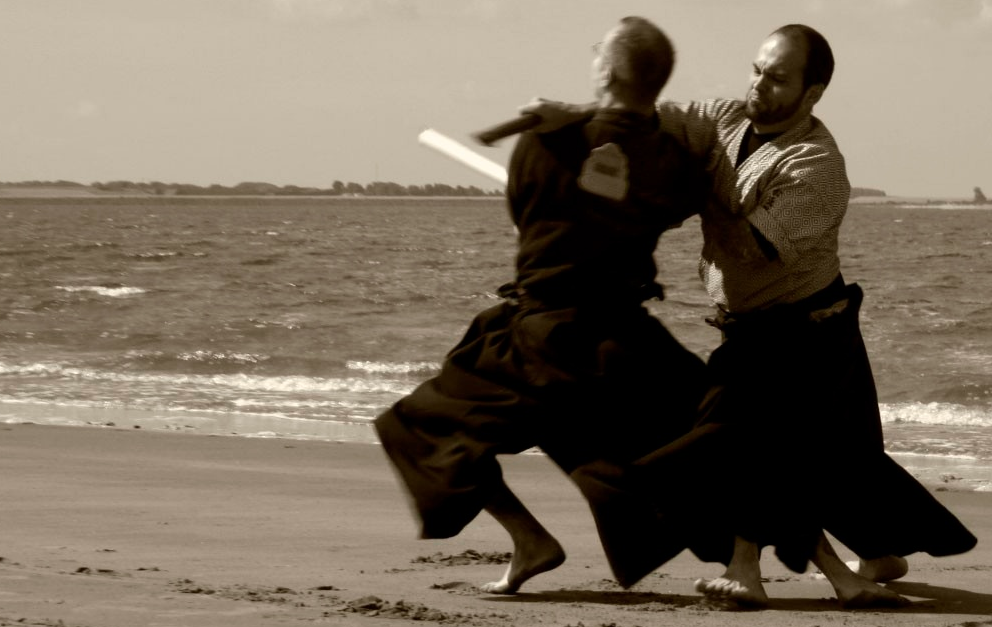
Jiu-Jitsu has its roots in the ancient fighting techniques of the Japanese samurai. It was conceived as a way for unarmed samurai to defend themselves, using leverage and key techniques to immobilize the opponent.
The origin of the name Jiu-Jitsu

“Jiu” means “fluidity” and “Jitsu” means “art” or “technique”. Therefore, the literal translation of Jiu-Jitsu is «gentle art», a reference to the idea of using the opponent’s strength and momentum against oneself, instead of relying solely on brute force.
Fundamental objectives of Jiu-Jitsu
The main goal of Jiu-Jitsu is not just victory in combat. Art seeks to perfect the individual in physical, mental and emotional aspects. Through training, the professional learns to overcome challenges, control their emotions and apply techniques with precision and efficiency.
Discovering Jiu-Jitsu
The practice of Jiu-Jitsu it goes beyond simple strikes or fighting techniques. Serve as a tool for self-knowledge, discipline and respect. Ongoing training teaches you how to deal with adversity, develops quick thinking and encourages strategy in pressure situations.
Benefits of Jiu-Jitsu
- Physical conditioning: Regular practice of Jiu-Jitsu promotes muscle strengthening, improves cardiovascular endurance and increases flexibility.
- Mental health: Jiu-Jitsu helps reduce stress, improves concentration and increases self-esteem.
- Personal development: discipline, respect and tenacity are values cultivated in the practice of the gentle art, benefiting all aspects of life.
Jiu-Jitsu: a visible change
In addition to the internal benefits, the constant practice of Jiu-Jitsu brings visible changes to the body. It strengthens muscles, promotes weight loss and improves posture, changing not only the mind, but also the physique of the practitioner.
Take the first step on your Jiu-Jitsu journey
If you are looking for an activity that challenges your body and mind, while providing personal and physical growth, Jiu-Jitsu is the perfect choice. Don’t wait any longer to discover the transformative potential of this ancient art. Book your first lesson with us and feel the benefits of Jiu-Jitsu in practice!
Jiu-Jitsu: The Gentle Art of Personal Transformation
Jiu-Jitsu is a martial art that transcends mere physical practice, offering a profound path of strength, skill, and personal transformation. Originating from Japan and later refined in Brazil, Jiu-Jitsu has earned worldwide respect for its unique combination of technique, strategy, and adaptability. Its essence lies not in brute force, but in leveraging leverage, timing, and precision to overcome challenges, making it accessible and highly effective for practitioners of all sizes and abilities.
The discipline is fundamentally centered on ground fighting and grappling, utilizing throws, joint locks, and chokeholds to subdue an opponent. This focus stems from the principle that most real-world confrontations end up on the ground. However, the true beauty of Jiu-Jitsu lies in its intellectual depth. A session on the mat is often described as a physical game of chess. Practitioners must constantly think several moves ahead, anticipate their opponent’s weight shifts, and execute sequences of attacks and defenses under intense physical pressure. This constant need for strategic thinking sharpens the mind and vastly improves problem-solving skills in high-stress situations.
Beyond the Mat: Mental Resilience and Humility
The benefits of practicing Jiu-Jitsu extend far beyond self-defense and athletic competition. The training environment inherently fosters mental resilience. Continuously being put into vulnerable positions (taps) and learning how to escape them builds a unique form of humility and perseverance. Every practitioner learns quickly that ego is a liability; improvement comes only through consistent, honest self-assessment and the willingness to learn from failure. The mat, or Dōjō, serves as a powerful crucible where weaknesses are exposed, and true character is forged.
Furthermore, Jiu-Jitsu cultivates a powerful sense of community and mutual respect. Training partners rely on each other for safe and effective practice. The culture necessitates a high degree of trust and camaraderie, creating a supportive network that is often referred to as a «Jiu-Jitsu Family.» This environment of shared hardship and collective learning contributes significantly to the personal growth aspect of the art, helping practitioners develop confidence, discipline, and emotional regulation that translates directly into everyday life. Whether one is training for a world championship or simply seeking a challenging hobby, Jiu-Jitsu offers a complete system for self-improvement—a true embodiment of the «Gentle Art» where intelligence triumphs over raw power.
Conclusion
Jiu-Jitsu is a martial art that transcends mere physical practice, offering a path of strength, skill, and personal transformation. Originating from Japan and later refined in Brazil, Jiu-Jitsu has earned worldwide respect for its unique combination of technique, strategy, and adaptability. Its essence lies not in brute force, but in leveraging leverage, timing, and precision to overcome challenges, making it accessible to practitioners of all sizes and abilities.
At its core, Jiu-Jitsu cultivates resilience, discipline, and self-awareness. Every training session challenges the practitioner to think critically, remain calm under pressure, and develop both mental and physical agility. The art encourages continuous growth, teaching students that progress comes through patience, persistence, and learning from setbacks. Through its structured techniques and sparring practices, Jiu-Jitsu fosters confidence and empowers individuals to face difficulties both on and off the mat.
Beyond the technical benefits, Jiu-Jitsu promotes holistic development. Practitioners enhance their body awareness, improve fitness, and cultivate emotional control, while also embracing values such as respect, cooperation, and integrity. The art creates a strong sense of community, where learning and support go hand in hand, and where personal achievements are celebrated alongside collective growth.
For beginners and advanced students alike, Jiu-Jitsu provides a journey of transformation. It is a discipline that strengthens the body, sharpens the mind, and nurtures the spirit. By engaging with this art, individuals not only acquire practical self-defense skills but also develop qualities that positively influence all aspects of life. Ultimately, Jiu-Jitsu is a lifelong pursuit that blends tradition, technique, and personal evolution, offering practitioners a path toward mastery, balance, and self-discovery.
latest posts published
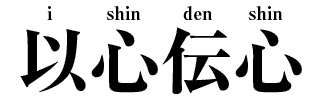
What does the name of our dojo “ishin denshin” mean?

Water: the elixir of life and the secret to optimal hydration
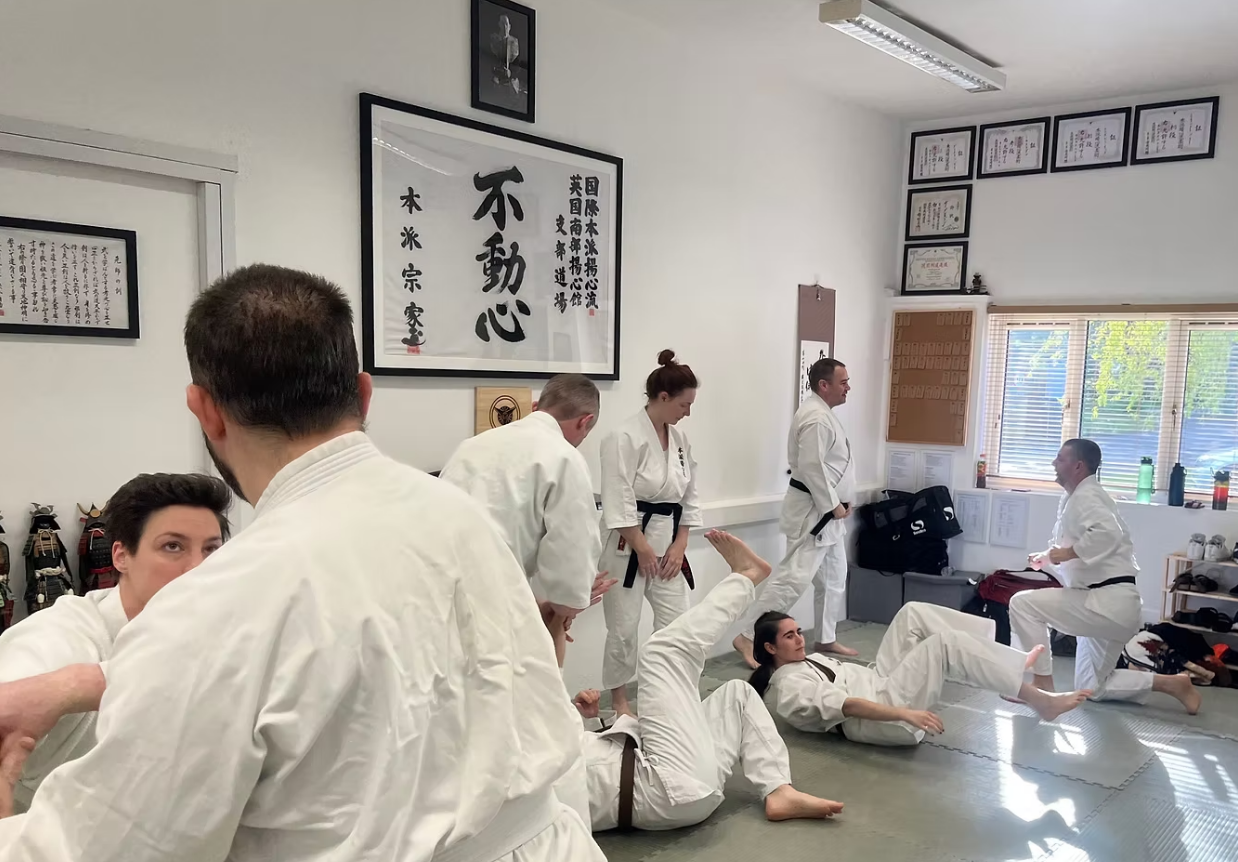
Sempai, Kohai and Dohai: respect for the hierarchical system
What is a dojo (道場)? | At the origins of the word
Mitsu no sen (three points) les trois principals initiatives

Karate Belts: Understanding the Order of Ranks
The concept of “Giri”, a profound moral commitment
Kyokun Martial – In karate there is no first attack.
The social economy at the heart of our martial arts center
