If you’re looking for a martial art to practice, you’ve probably come across names like Aikido, Jiu-Jitsu And Karate. While they all share Eastern roots and promote physical and mental development, each offers distinct approaches, specific values and unique techniques. In this article we will help you better understand the differences between these three modes so that you can choose the one that best suits your goals.
Aikido: the art of harmony and defense
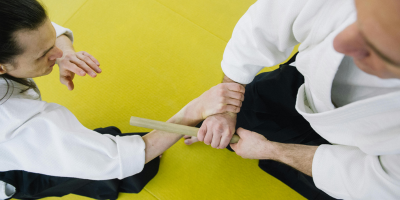
OR Aikido is a japanese martial art created by Morihei Ueshibabased on the principles of harmony, not resistance And self-defense without aggression. The practitioner learns to redirect the opponent’s force using circular movements and leverage, with minimal effort.
Aikido Highlights:
- There is no competition, the focus is on personal evolution.
- Develops emotional balance, posture and body control.
- Ideal for those looking legitimate defense without violence and a path of internal development.
- Strongly influenced by the values of Budo (the way of the warrior).
Jiu-Jitsu: technique and ground fighting
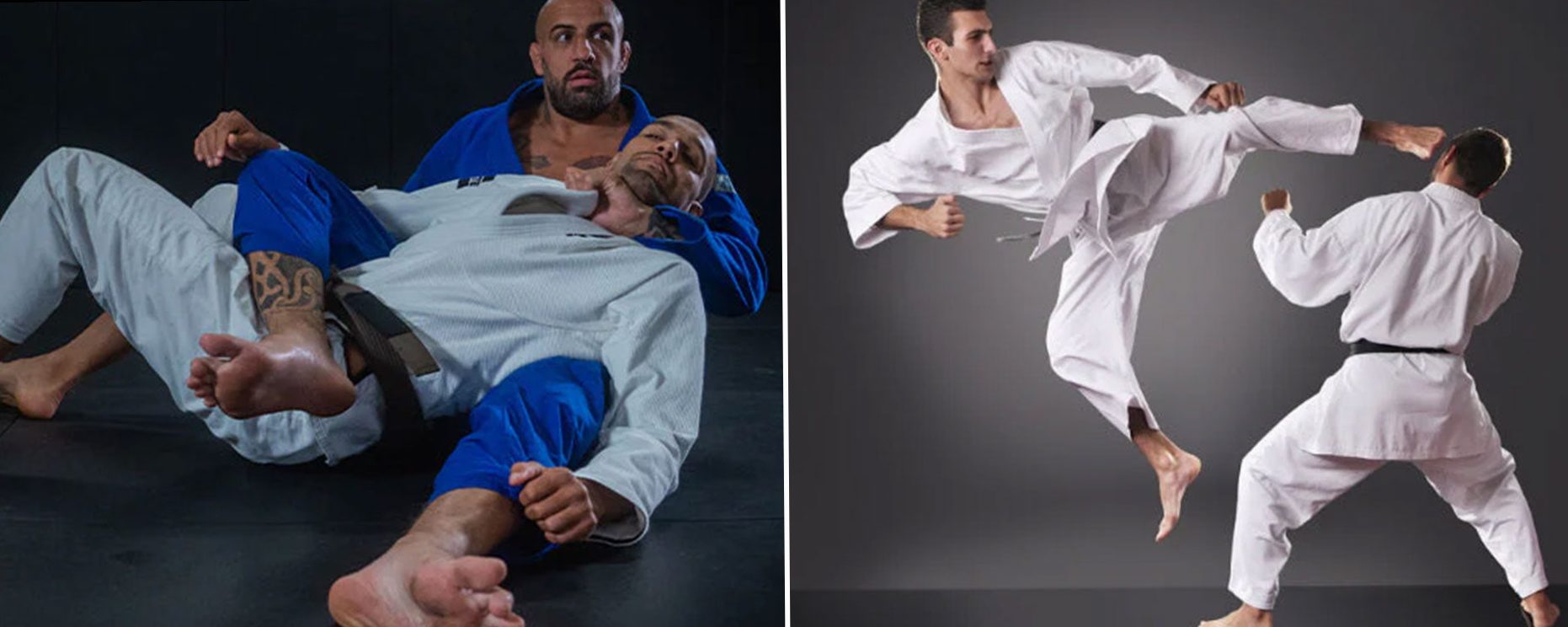
OR Jiu-Jitsuin particular the Brazilian Jiu-Jitsu (BJJ)it is a martial art aimed at hand-to-hand combatwith an emphasis on falls, fixed assets And field observations. The technique overcomes strength, making it effective even for smaller people facing larger opponents.
Jiu-Jitsu Highlights:
- Widely used in combat sports and MMA.
- Constant practice of sparring and real combat.
- Excellent for those who wish to learn self-defense with a practical focus.
- Competitive environment with championships and performance leaderboards.
Karate: direct strikes and discipline
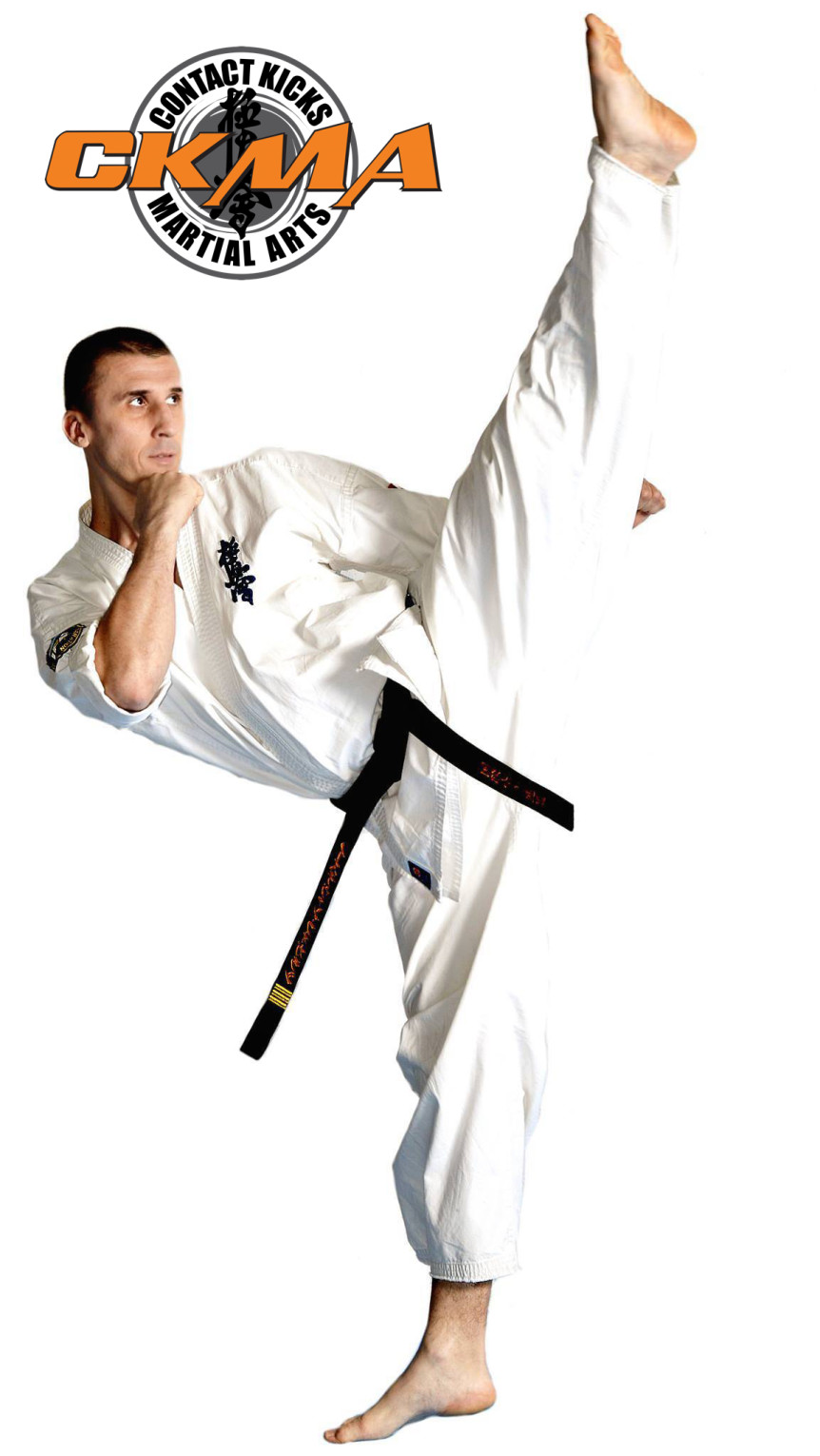
OR Karate is a traditional Japanese martial art known for its direct hits, falls, punches and well-defined postures. It has roots in Okinawa and emphasizes discipline, respect, mental strength And physical development.
Karate Highlights:
- Training with repetitions of kata (technical sequences).
- Emphasis on standing attack and defense techniques.
- Excellent for physical conditioning and discipline.
- It has competitions and belt exams with well-defined rules.
Which one to choose? The choice between Aikido, Jiu-Jitsu and Karate depends on your personal goals:
- Are you looking for emotional balance, philosophy and defense without violence? Aikido is ideal.
- Do you want effective fighting techniques for real situations and competitions? Jiu-Jitsu might be the best.
- Do you prefer a martial art with quick strikes, fitness and discipline? Karate is a great option.
Regardless of your choice, all martial arts offer great benefits to the body, mind and spirit.
Plan your experimental Aikido lesson
If you identify with the principles of Aikido and would like to experience a transformative martial art, make an appointment today free trial lesson in our dojo. Discover the power of harmony and the path of self-knowledge with Aikido.
Conclusion
When exploring martial arts, understanding the distinctions between Aikido, Jiu-Jitsu, and Karate is essential for choosing a practice that aligns with personal goals, interests, and values. While all three share Eastern origins and promote physical and mental development, they each offer unique approaches and philosophies that shape the practitioner’s experience.
Aikido stands out for its emphasis on harmony, non-aggression, and the integration of body, mind, and spirit. Its techniques focus on redirecting an opponent’s energy rather than meeting force with force, fostering self-awareness, emotional balance, and cooperation. This makes Aikido particularly suitable for those seeking personal growth, stress management, and a non-competitive environment.
Jiu-Jitsu, by contrast, emphasizes grappling, joint locks, and ground control. It trains practitioners to neutralize opponents efficiently while focusing on leverage, timing, and strategy. The art develops resilience, problem-solving skills, and physical adaptability, offering a more practical approach to self-defense and close-contact combat.
Karate, on the other hand, is known for its striking techniques, including punches, kicks, and blocks. It combines physical conditioning with discipline and a strong focus on form, speed, and power. Karate instills confidence, focus, and perseverance, making it ideal for individuals who enjoy structured training and a more direct, dynamic approach to martial arts.
Ultimately, the choice between Aikido, Jiu-Jitsu, and Karate depends on one’s personal objectives—whether the goal is self-defense, physical fitness, mental clarity, or spiritual development. Each art offers unique benefits, and exploring their differences allows practitioners to select the path that best suits their body, mind, and aspirations. By understanding these distinctions, anyone can embark on a martial arts journey that enriches their life both physically and mentally.
latest posts published
Sempai, Kohai and Dohai: respect for the hierarchical system
What is a dojo (道場)?
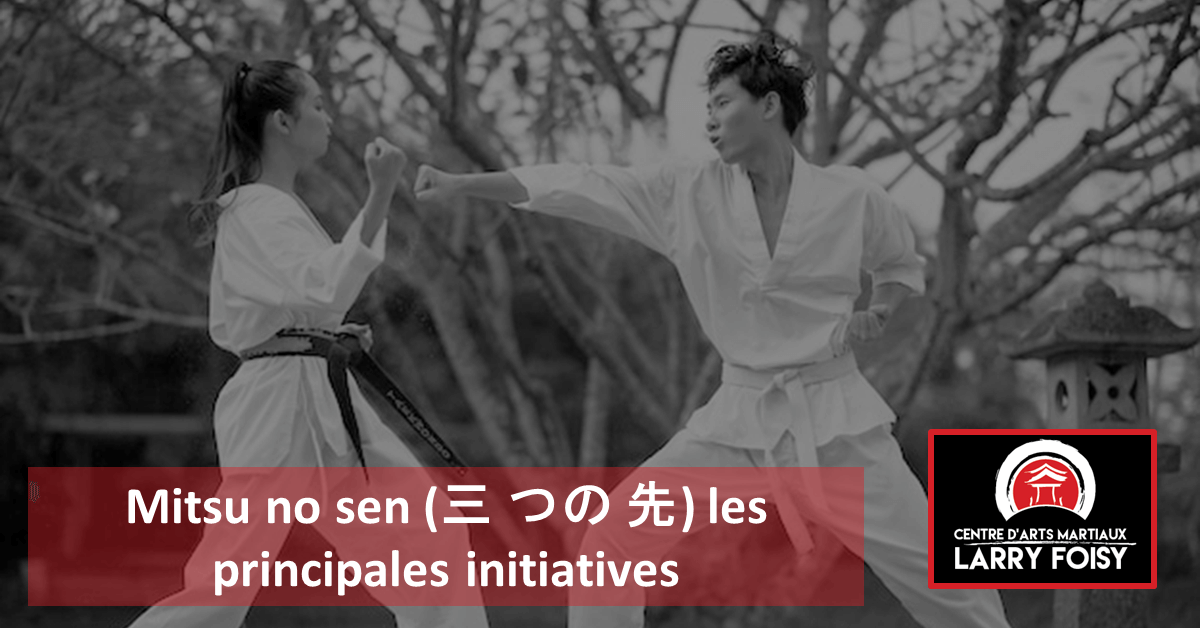
Mitsu no sen (three points) les trois principals initiatives

Karate Belts: Understanding the Order of Ranks
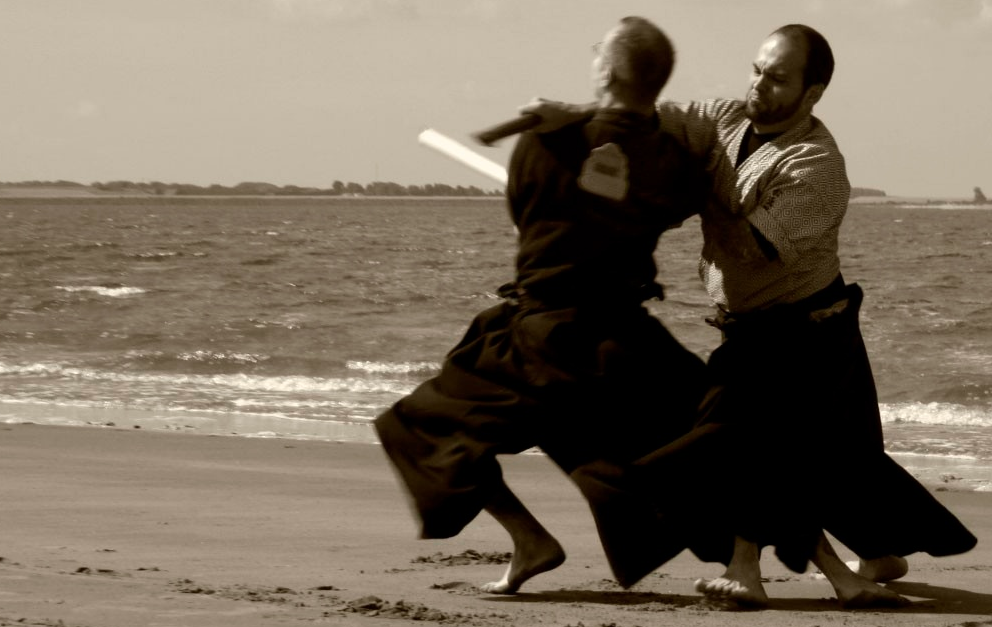
The concept of “Giri”, a profound moral commitment

Athlete Imaging | Martial Arts Larry Foisy
Black belts, keepers of knowledge
Kyokun Martial – In karate there is no first attack.
The social economy at the heart of our martial arts center