
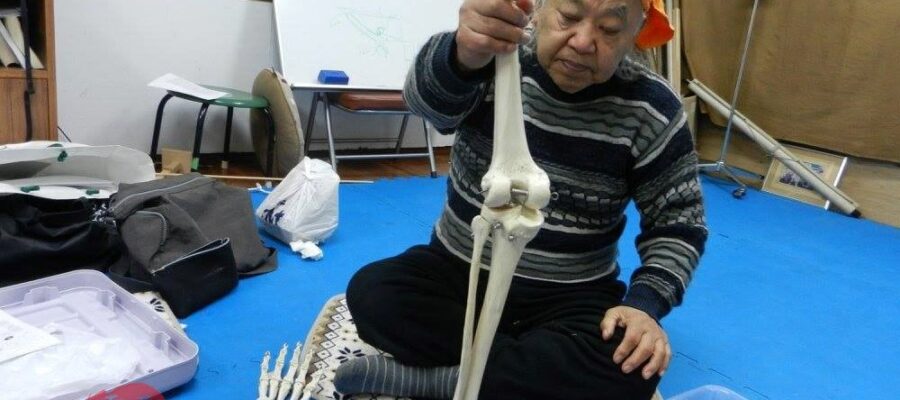
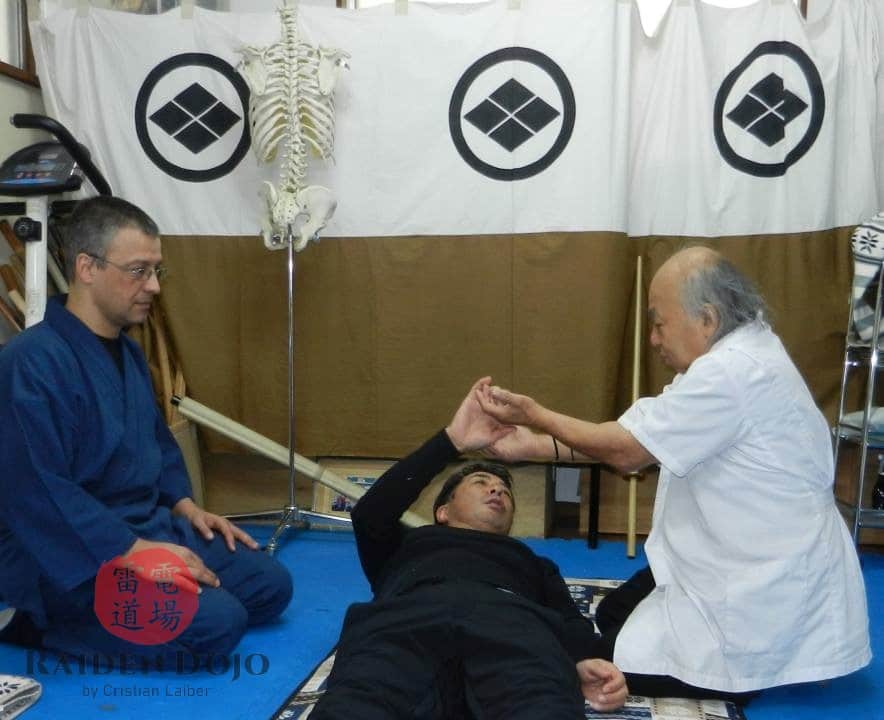
A fantastic meeting this summer with a wonderful man – Soke Kenji ShimazuMaster in martial arts, living encyclopedia of knowledge in old Japanese but also Chinese styles, author of numerous works and not least, precious therapist. His specialty is Kenbiki – a modern method is between chiropraxia and myofasciare – based on old school therapy techniques Yagyu Shingan Ryu Which Sensei has successfully applied for decades. In addition, Sensei is perhaps the most important researcher in Japan in this direction – of ancient manual therapies, writing treated on this topic and organizing seminars.
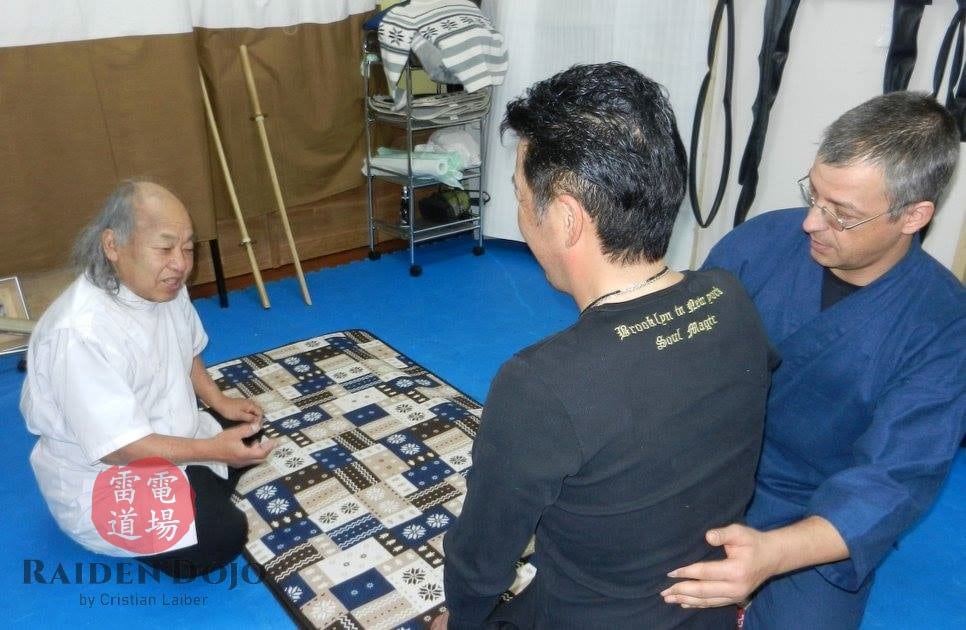
The daily program begins around 10.30-11 with the preparation / cleaning of the Dojo which is the first treatment clinic. Sensei receives few patients to have a relatively long time with everyone and try to explain them and what the cause is and also gives them the theme for the home. He prefers some of those who have made martial arts because some words also change on this topic. The atmosphere is very relaxed, sometimes I don't know exactly who the patient is and who is a student. 2-3 patients at most a day are still old and after a serious surgery, but I am surprised by its mental acuity and by the accuracy of the techniques, martial or therapeutic. Accepting the pain is an integral part of the recovery process and Sensei insists on it. It is totally against modern drugs that only mask pain and do nothing to the rest …
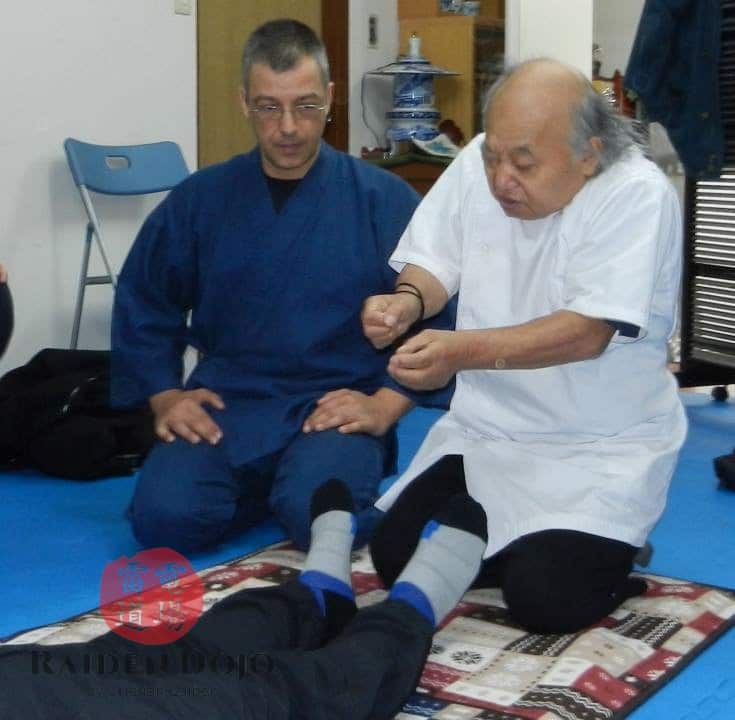
Kenbiki AND Seitai-Ul practiced by Sensei they have two aspects such as the martial techniques of Yagyu Shinganbut the part Yo (il) It is more obvious and extremely efficient especially in the case of recent injuries / dislocations. The first thing and essence in therapy, as in martial arts, is ME – I wait. The correct evaluation of the situation, which implies something deeper than «taking a look». Is what in Yagyu Shingan Ryu It is called to the last level «Shinshin Shingan» – The ability to see in the «heart» of people with the «eyes» of the divinity.
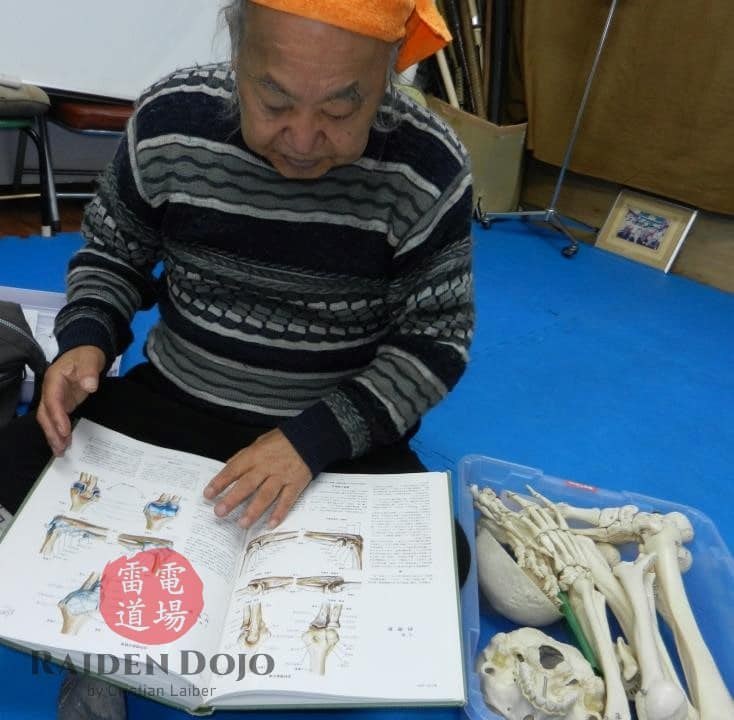
Up to this level, Shimazu sensei Explains how Many things start walking / feet, a way we sit and sit. Balance and column can suffer a lot. He tells me that in the old days it was common for a Japanese to go to Hakone on foot – that is, 40 km a day. Only they have gone a little different from us … however the «civilization of the body» and its awareness are at another level in Japanese and this is still preserved. The distinction between the way in which one's body and person feels emotionally in many of the daily expressions. Yes, Sensei uses modern medical atlantous atlas in practice and also bone molds but are not based on them. They only give a starting point on what is inside and the interior of each is different and different. The ability to feel it must be developed.
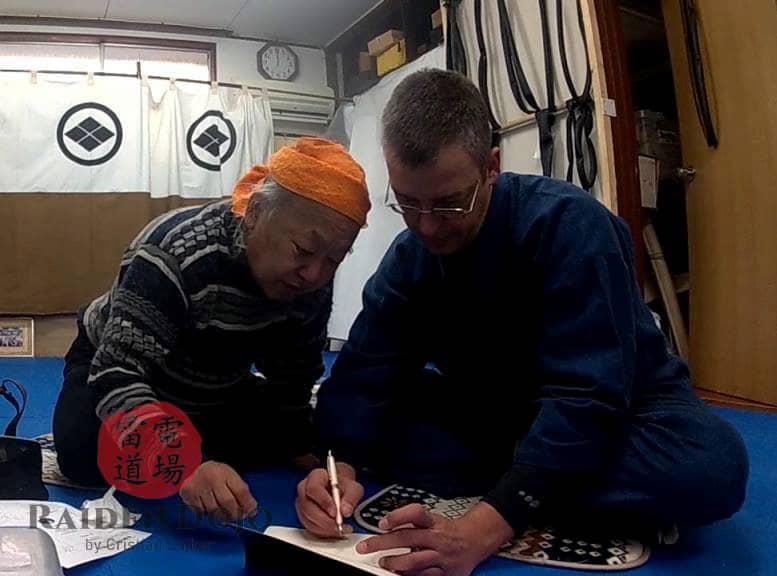
» – Stop coming with a pen because you will surely make mistakes – with the rubber correctly! «The second phase consists in drawing one's bones and muscles, tendons in an attempt to get used to our body. So we can possibly understand how it is in a patient or, faster, an opponent. The bones that I just studied theoretically, I have to feel in motion as I go. So Sensei allows me to leave the cabinet for over an hour. Explain the main forms of travel from Yagyu Shingan that practical with awareness and breathing.
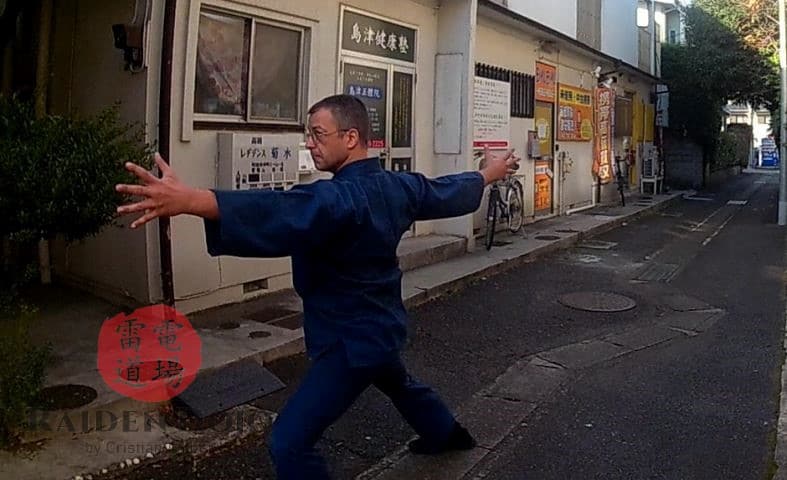
«If you don't want to enter as a patient» you go out and practice the right stretches of walking Singzu Sensei and send me to the small road in front of the Dojo. The world does not seem strange, probably these things happen in the area … However, which techniques have applied me today, it is clear once there exists «magic» 🙂 and that the miracles are among us, it depends on us and our ability to see them!
Some trips by Yagyu Shingan Ryu include Doi Te techniques – Energy management or a kind of Taiji. However, Chinese schools have clearly contributed to training at a certain moment of the Yagyu Shingan Ryu tradition. In addition, we find this walk, more simply, with emphasis on meditation and Zen – Kinhin 経行. And that things will be even more «Zen:» Sensei says to me: «If you don't know how to go out, as you will do when you want to enter» (this on a discussion on meditative and spiritual practices, attested in different dellasos that Sensei has).
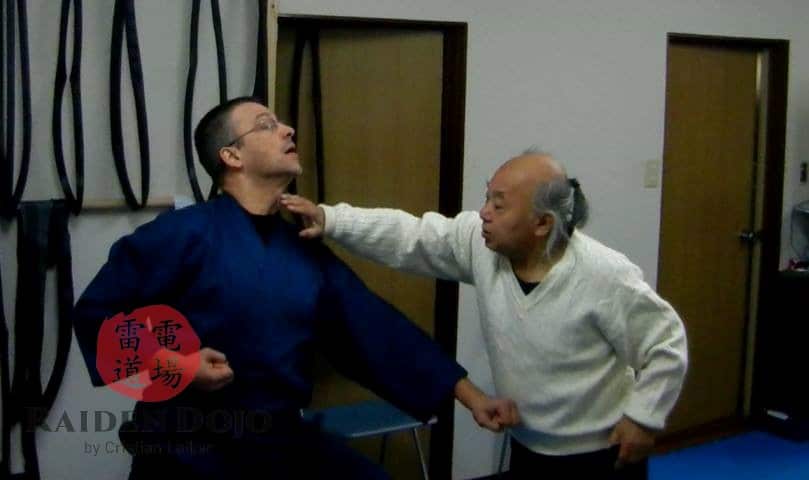
Less patients yesterday, therefore longer for practice. The first three fundamental techniques of the Yagyu Shingan School also include Qigong / Stretching shapes, the stretch of tendons … and obviously being martial practices, they have martial applications (extremely serious). Things seem simple, but this is because Sensei moves so naturally but also lightning. The «martial» form is the formation that allows you to absorb and emit energy easily to have a state of balance, of health despite the external «adversities». The «therapeutic» form is the one in which it helps to expand your balance on someone who needs this balance (patient). More physically speaking, the Sensei also uses bones and even the posts of Yagyu Shingan in the techniques of Kenbiki (Management of tendons, muscles, bones).
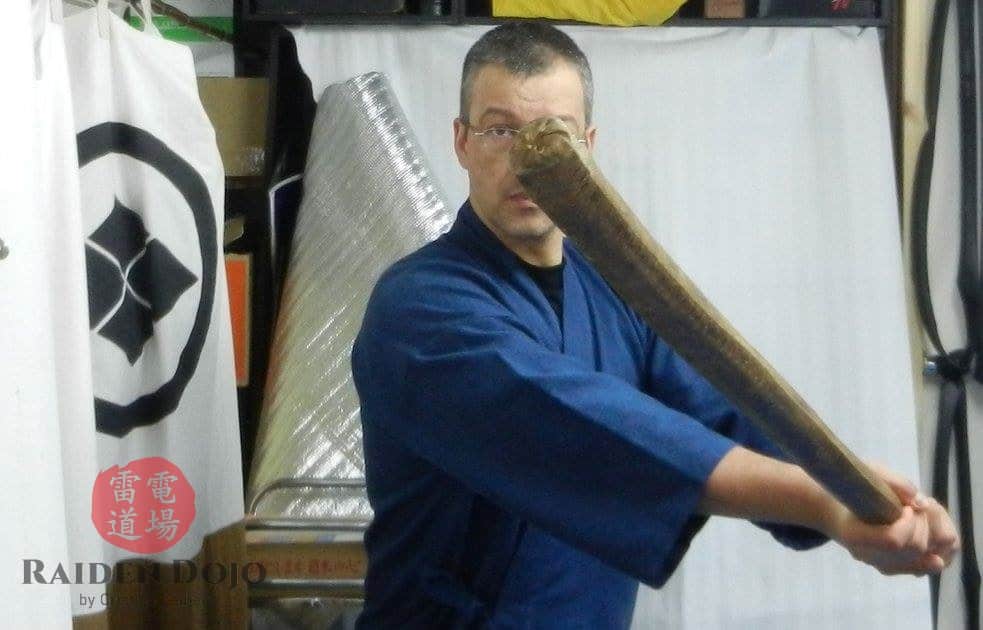
By the impressive collection of Shimazu sensei: a wonder of Fukuro Shinai Ancient what belonged to the Yagyu family. Sensei paid a little fortune for this and tells me that money is not imported, but the state that succeeds possibly. So it didn't seem bad at all and enjoy the times when they work with this Fukuro Shinai. The feeling is special, the bamboo is more often than the standard version with which I have worked so far, clearly harder and above all a skating of time. How many students or masters of the Yagyu school have left their mark on this beautiful piece of museum?
latest posts published

Come try karate for free from June 12th to 30th at KCC
Why join the KCC for the 2025/2026 season?
Why join the KCC for the 2025/2026 season?
What sport can a 4 year old do?
Winning double for KCC
Towards the Coupe de France for the KCC
KCC: the 2023 pre-exam course
What are the belts and ranks in Karate?
What are the different styles of Karate?