

Recent research has shown that stretching before warming up does not bring any benefit and does not increase training performance. Start with a light warm-up and when you feel your muscles are warm and loose, perform two types of stretching: dynamic and static.
2) Your body is smart
Qigong and Kung Fu help us overcome our barriers and find a connection with the Universe. They don’t give us anything new; they simply connect us with the internal strength of our body and the wisdom that already exists within us.
3) Not all training is the same
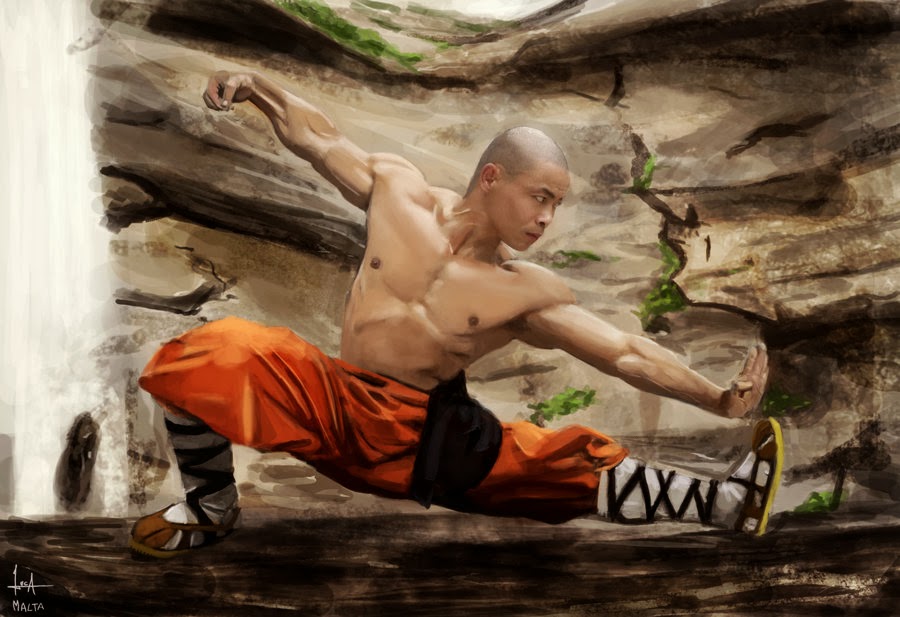
Shaolin kati teach the different muscle groups in our body to work together. They are the only exercises I have seen that can involve all the muscles and work on flexibility, strength, resistance, balance and «explosion» at the same time. As a result, they also end up teaching us how we should move through our daily lives, whether it’s carrying groceries or climbing flights of stairs to the subway. EVERYTHING starts to be part of your training for physical and mental well-being.
4) Balancing Yin and Yang is the key to a healthy and long-lasting life
It is extremely important for people of all ages to combine exercise with Qigong. They are like the two wings of a bird: Qigong changes your “internal body” and Kung Fu changes your “external body”. Qigong pushes us to the max so we don’t burn out.
5) Self-massage is important
Bamboo stick massage creates vibrations that relax stress and tension in the muscles, helps Qi and blood flow, detoxifies the lymphatic system and acts as a natural battery charger for our body.
6) You get what you put in
We consider food as fuel for our body and not as something that only gives us pleasure. This helps us regulate our diet. What we give to our body is what we will receive. If we eat a lot of fast food, the amount of energy received will be small, the quality of the energy received will be low, and the sugar level will decrease. If our diet is balanced, we will receive a large amount of good quality energy and our sugar levels will stabilize.
7) Without mud the lotus does not bloom
The lotus grows only in mud and this can be reflected in ourselves. All our problems and what we don’t like about ourselves form the mud in which our lotus flower will take root and flourish. Beautiful lotus flowers can only arise from what is not beautiful. Everything we experience in our lives can be reversed in a way that helps us become better and better people
Conclusion
Recent studies have reshaped the way we approach stretching in relation to exercise. Evidence indicates that stretching before a proper warm-up does not enhance performance and may even be counterproductive. Instead, a more effective routine begins with a light, gradual warm-up that elevates the heart rate, increases blood flow to the muscles, and prepares the body for more intense activity. This initial movement primes the muscles, joints, and nervous system, reducing the risk of injury and improving overall readiness for training.
Once the muscles are sufficiently warmed up and relaxed, stretching becomes very helpful. Adding both moving and holding stretches at the appropriate moment improves flexibility, movement, and recovery. Moving stretches include controlled, motion-based stretches that reflect the exercises or activities planned for the training session. This form of stretching boosts range of motion, coordination, and muscle readiness while keeping the body prepared for physical effort.
Holding stretches, on the other hand, consist of staying in a position to lengthen the muscles and surrounding tissues. Doing these stretched after the muscles are warm can help with relaxation, lessen tension, and enhance long-term flexibility. By using both moving and holding stretches after warming up, athletes and fitness fans can improve performance, avoid injury, and support overall muscle wellness.
Finally, the main point is timing and order: begin with a gentle warm-up to ready the body, then combine moving and holding stretches for maximum advantages. This method ensures muscles are both ready and flexible, improving training efficiency while reducing the chances of strain or discomfort. Using this strategy builds a safe, balanced, and effective base for any physical activity.
latest posts published
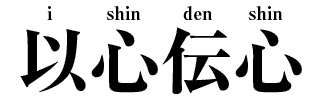
What does the name of our dojo “ishin denshin” mean?

Water: the elixir of life and the secret to optimal hydration
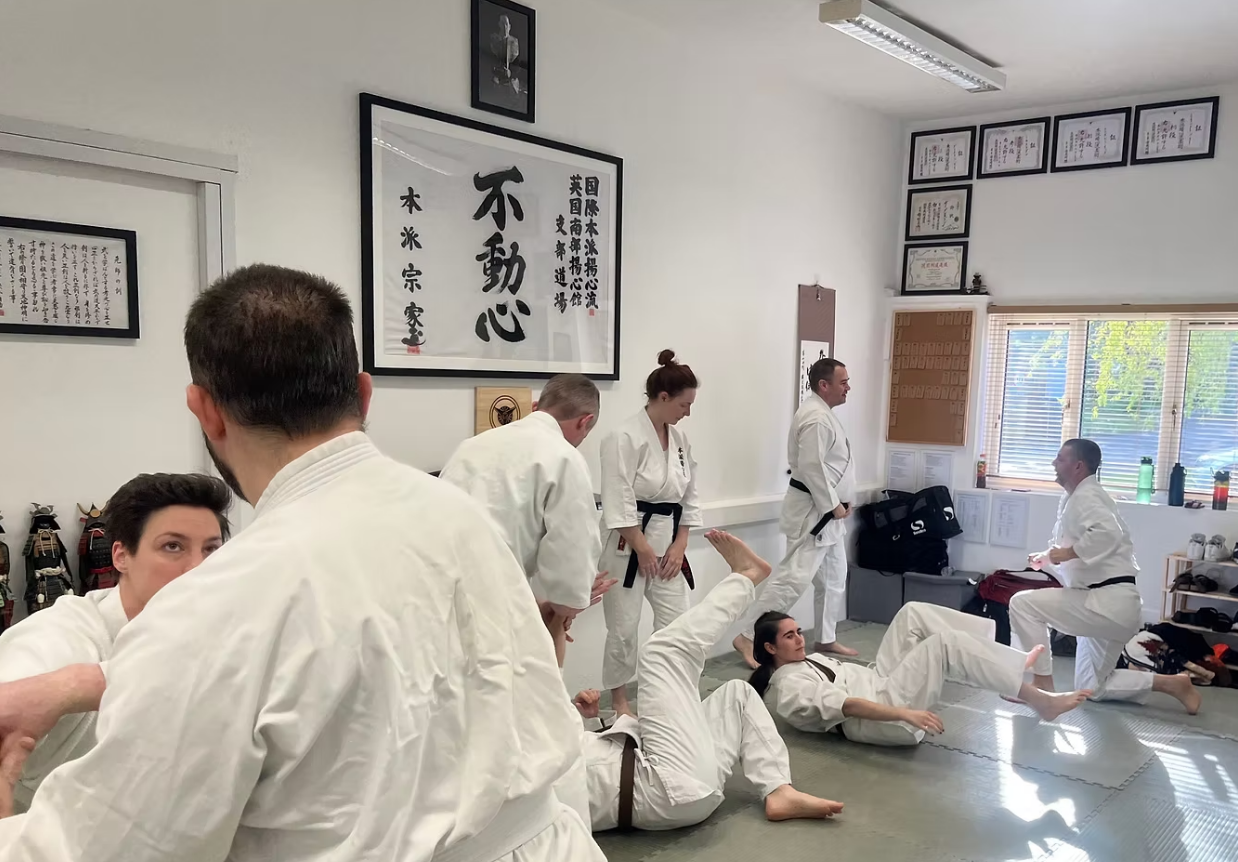
Sempai, Kohai and Dohai: respect for the hierarchical system
What is a dojo (道場)? | At the origins of the word
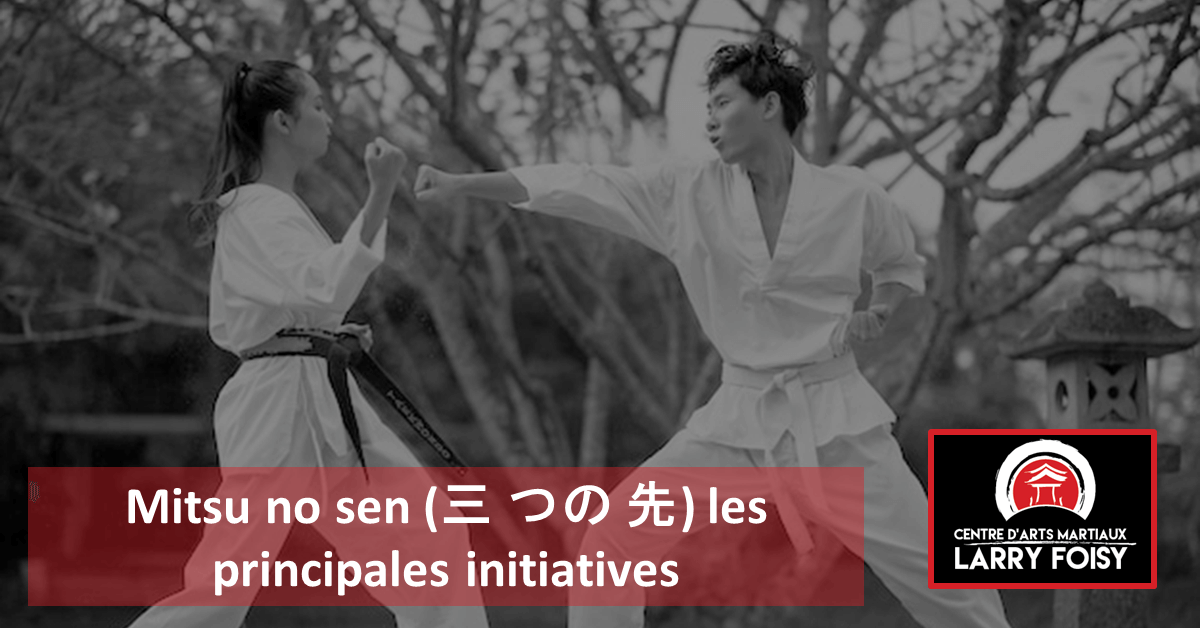
Mitsu no sen (three points) les trois principals initiatives
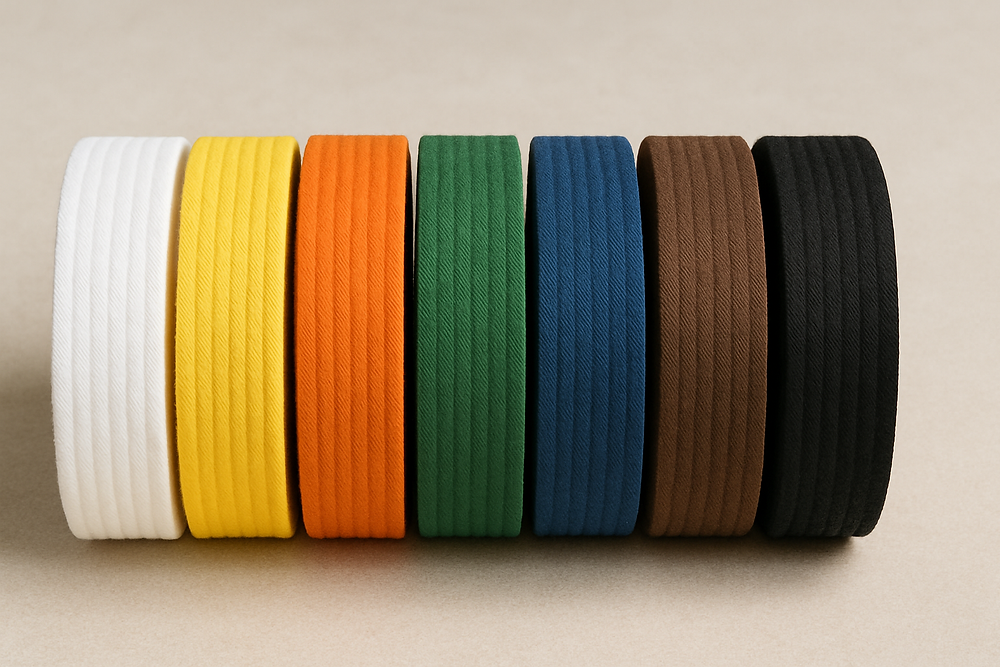
Karate Belts: Understanding the Order of Ranks
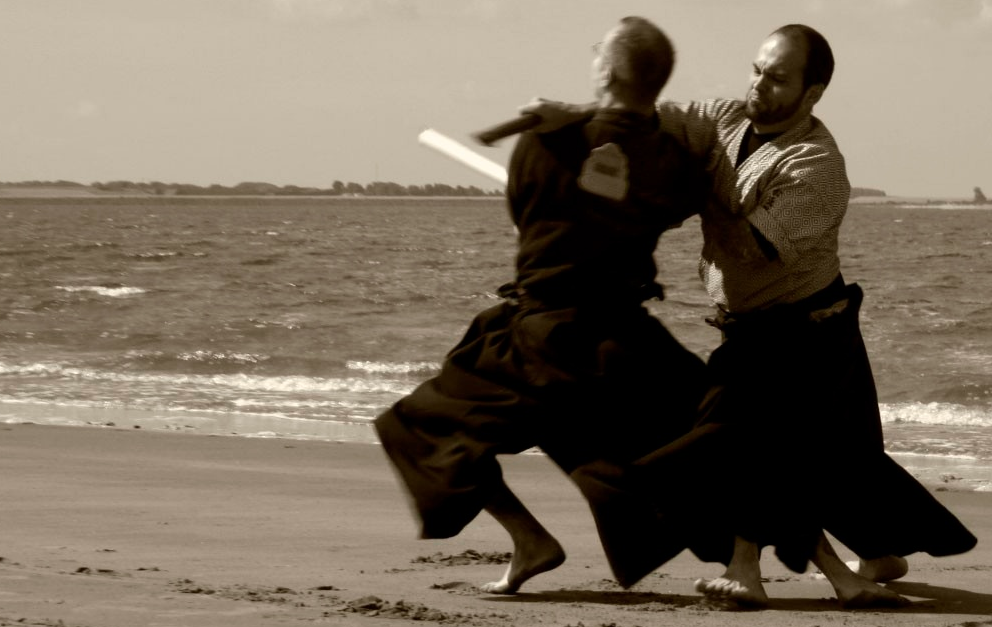
The concept of “Giri”, a profound moral commitment
Kyokun Martial – In karate there is no first attack.
The social economy at the heart of our martial arts center
