

The Karate Club Castelginest is much more than simply a sports place. It is clearly a location where you can acquire karate skills, but also and most importantly, the values of martial arts that come with it. Established many years ago, karate is a Japanese martial art that focuses on effort and improving oneself.
Bravery, respect, dignity, or even modesty, a glimpse of the martial values that can be taught and nurtured at the Karate Club Castelginest.
Loyalty
Loyalty is a primordial value for karate practitioners. It translates into a deep attachment to your club, your teachers and your fellow practitioners.
The members of the Karate Club Castelginest undertake to progress regularly in their practice, to give their best during training and competitions, and to respect the rules established by the club.
Courage
Courage is an essential value in the practice of karate. Being courageous means facing your fears and going beyond your limits to progress. This involves pushing yourself physically, but also mentally to achieve your goals, both during training and during races.
Courage in karate does not just mean being brave on the tatami, but also knowing how to overcome the challenges of everyday life with perseverance and determination.
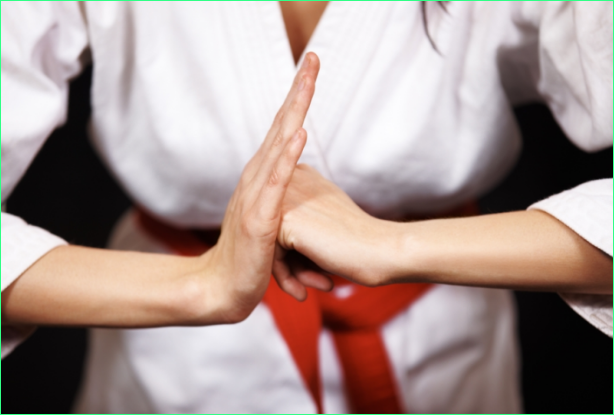
Sincerity
Taken together, martial values make you a good karateka. Sincerity is one of the most symbolic values.
It allows you to be honest with yourself and others, respecting the principles of this martial art. Being truthful involves not lying about your skills or background and being authentic in your practice.
Sincerity also allows you to maintain clear and transparent communication with teachers and classmates to encourage exchange and collective progress.
Kindness
Kindness is a value that allows us to develop a caring and respectful practice towards others. It manifests itself through a positive and empathetic attitude, the desire to help others progress in their practice and the absence of aggression or gratuitous violence.
Being good at karate means being able to control yourself and your movements so as not to hurt your opponent. This also involves listening to your training partners and encouraging them in their practice.
Humility
Humility is a value that allows karate practitioners to remain modest and maintain a respectful attitude towards others.
It involves recognizing one’s limitations, learning from one’s mistakes, respecting more experienced teachers and practitioners, and never allowing oneself to be overwhelmed by pride.
Simply put, being humble in karate means accepting that you are not perfect and constantly trying to improve, while remaining open to constructive criticism.
Respect
Respect is a central value of karate. It manifests itself in a deep respect for teachers, practice partners, opponents and referees.
Respect also implies obedience to the rules and values of karate in all circumstances. Being respectful means knowing how to listen, be listened to and show courtesy towards others.
Respect helps maintain a climate of trust and serenity within the karate club, thus promoting everyone’s growth.
Self-control
Finally, self-control is an essential value for karate practitioners. It’s about controlling your emotions, impulses and gestures to avoid using violence in an offensive or dangerous way.
Self-control also involves staying calm and focused during training and competitions, not getting carried away by euphoria or anger, and maintaining a calm attitude in all circumstances.
To finish
In short, the martial values of karate are multiple and complementary. They allow practitioners to develop an authentic and respectful practice, while cultivating strong moral qualities such as loyalty, honor, courage, sincerity, kindness, humility, uprightness, respect and self-control.
These values are highlighted within the Karate Club of Castelginest, where teachers are committed to instilling them in all practitioners and whatever their level. If this article has made you want to take up karate, don’t hesitate to do so contact us !
Conclusion
The Karate Club Castelginest represents far more than a place to practice martial arts. While students certainly learn punches, kicks, blocks, and kata, the true purpose of the club is to help individuals grow through the timeless values that karate teaches. Every training session becomes an opportunity not only to improve physical ability but also to strengthen character, build confidence, and develop the mindset needed to face challenges both inside and outside the dojo.
Traditional karate is founded on principles that extend well beyond self-defense. Values such as courage, respect, honor, humility, discipline, and perseverance are practiced every time students bow before entering the dojo, listen carefully to their instructors, support their training partners, and strive to improve through consistent effort. These values create an atmosphere where everyone, regardless of age or experience, can learn in a safe, respectful, and encouraging environment.
One of the greatest strengths of a karate club is its sense of community. Students train together, celebrate each other’s progress, and help one another overcome difficulties. Beginners are welcomed with patience, while more experienced practitioners lead by example, demonstrating that true mastery is measured not only by technical skill but also by kindness, responsibility, and humility. This spirit of mutual respect transforms the dojo into a place where lifelong friendships and lasting memories are created.
The lessons learned through karate also have a profound impact beyond training. The discipline developed during practice helps students remain focused in school, the workplace, and daily responsibilities. Courage encourages them to face challenges with confidence, while humility reminds them that there is always more to learn. Respect becomes the foundation of healthy relationships, and perseverance teaches that meaningful success is achieved through consistent effort rather than instant results.
latest posts published
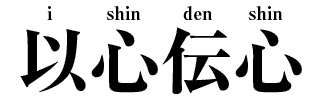
What does the name of our dojo “ishin denshin” mean?

Water: the elixir of life and the secret to optimal hydration
Sempai, Kohai and Dohai: respect for the hierarchical system
What is a dojo (道場)? | At the origins of the word
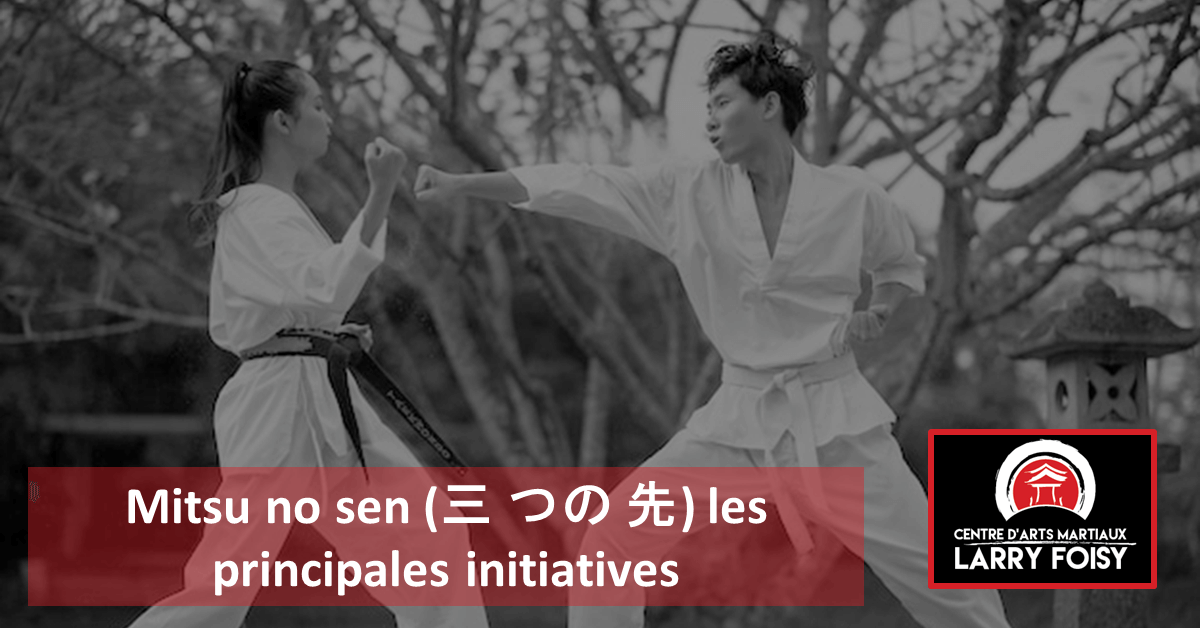
Mitsu no sen (three points) les trois principals initiatives

Karate Belts: Understanding the Order of Ranks
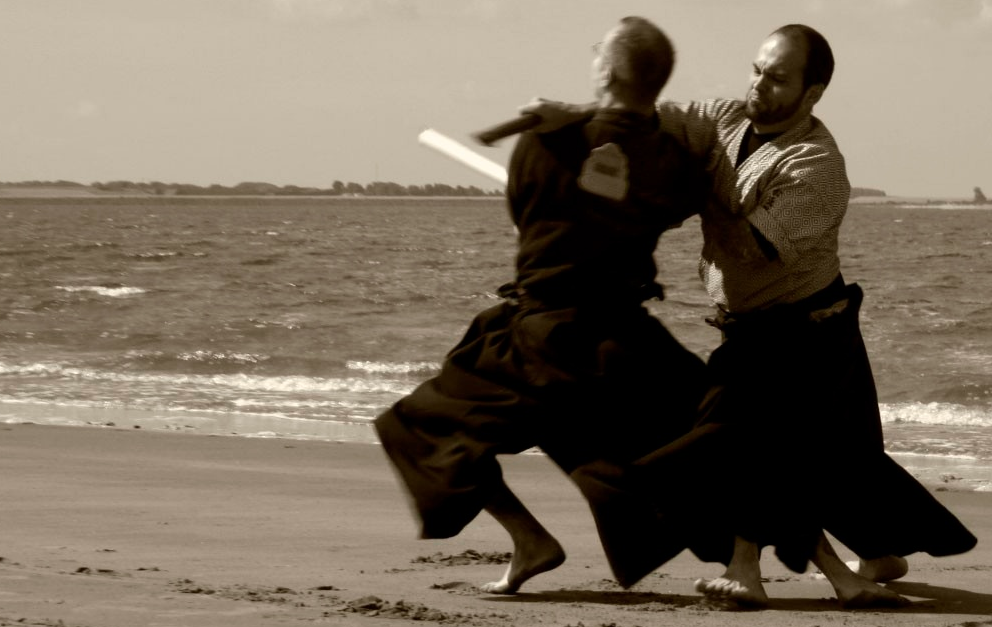
The concept of “Giri”, a profound moral commitment
Kyokun Martial – In karate there is no first attack.
The social economy at the heart of our martial arts center
