
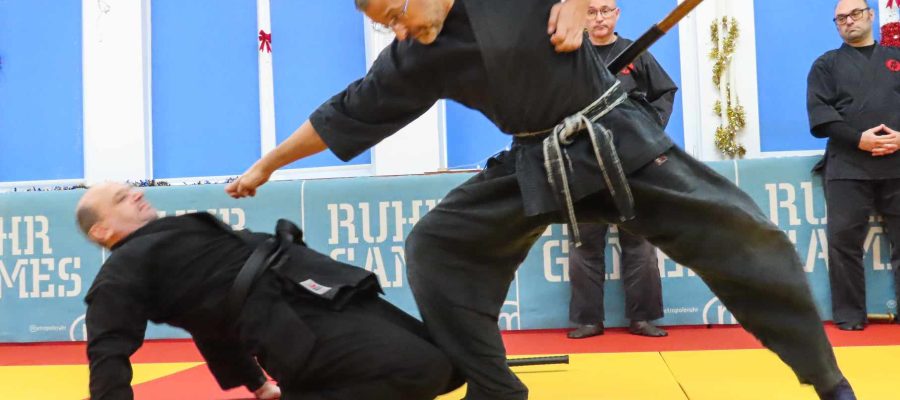
In Bacau it didn’t snow… it didn’t even rain… I remembered that in an interview Bacovia had said that gray is a frequent color in Bacau. On Sunday I understood his words much better. It was cold. A penetrating cold that touched my bones. But nothing dampened my joy at seeing this beautiful city again. And above all the people I met there.
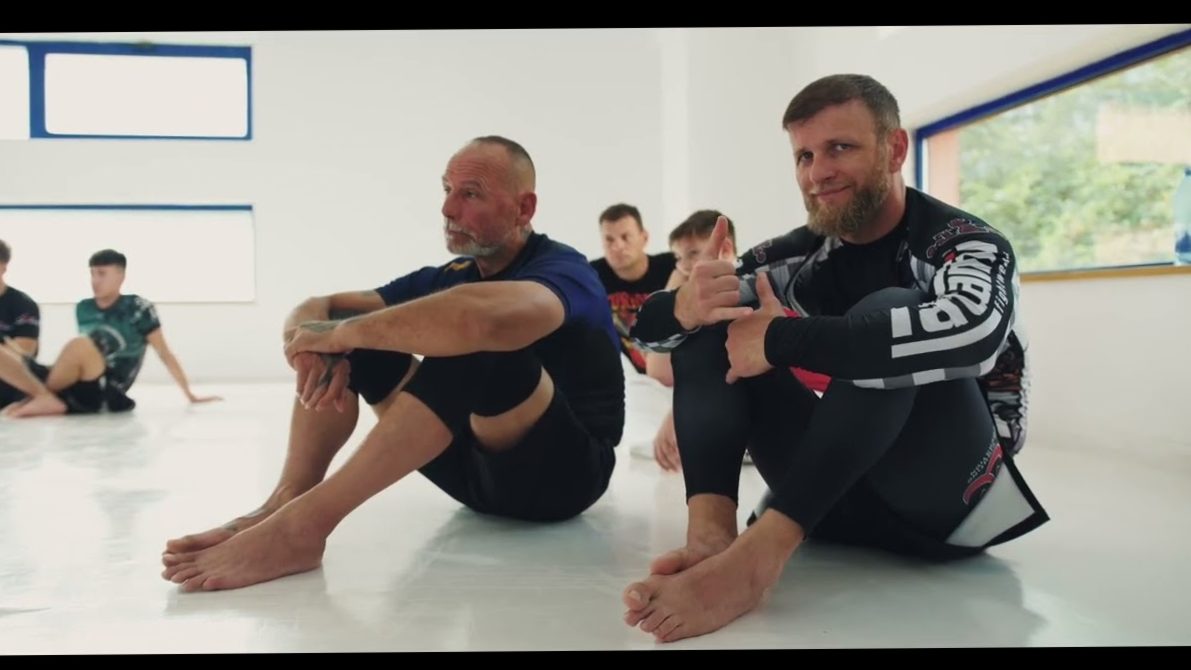
A Journey Through Fear and Courage: Reflections From a Ninjutsu Seminar in Bacău
Returning to Bacău always brings a special feeling. Once again, I had the opportunity to participate in a Ninjutsu seminar organized by Shiroi Okami Dojo, where we explored techniques from Togakure Ryū Biken Jutsu and received an intense introduction to Shinden Fudō Ryū.
Every seminar brings technical lessons, but some experiences go much deeper. This time, the greatest lessons were not only about sword movements or martial techniques. They were about fear, courage, breathing, vulnerability, and learning to understand the battles that exist within ourselves.
Facing Your Own Inner Demons
- When I think about intense martial arts training, I often compare it to a descent into your own personal hell.
- Not a place of punishment.
- A place of confrontation.
- A place where you meet the fears, doubts, and limitations that you usually avoid in everyday life.
- During training, there is nowhere to hide.
- Your body reveals your weaknesses.
- Your mind reveals your insecurities.
- Your emotions reveal what still needs to be understood.
- But the purpose is not to destroy these parts of yourself.
- It is to learn to communicate with them.
- To recognize them.
- To understand them.
- And eventually, to control them.
The Seminar as a Transformation Ritual
Crushing What Holds You Back
- These intense seminars—physical, mental, emotional, and intellectual—feel almost like ceremonies.
- A process where something inside you is challenged and transformed.
- You enter carrying your fears, your doubts, and your frustrations.
- You leave tired, exhausted, but somehow stronger.
- Not because you achieved perfection.
- Not because you became invincible.
- But because you discovered that you can endure.
The modern world often encourages people to hide their struggles behind smiles and appearances. Kind expressions can sometimes conceal insecurity, fear, or internal conflict.
Martial arts offer something different.
They teach acceptance.
They teach that suffering exists.
But they also teach that suffering can be approached with compassion.
Understanding Courage
Courage Is Not the Absence of Fear
One phrase Sensei often repeats stayed with me:
«Courage is not the absence of fear.»
For a long time, I understood the sentence intellectually.
This seminar helped me understand it emotionally.
Courage does not mean never being afraid.
Fear is natural.
Fear means you recognize danger.
Fear means you are aware.
The difference is what you choose to do afterward.
Courage is the decision to continue despite fear.
The Quiet Forms of Courage
I also understood another important lesson from Sensei Cristian Laiber.
Courage does not always appear dramatically.
It does not always arrive with applause or recognition.
Sometimes courage is simply the small voice at the end of the day saying:
«Try again tomorrow.»
Courage can mean speaking when your voice needs to be heard.
But courage can also mean knowing when to stop and listen.
It can mean admitting:
«I need help.»
«I am afraid.»
«I don’t know.»
Those admissions do not represent weakness.
They represent honesty.
And honesty requires courage.
Why Can Martial Arts Teach These Lessons?
Beyond Physical Training
Someone might wonder:
How can a martial arts seminar reveal so many emotional and psychological lessons?
The answer is that traditional martial arts are not only physical exercises.
The arts practiced in Raiden Dojo preserve principles transmitted through Japanese traditions where training was never limited to combat techniques.
The goal was always deeper:
- Understanding yourself.
- Developing discipline.
- Controlling emotions.
- Building awareness.
- Refining character.
The body becomes the tool through which the mind and spirit are trained.
latest posts published
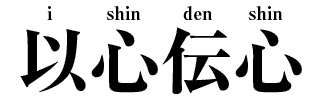
What does the name of our dojo “ishin denshin” mean?

Water: the elixir of life and the secret to optimal hydration
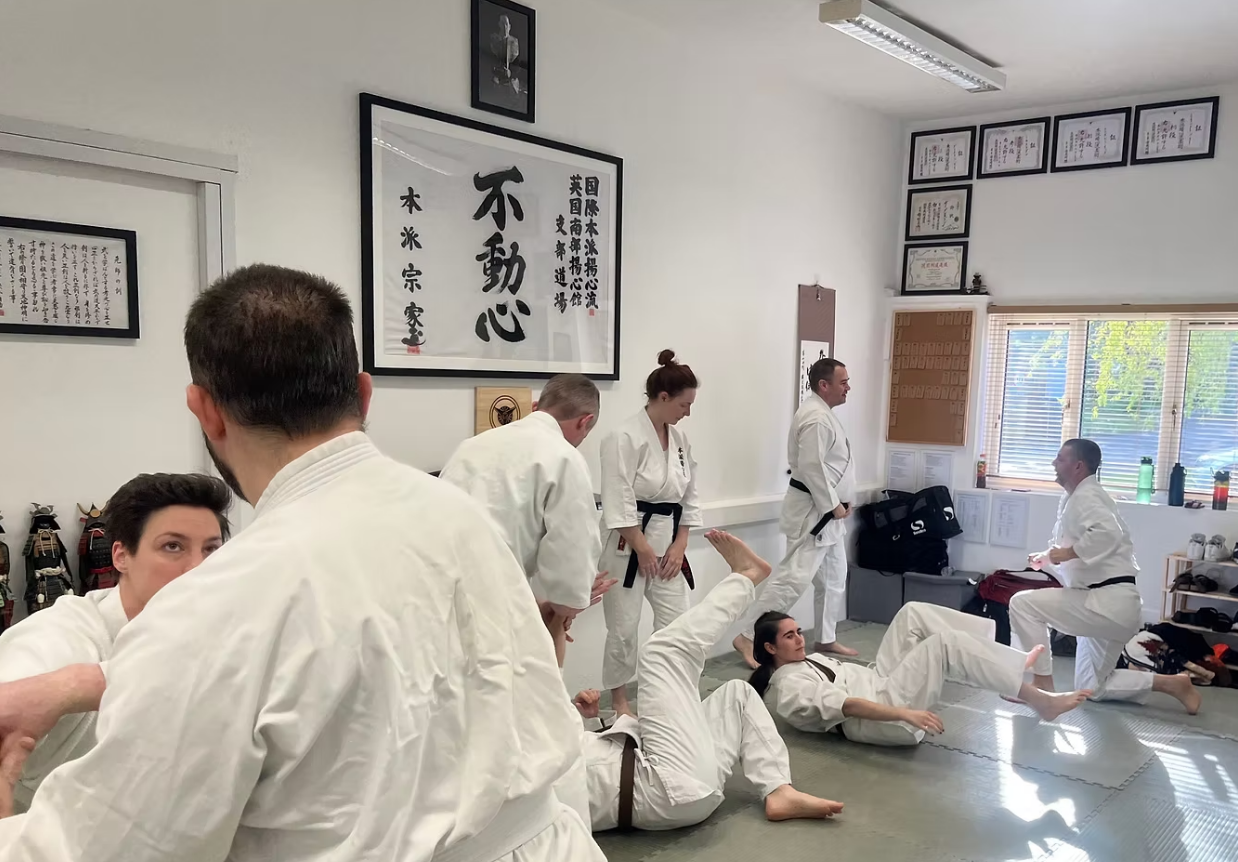
Sempai, Kohai and Dohai: respect for the hierarchical system
What is a dojo (道場)? | At the origins of the word
Mitsu no sen (three points) les trois principals initiatives

Karate Belts: Understanding the Order of Ranks
The concept of “Giri”, a profound moral commitment
Kyokun Martial – In karate there is no first attack.
The social economy at the heart of our martial arts center
