
Naturally, coaches tend to provide a lot of feedback during training sessions. However, several studies focused on learning come to the conclusion that too much feedback provided by another person can interfere with learning the adaptation process that the athlete must make to perform in a real competitive situation. It is clear that too much feedback can make the athlete dependent on the intervention of his coach. This dependency cannot be satisfied in competition and causes poor performance and disappointment on both sides. The “feedback provided during off-field performance” tool therefore recommends giving less feedback to athletes during their learning in training. The strategy is to identify an optimal zone of success. When the athlete shows a performance level around this area, the coach does not provide feedback. If the athlete significantly exceeds the desired level, through a significantly higher or lower performance, the coach can provide feedback. Feedback also benefits from being deferred, in the form of a summary, after some trials (33% of trials and less). It is also suggested to widen the area in which feedback is not provided as the level of the athletes progresses: the more experienced the athletes, the less feedback the coach will have to provide. The use of this tool requires a change of intervention on the part of the coach, he speaks less and observes more before reacting.
Some precautions must be taken to successfully use “feedback provided during off-field performances”. First, some athletes may feel neglected by a coach who speaks less to them. They experience difficulty adapting during the first training sessions. They seek approval from their coach after practice. It therefore becomes important to briefly explain the reasons for this change in intervention. Where this applies, parents and club administrators also need to be reassured about the new way of doing things.
The ideal complement to this strategy is the “interrogation” of the athletes to help them identify the solutions available to them to solve the problems posed by the real demands of the competition. Athlete questions should focus on identifying environmental cues that help them make decisions in action. Whether visual, auditory or kinesthetic, these cues must be concrete and named by the athlete and coach.
It should be noted that even coaches who attempt to use “feedback given during off-field performances” and “questions” step out of their usual comfort zones and go through a brief phase of confusion regarding the immediate effectiveness of their intervention. On the other hand, once established, with a little patience, they are able to see positive results in competitions.
In addition to “feedback provided during off-field performances” and “questions”, the ED offers five other tools of interest to coaches who wish to improve the level of transfer of learning from training sessions to competition. Varied practice, random practice, video feedback, complex information from the beginning and modeling are tools for discovering and experimenting using the three steps described in Joan Vickers’ booklet “Decision Training” translated by Jean-Pierre Brunelle and Janie Tramblay.
Jean-Pierre Brunelle, Ph.D Full Professor, Faculty of Physical Education and Sport, University of Sherbrooke, Canada.
latest posts published
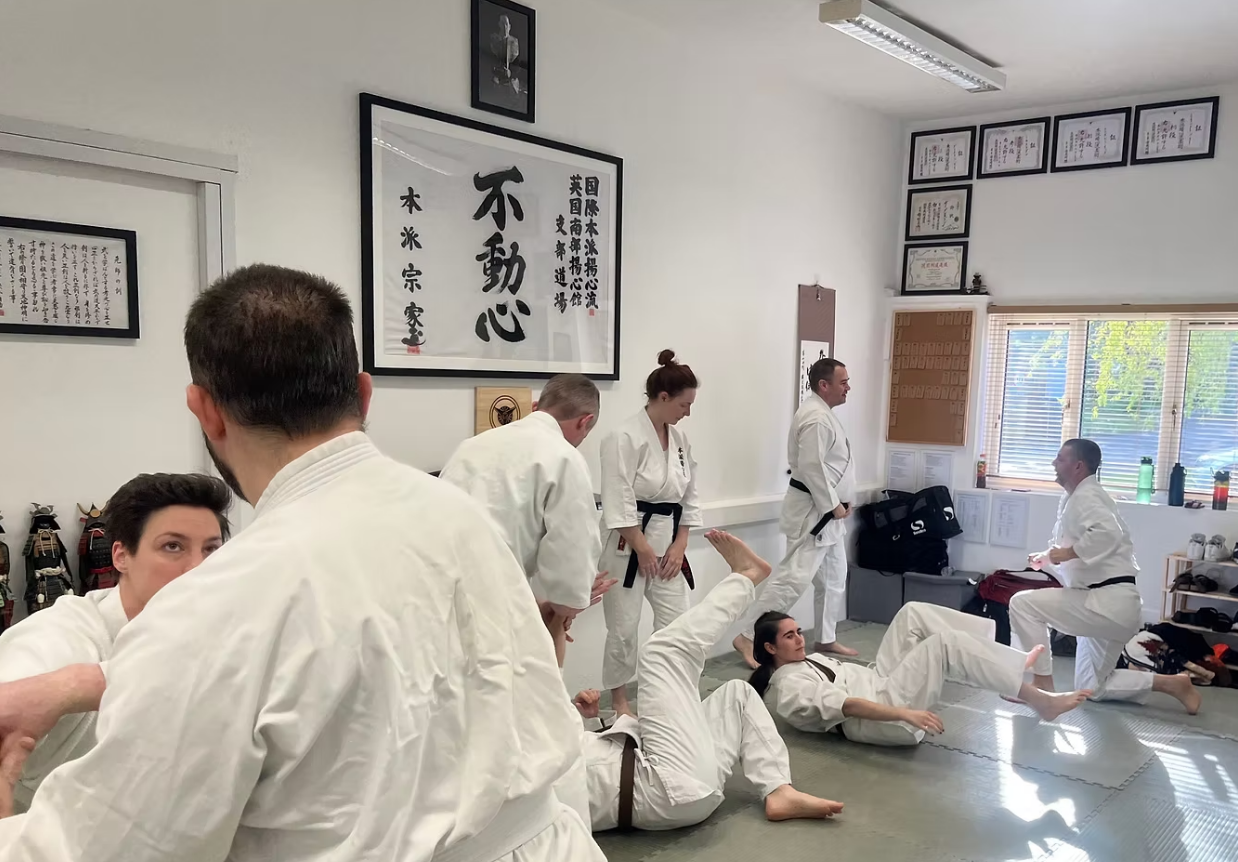
Sempai, Kohai and Dohai: respect for the hierarchical system

What is a dojo (道場)?
Mitsu no sen (three points) les trois principals initiatives

Karate Belts: Understanding the Order of Ranks
The concept of “Giri”, a profound moral commitment

Athlete Imaging | Martial Arts Larry Foisy
Black belts, keepers of knowledge
Kyokun Martial – In karate there is no first attack.

The social economy at the heart of our martial arts center