
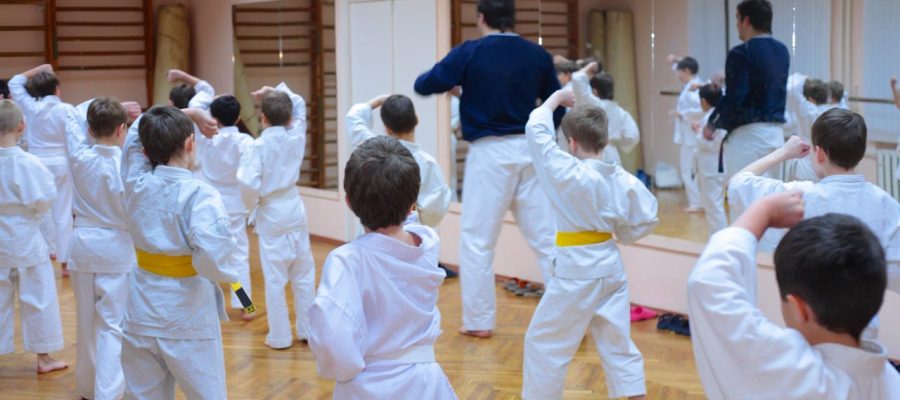
We sometimes get inquiries about the starting age for martial arts classes like karate. Each martial arts school will set the lowest age based on the beliefs of the dojo and the expertise of the instructors, since beginning karate classes for 3 or 5 year old kids is not suitable for everyone.
Karate is a martial art that can easily be modified to fit the needs of all individuals
(kids, teens, adults, and those with physical challenges) but demands changes related to the students. At the Larry Foisy Martial Arts Center, we provide karate classes for kids as young as 3 years old. Some lessons take place in the dojo, but others are also offered directly in preschools, elementary schools, or classrooms. For preschool-aged and nursery school kids, karate should be viewed as a physical activity that involves understanding the mind (feelings, imagination, thinking, etc.) and physical abilities (movements, strength, postures, etc.) to adapt to their surroundings. Lastly, physical skills are techniques that use the body, space, and time to help a person experience their body and the environment to act suitably. (Delièvre Staes, 2006) [1].
Functional physical skills focus on a particular aim and a clear progression, defined by short-term, medium-term, and long-term goals. In fact, the approach that includes short, medium, and long-term objectives (like self-awareness, self-control, and self-knowledge) helps to clearly outline the child’s development. Every learning process involves trying things out, which, for children, includes using the whole body. Clearly, the classes provided follow the mental growth of young children and are linked to tangible and well-known experiences to make learning easier.
Karate is utilized here as a supplement to physical skills
using martial arts to improve interactions with the instructor. Thus, the karate teacher is not merely a figure of authority, but also a true embodiment of the shared vision of martial arts practice. This is exactly why the karate and physical instructor can both promote martial arts values (like respect, control, trust, etc.) along with social and physical growth. By teaching karate, the instructor can emphasize the message that karate does not use violence at school or at home to show anger or settle disputes. The ability to strike in a safe space, hit a target, or shout in a controlled manner will help release pent-up emotions and clarify the difference between actions taken during a guided session and outside of it. At the same time, in every karate class, the child will be able to learn effective methods to relax (for instance, active relaxation and breathing exercises).
A karate class is structured: the child is given a setting that is both strict and adaptable. Strict in its start and finish routines based on mutual respect and the idea of “clear guidelines and clear results,” which kids need to understand in a familiar and secure environment. Adaptable through the teaching material of a diverse and progressive session, which supports the combination of movement skills and the mind.
Karate techniques are also taught in a classic manner either by copying directly (specific directions to be imitated) or indirectly through learning to make choices. (For instance, when you face a barrier you need to reach your goal with your foot. what is your approach?).
In summary, Karate can start as early as age 3, provided the instructor has the abilities, understanding, and flexibility needed to engage with this unique group.
Conclusion
Determining the right age for a child to begin karate is not simply a matter of choosing a number. Every child develops at a different pace, and each dojo establishes its minimum age based on its teaching philosophy, the experience of its instructors, and its ability to provide age-appropriate instruction. While some schools successfully introduce karate to children as young as three or four years old, others prefer to wait until students have developed greater physical coordination, attention span, and emotional maturity. Neither approach is inherently better—the most important factor is ensuring that the training matches the child’s developmental needs.
For young children, karate should focus less on mastering complex techniques and more on building fundamental skills. Activities that improve balance, coordination, listening, teamwork, and self-control create a strong foundation for future martial arts training. At this stage, learning through games and structured exercises keeps children engaged while gradually introducing the values of respect, discipline, and perseverance that define traditional karate.
As children grow older, they become better prepared to understand more advanced techniques, follow detailed instructions, and practice with greater concentration. Their increasing physical and emotional maturity allows instructors to introduce more challenging exercises while continuing to emphasize safety, proper technique, and mutual respect. This gradual progression helps students develop confidence without feeling overwhelmed or discouraged.
Parents also play an essential role in deciding when their child is ready to begin karate. Rather than focusing only on age, they should consider whether their child can participate in group activities, follow simple directions, respect others, and enjoy structured learning. Visiting a dojo, observing a class, and speaking with experienced instructors can provide valuable insight into whether a particular program is the right fit for their child.
latest posts published
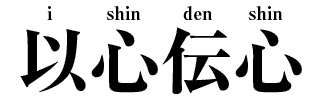
What does the name of our dojo “ishin denshin” mean?

Water: the elixir of life and the secret to optimal hydration
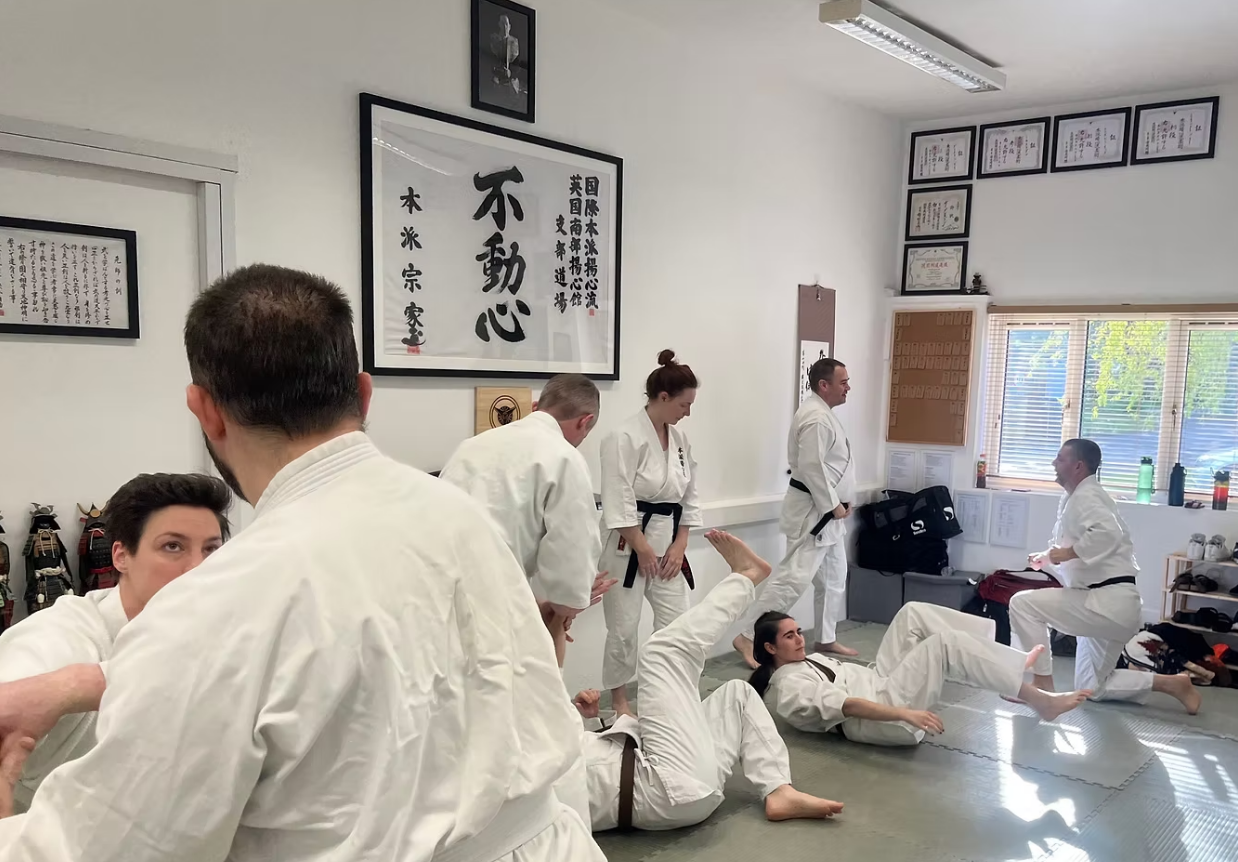
Sempai, Kohai and Dohai: respect for the hierarchical system
What is a dojo (道場)? | At the origins of the word
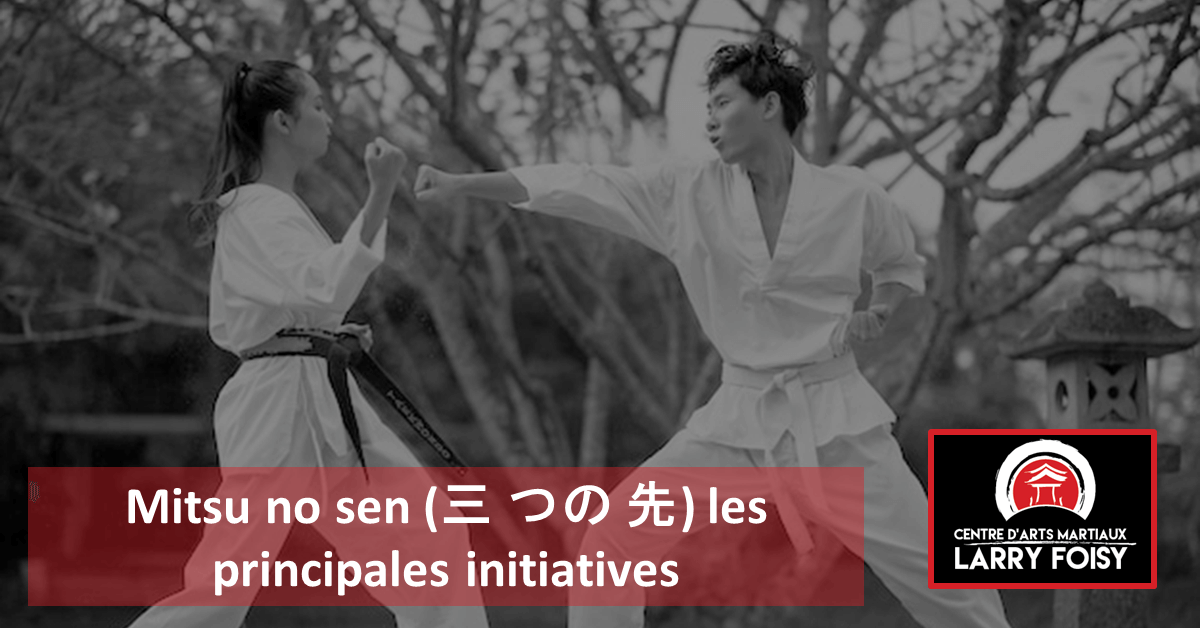
Mitsu no sen (three points) les trois principals initiatives

Karate Belts: Understanding the Order of Ranks
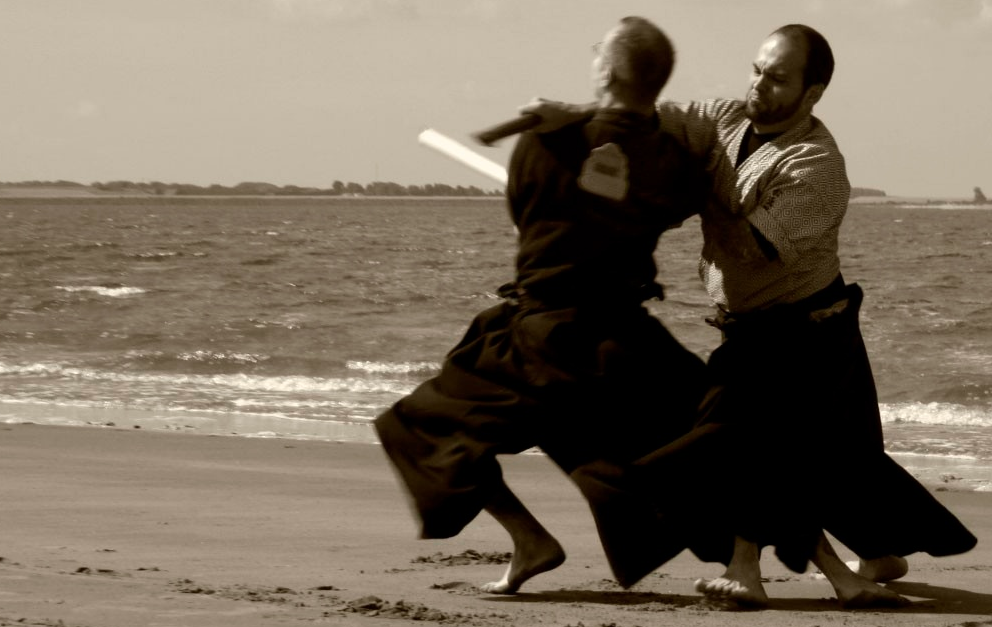
The concept of “Giri”, a profound moral commitment
Kyokun Martial – In karate there is no first attack.
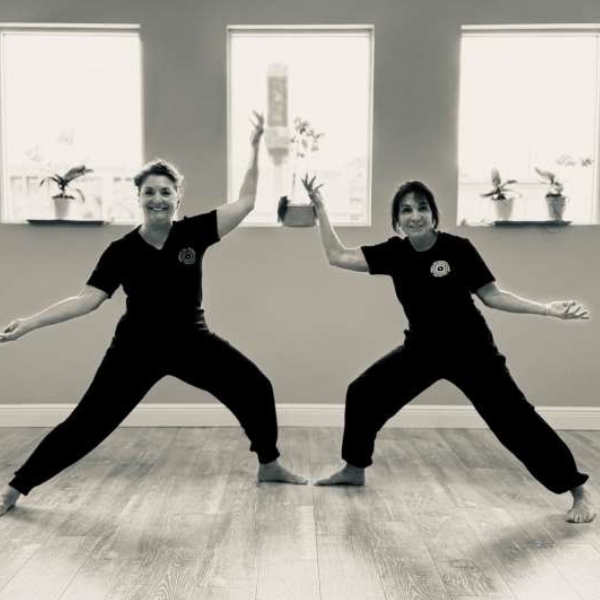
The social economy at the heart of our martial arts center
