
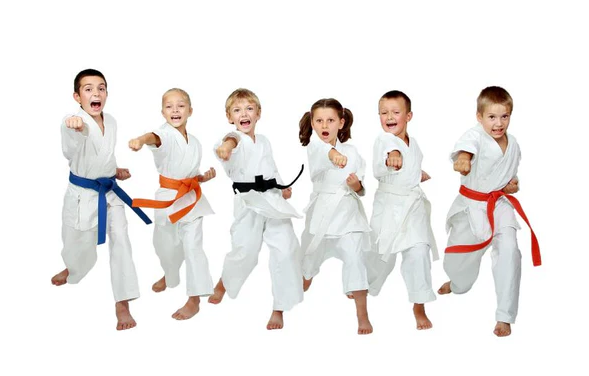
Sign up your child for hockey; it is obvious that he will require skates, a hockey stick, and more. If you enroll your child in soccer, it is clear that he or she will need a pair of cleats. If your child is enrolled in martial arts, it makes sense that you will have to buy a uniform, right?
A kimono, really?!? In karate, the clothing is known as karate-gi. The term gi refers to uniform (so in judo we use a judo-gi, for example). It is not entirely correct or incorrect to describe a kimono as a uniform. The kimono is a traditional Japanese garment, so from this perspective, it is right to say that. However, a robe worn by a geisha is also a kimono. I can’t imagine you practicing karate in that kind of clothing.
Start with track pants
At first, when doing karate, almost nothing is needed. Even as a side note, in Okinawa (the main island of Okinawa archipelago, Japan), it was common to practice in just underwear. But when it became an official Japanese martial art, the DNBK (Dai Nippon Butoku Kai, a Japanese group focused on traditional Japanese martial arts) introduced the white uniform and a teaching method that evaluates learning, modeled after Judo with belt ranks. To begin with, it is completely fine to wear loose, comfortable clothes, like sports pants and a t-shirt.
How much is your uniform worth?
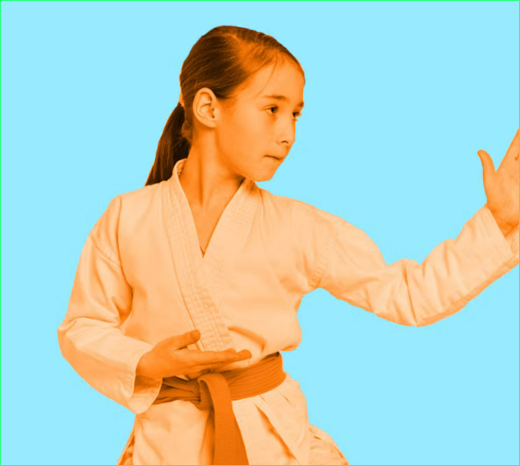
By giving a uniform from the first session, what achievement will your child have gained and what value will it have for him? For this reason, I suggest waiting a few weeks for the child to show good behavior at home, in school, and to be active on the tatami (the traditional Japanese mat used for some martial arts). The club uniform then becomes something to desire that the child must earn if he wants to fit in, creating a feeling of belonging. This is how karate-gi will gain value and why he will take care of it, because it will symbolize his hard work. This idea also aligns with the philosophy of martial arts, which emphasizes ongoing self-improvement.
Do you want to buy a uniform?
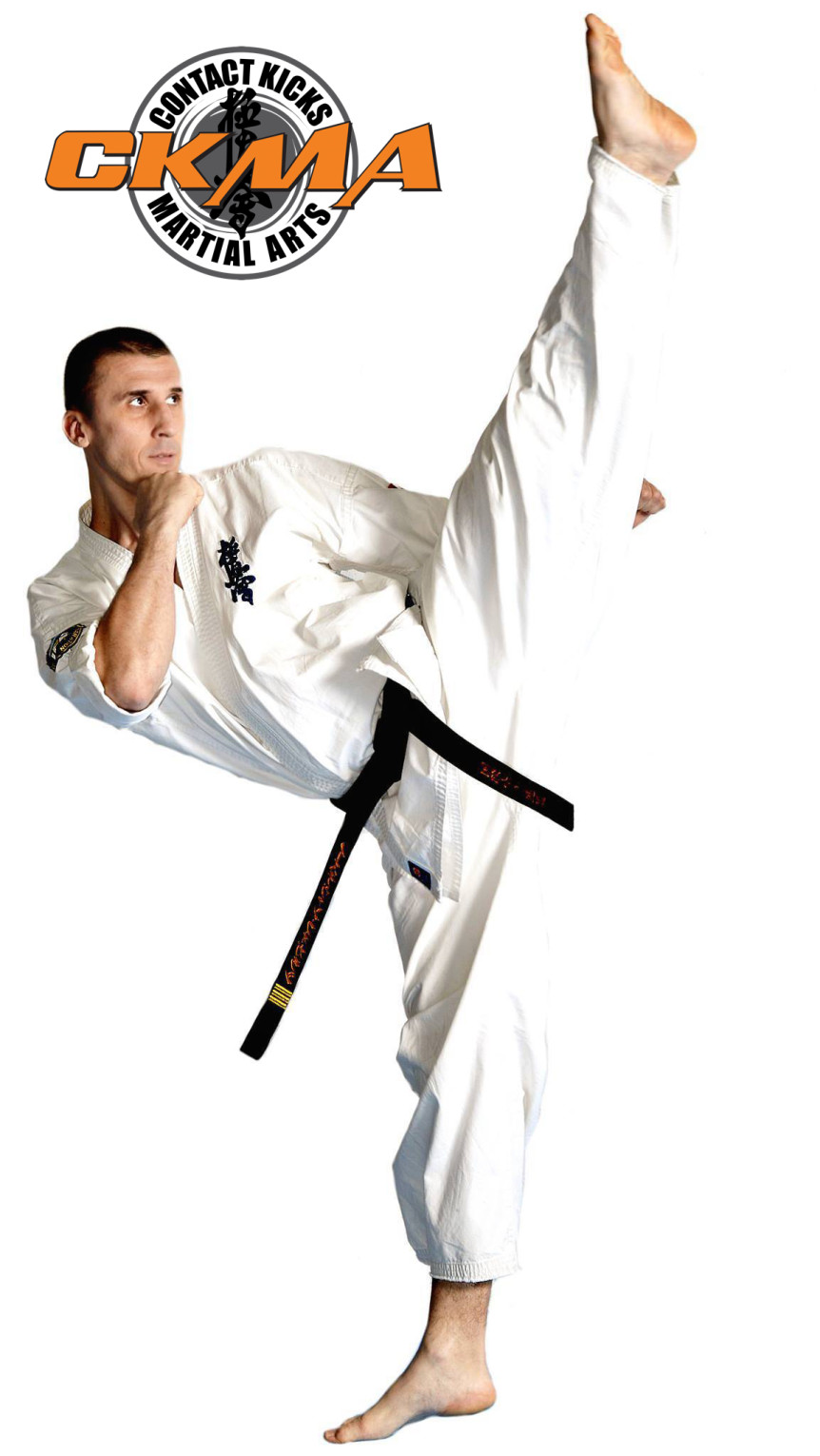
A standard uniform typically consists of trousers, a jacket, a white belt, and an organization logo or stitching on the jacket. To pick the right size, you must think about different things like the type of materials: a uniform made of 100% cotton shrinks when it dries if you use the dryer. Also, based on the club, the uniform worn must follow a color guideline. In our case, we wear the classic white uniform; symbolizes the pursuit of purity and excellence. Then there are different levels of uniforms: basic, intermediate, and advanced. I definitely suggest opting for a basic uniform, usually lightweight, durable, with an elastic waistband for a better fit, made of 65% polyester and 35% cotton. Additionally, especially for girls, it is essential to wear a white sweater underneath the karate gi.
Magasiner nos uniformes de base
In conclusion, just like in all sports and activities, you will need gear, and in my view, practicing martial arts is affordable. It is advised to donate the uniform after a certain time, based on achievements. This will be necessary to take part in official events such as grading tests, competitions, training sessions, and any official gathering to meet the organization’s standards.
Conclusion
A karate uniform is much more than simply the clothing worn during training. While beginners often see it as a required piece of equipment, the karate-gi carries a deeper meaning that reflects the traditions, discipline, and values of the martial art. Understanding the correct terminology and the purpose behind the uniform helps students appreciate that every aspect of karate has been carefully shaped by history and culture.
Although many people casually refer to a karate uniform as a «kimono,» the more accurate term is karate-gi, which literally means «karate uniform.» This distinction is important because the word gi refers specifically to a training uniform, while kimono describes traditional Japanese clothing worn in many different contexts. Using the proper terminology not only improves understanding but also demonstrates respect for the origins of karate and the culture from which it emerged.
The karate-gi is designed with function in mind. Its durable fabric allows students to move freely while withstanding the demands of repeated practice, throwing, grappling, and striking. At the same time, its simple appearance reminds practitioners that the dojo is a place where everyone is equal in their commitment to learning. Regardless of age, profession, or social background, students wear the same uniform, emphasizing humility over status and effort over appearance.
Beyond its practical purpose, putting on the karate-gi often becomes a mental ritual. It marks the transition from everyday life into the focused environment of the dojo. As students tie their belts and prepare for class, they are also preparing their minds to learn, respect their instructors, support their training partners, and give their best effort. Over time, the uniform becomes associated with discipline, perseverance, and personal growth rather than simply with martial arts practice.
For parents introducing their children to karate, purchasing a karate-gi is often one of the first steps in beginning the journey. More importantly, it symbolizes a commitment to learning values that extend far beyond physical techniques. Children quickly discover that wearing the uniform also means behaving with courtesy, listening carefully, and treating others with respect.
Ultimately, whether someone mistakenly calls it a kimono or correctly refers to it as a karate-gi, the most important lesson is understanding what the uniform represents. It is not a costume or a fashion statement but a symbol of dedication, equality, and tradition. Every time a student wears the karate-gi, they become part of a martial arts heritage that values respect, humility, continuous improvement, and lifelong learning. In this way, the uniform becomes not only what a karate practitioner wears but also a reminder of the principles they strive to embody both inside and outside the dojo.
latest posts published
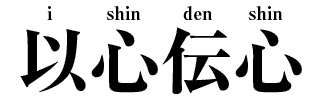
What does the name of our dojo “ishin denshin” mean?

Water: the elixir of life and the secret to optimal hydration
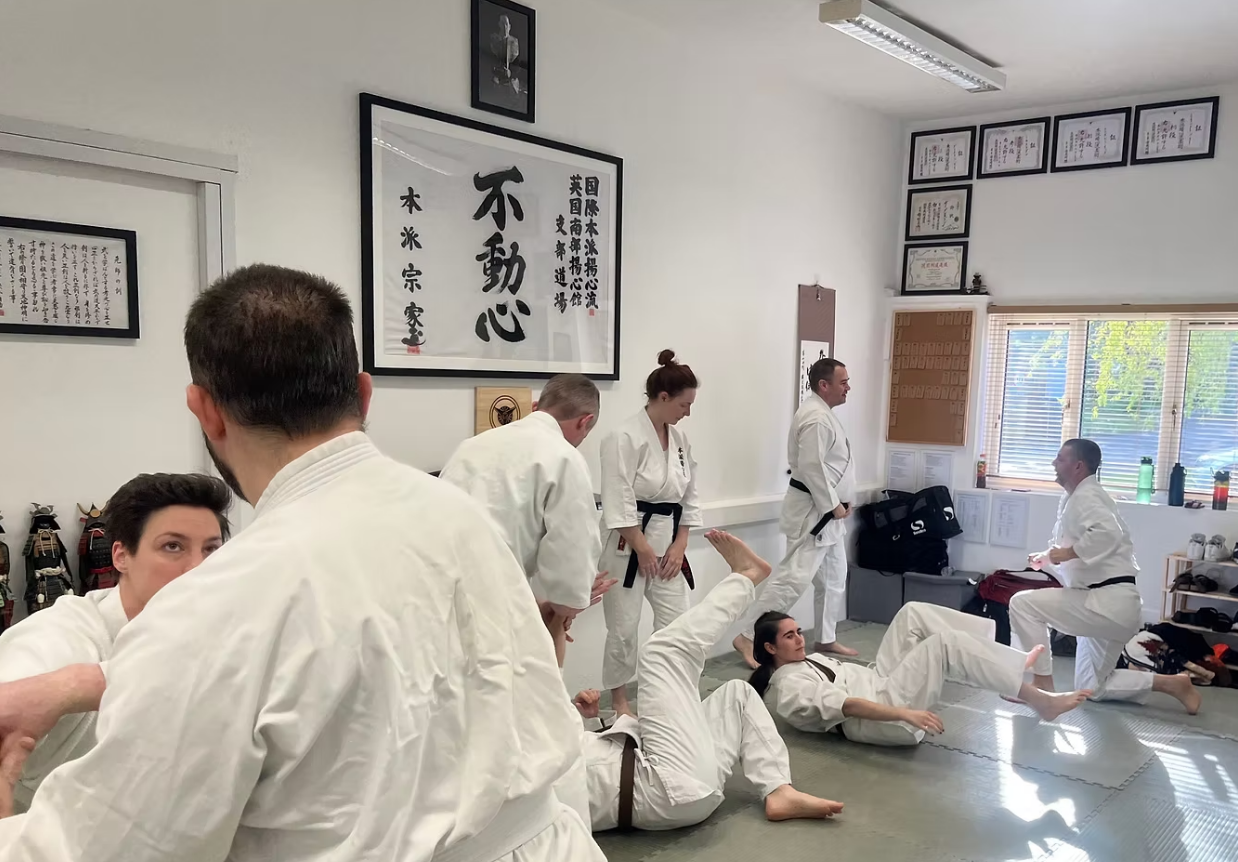
Sempai, Kohai and Dohai: respect for the hierarchical system
What is a dojo (道場)? | At the origins of the word
Mitsu no sen (three points) les trois principals initiatives
Karate Belts: Understanding the Order of Ranks
The concept of “Giri”, a profound moral commitment
Kyokun Martial – In karate there is no first attack.
The social economy at the heart of our martial arts center
