

Learn about the Shotokan style Shotokan is one of the most popular karate styles in the world, with a long history and tradition dating back to early 20th century Japan. With its precise and powerful techniques, Shotokan is a martial art that combines physical and mental strength, demanding discipline, concentration and dedication from its practitioners.
In this article we will explore the Shotokan style in detail, from its history to its main techniques and advantages. Furthermore, we will provide important advice for those who want to start their journey into the world of Shotokan.
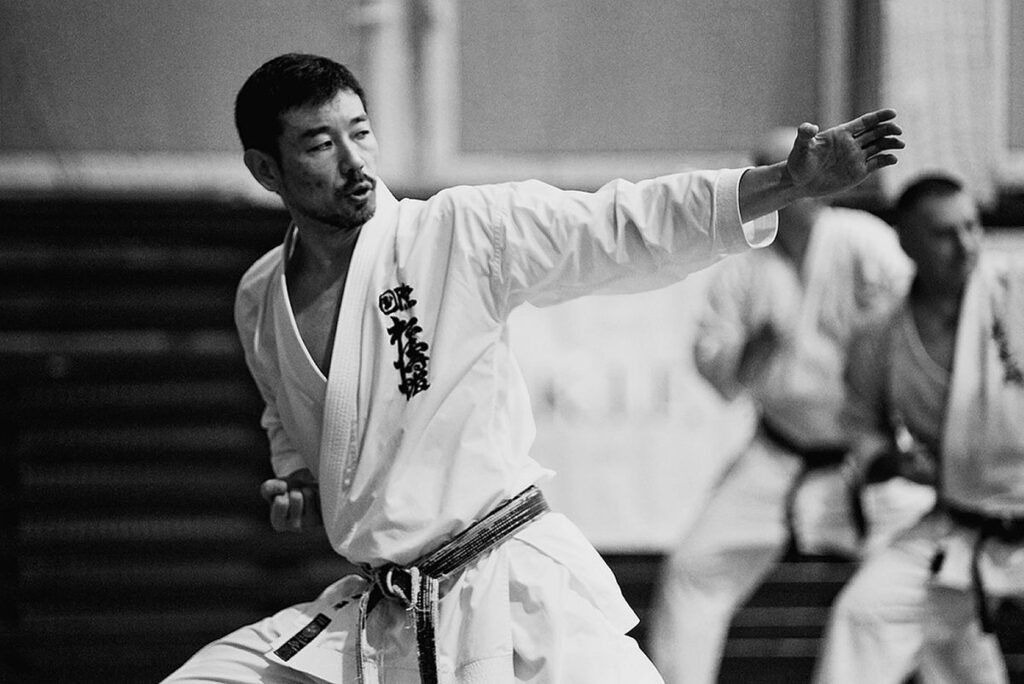
Knowing the Shotokan style – History
Shotokan was created by legendary karate master Gichin Funakoshi, who began teaching the martial art in Tokyo in 1922. Funakoshi developed Shotokan from Okinawan karate teachings, adapting it to the culture and needs of modern Japan.
Since then, Shotokan has grown in popularity to become one of the most practiced martial arts in the world. It is currently an Olympic sport, with millions of practitioners around the world.
Knowing the Shotokan style – Techniques
Shotokan techniques are known for their precision, strength and effectiveness. The style is characterized by direct and fast movements, focusing on kicking, punching and self-defense techniques.
Some of the main Shotokan moves include the gedan barai (low block), the chudan uke (medium block), the oi-zuki (front punch), and the mae-geri (front kick). Additionally, Shotokan emphasizes the importance of mastering basic techniques before moving on to more complex movements.
The benefits of Shotokan
Shotokan is a complete martial art, which offers many benefits to its practitioners. In addition to improving strength, flexibility and physical endurance, Shotokan can also help develop important mental skills such as discipline, self-confidence and self-control.
Other benefits include improved balance, coordination and concentration, as well as a greater sense of well-being and self-esteem. Furthermore, Shotokan can be an effective form of self-defense, teaching useful techniques for dangerous situations.
Tips for beginner practitioners
If you are thinking of starting to practice Shotokan, it is important to keep some tips in mind to make the most of your journey. First, find a reliable and experienced dojo (gym) where you can learn from qualified and experienced instructors.
Also, start slow and focus on proper technique before trying more advanced moves. Don’t be afraid to ask your instructor or training partners for help or clarification, and always remember to listen.
your instructor’s instructions and follow the safety rules.
Another important tip is to exercise regularly, even if it’s just for a few minutes a day. Consistent practice is the key to improving technique and developing important mental skills such as discipline and concentration.
Finally, remember that Shotokan is a journey, not a destination. Be open to learning and continually evolving, and don’t forget to enjoy the process and the friendships you’ll develop along the way.
Conclusion
Shotokan is an exciting and challenging martial art that offers countless benefits to its practitioners. With its precision, strength and effectiveness, Shotokan is one of the most popular disciplines in the world, attracting millions of practitioners of all ages and skill levels.
If you’re looking for a way to improve your physical and mental health, develop self-defense skills, or simply challenge yourself in a new activity, Shotokan could be a great option. So, don’t waste any more time and start your journey into the world of Shotokan today!
Shotokan Karate is a distinguished martial art that has earned worldwide recognition for its precise techniques, disciplined practice, and holistic approach to personal development. Originating in early 20th century Japan under the guidance of Master Gichin Funakoshi, Shotokan combines physical strength with mental focus, requiring practitioners to cultivate not only skill but also character. Its structured training emphasizes powerful strikes, strong stances, and fluid movement, allowing students to develop coordination, agility, and effective self-defense techniques.
Beyond the physical aspects, Shotokan instills values such as discipline, respect, perseverance, and self-control. Each training session challenges practitioners to push their limits while maintaining concentration and mindfulness, fostering both confidence and resilience. The kata, or prearranged forms, are a central component of Shotokan, providing a systematic way to practice techniques while embedding strategic thinking, timing, and situational awareness. This integration of mind and body ensures that learning extends beyond mere physical ability, shaping a balanced and focused individual.
For beginners, Shotokan offers a clear and accessible path to growth. The style’s structured progression and emphasis on fundamentals allow newcomers to gradually build strength, coordination, and understanding of martial principles. At the same time, advanced practitioners continue to refine their skills and deepen their knowledge, demonstrating that Shotokan is a lifelong journey of improvement.
Ultimately, Shotokan Karate is more than just a martial art; it is a path of personal transformation. Its combination of tradition, technique, and philosophy helps practitioners achieve harmony between body and mind, while fostering moral integrity and mental resilience. Whether one seeks self-defense, physical fitness, or personal development, Shotokan provides a rich and rewarding practice that cultivates strength, focus, and character in every aspect of life.
latest posts published
What does the name of our dojo “ishin denshin” mean?

Water: the elixir of life and the secret to optimal hydration
Sempai, Kohai and Dohai: respect for the hierarchical system
What is a dojo (道場)? | At the origins of the word
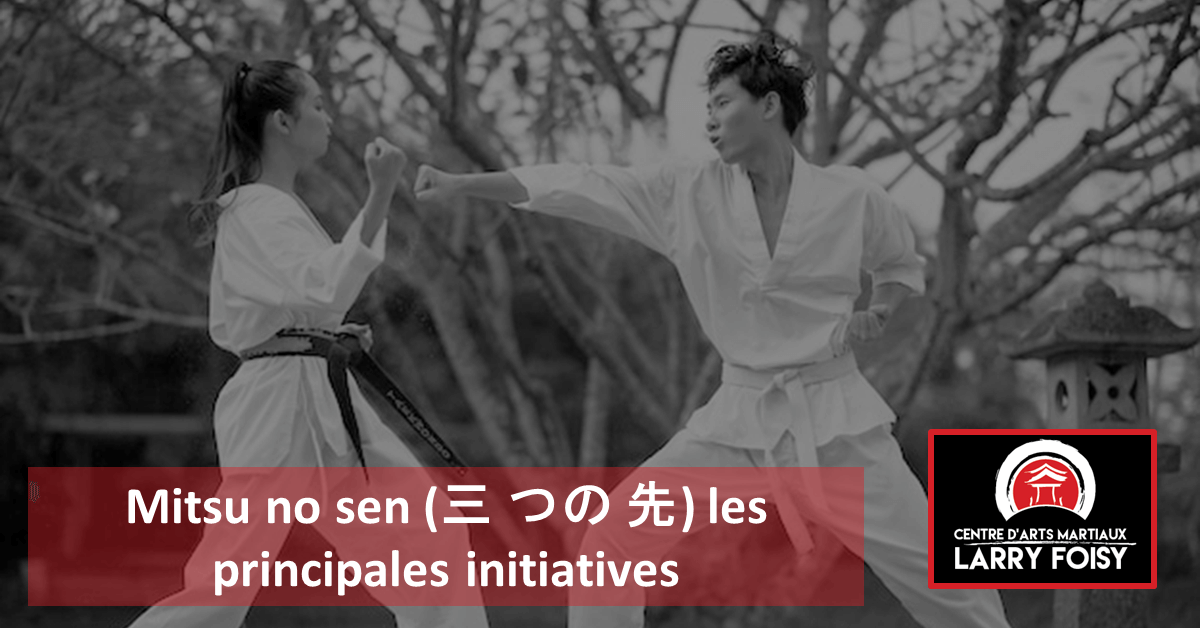
Mitsu no sen (three points) les trois principals initiatives
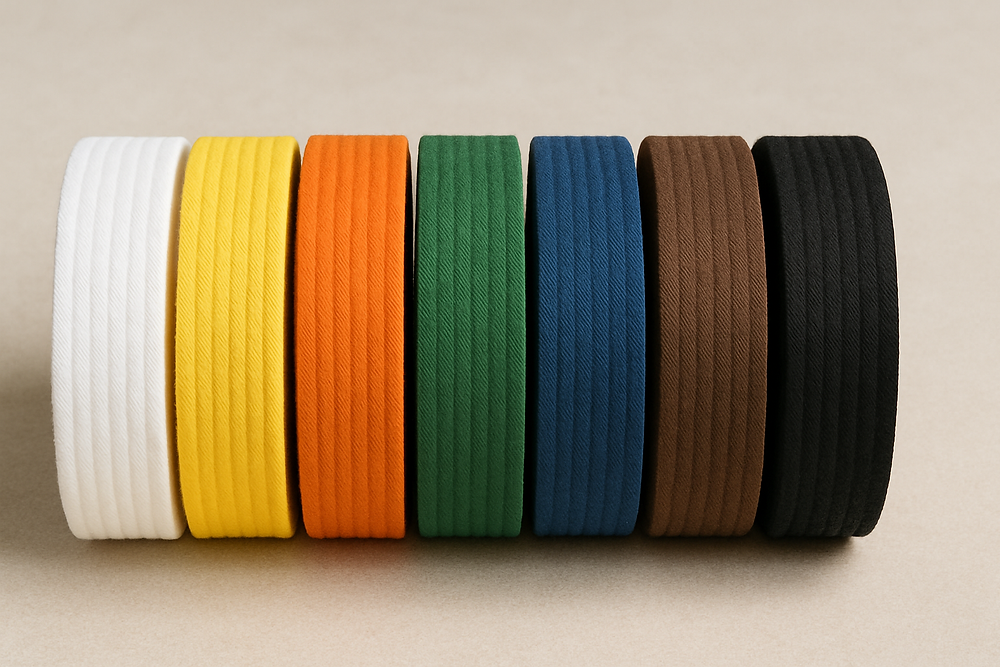
Karate Belts: Understanding the Order of Ranks
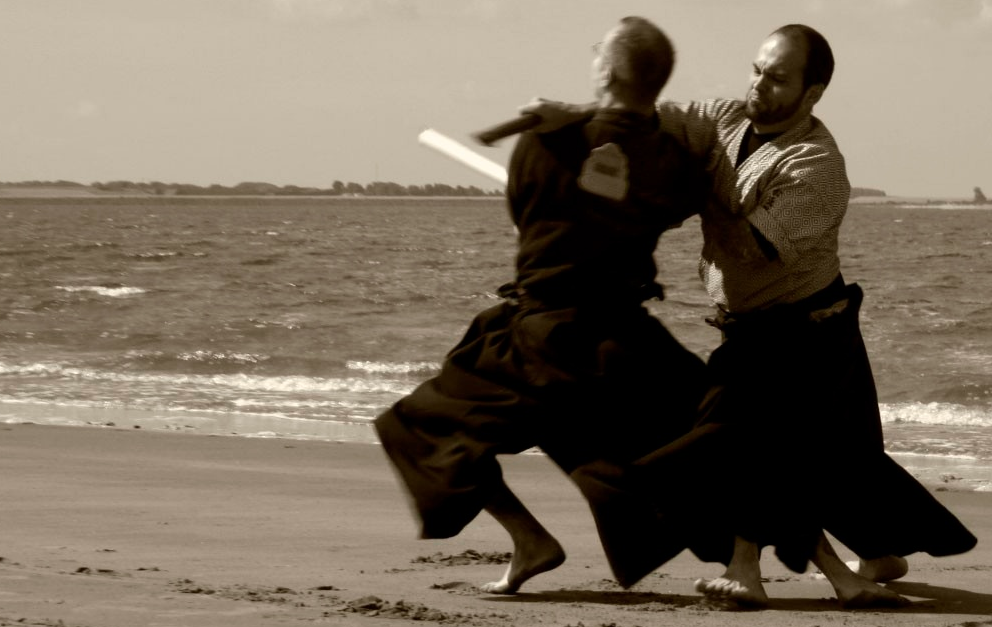
The concept of “Giri”, a profound moral commitment
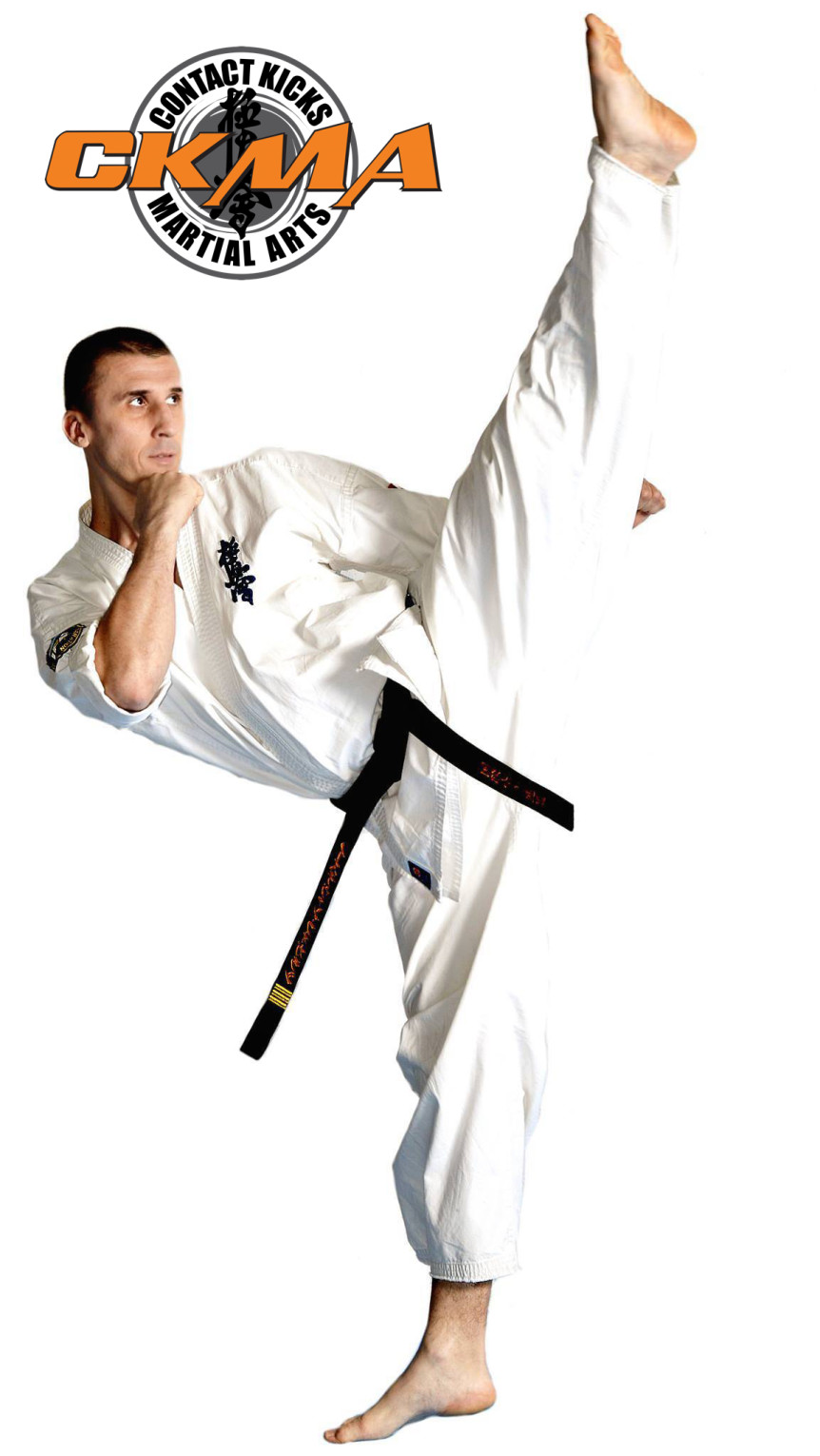
Kyokun Martial – In karate there is no first attack.
The social economy at the heart of our martial arts center
