
In the field of martial arts, there is a basic idea that is often overlooked, yet is essential for reaching high levels of skill: Heijoshi (平常心). This Japanese term directly means “calm and steady mind.” A clear understanding could be: “Keep your mindset steady no matter what happens.” More than just knowing the techniques, Heijoshi represents the skill to keep emotional stability when faced with tough or surprising challenges. Let’s examine how this idea is relevant and changes martial training.
The centrality of the mind in martial arts
In many martial arts the emphasis is often on the body: physical strength, precision and speed. However, without a stable mind, these qualities can quickly lose their effectiveness. Heijoshi reminds us that the mind is the pivot of every successful action. An emotionally disturbed professional is at risk of losing focus, misjudging a situation, or reacting impulsively, which can lead to failure or even injury.
On the contrary, a calm mind allows for clear analysis and adequate reaction, even under pressure. This manifests itself in stable posture, regular breathing, and emotional control, all of which aid in combat effectiveness.
Integrate Heijoshi into training
Physical training alone is not enough to cultivate Heijoshi. Here are some key steps to integrate this principle into your practice:
- Breathing control : Deep, regular breathing is the first step to calming the mind. Exercises such as kokyu (mindful breathing) or Zen meditation can help develop this skill.
- Meditation and mindfulness : These practices promote awareness of one’s emotions and better management of them. Particularly effective is active meditation, in which you focus on the movements and sensations during training.
- Training under stress : Training in environments that simulate the pressure of real combat allows you to test and strengthen your Heijoshi. This may include unexpected scenarios or intensive sparring.
Shikai: moods to avoid
In addition to Heijoshi, there is an important concept called Shikai (四標), which can be translated as “the four things to avoid” in relation to mood. These four disruptive mental states are:
- Kyo (Fear) : Surprise, which can destabilize you and cause an impulsive reaction.
- A (Fear) : Fear, which can paralyze your actions or impair your judgment.
- Gi (suspect) : Doubt, which undermines your confidence and delays your decision making.
- Your (confused) : Confusion, causing hesitation and loss of mental clarity.
Identifying and mastering these states of mind is an integral part of mental training in martial arts. Vigilance towards Shikai is essential to maintaining a clear and stable mind.
Heijoshi beyond the dojo
Heijoshi is not limited to the martial sphere. In everyday life, this principle applies to professional, personal or relational challenges. Maintaining a calm mind in the face of adversity is a valuable skill that promotes wise decisions and greater resilience.
For example, a practitioner who has learned Heijoshi will be able to better handle conflicts at work or remain calm in an emergency situation. It is a transferable skill, which makes martial practice even more rewarding and useful.
Heijōshin (Normal mind) against Fudoshin (Don’t be tempted) they are two Japanese concepts related to the mentality and practice of martial arts, but they differ in meaning and application.
-
- Heijoshin it’s more about general serenity and adaptability.
- Fudoshin it is more focused on mental strength and steadfastness in the face of adversity.
Conclusion
Heijoshi is the very essence of the martial state of mind. It reminds us that, although technique and strength are important, it is the state of mind that determines our success, both on the mat and in life. By cultivating a calm, balanced mind and avoiding the pitfalls of Shikai, we not only become better fighters, but better versions of ourselves.
Heijōshin, often translated as «a calm and steady mind,» is one of the most valuable yet least visible skills a martial artist can develop. While physical techniques are essential, they are only truly effective when supported by emotional balance and mental clarity. A practitioner who remains composed under pressure is far more capable of making sound decisions than one who allows fear, anger, or panic to dictate their actions. In this way, Heijōshin becomes the foundation upon which all other martial skills are built.
Developing a steady mind requires consistent practice. Every training session presents opportunities to strengthen this quality, whether through learning a difficult kata, facing a challenging sparring partner, or overcoming moments of frustration. Rather than reacting emotionally to mistakes or setbacks, practitioners learn to observe, adapt, and continue moving forward. This mindset transforms obstacles into valuable lessons and encourages continuous improvement instead of discouragement.
The importance of Heijōshin extends beyond the dojo. Everyday life is filled with unexpected situations, stressful decisions, and moments of uncertainty. A person who has cultivated a calm and balanced mind is better equipped to respond thoughtfully instead of reacting impulsively. Whether facing challenges at work, resolving conflicts with family and friends, or dealing with personal setbacks, the ability to remain emotionally stable often leads to wiser choices and better outcomes.
One of the greatest misconceptions about martial arts is that strength alone determines success. In reality, physical ability without mental control is incomplete. A highly skilled fighter who loses composure under pressure may struggle to apply their techniques effectively, while someone with a calm mind can often overcome difficult situations through clear thinking, patience, and proper timing. Heijōshin teaches that true power comes not from aggression but from mastering one’s own thoughts and emotions.
Cultivating this mindset is a lifelong journey rather than a destination. Even experienced practitioners continue to refine their emotional control as they encounter new challenges and gain greater understanding of themselves. Every class, competition, and life experience becomes another opportunity to strengthen patience, humility, resilience, and self-awareness. This continuous process reflects one of the deepest purposes of traditional martial arts: the pursuit of personal mastery rather than simply technical excellence.
Ultimately, Heijōshin reminds us that the greatest battles are often fought within ourselves. By maintaining a calm and steady mind regardless of circumstances, martial artists learn to respond with confidence, wisdom, and discipline instead of fear or emotion. This principle not only enhances technical performance but also serves as a guide for everyday life, helping practitioners navigate challenges with balance and integrity. In the end, mastering Heijōshin is not simply about becoming a better martial artist—it is about becoming a stronger, wiser, and more resilient human being.
latest posts published
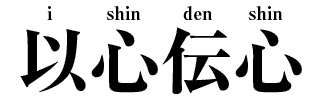
What does the name of our dojo “ishin denshin” mean?

Water: the elixir of life and the secret to optimal hydration
Sempai, Kohai and Dohai: respect for the hierarchical system
What is a dojo (道場)? | At the origins of the word
Mitsu no sen (three points) les trois principals initiatives

Karate Belts: Understanding the Order of Ranks
The concept of “Giri”, a profound moral commitment
Kyokun Martial – In karate there is no first attack.
The social economy at the heart of our martial arts center
