
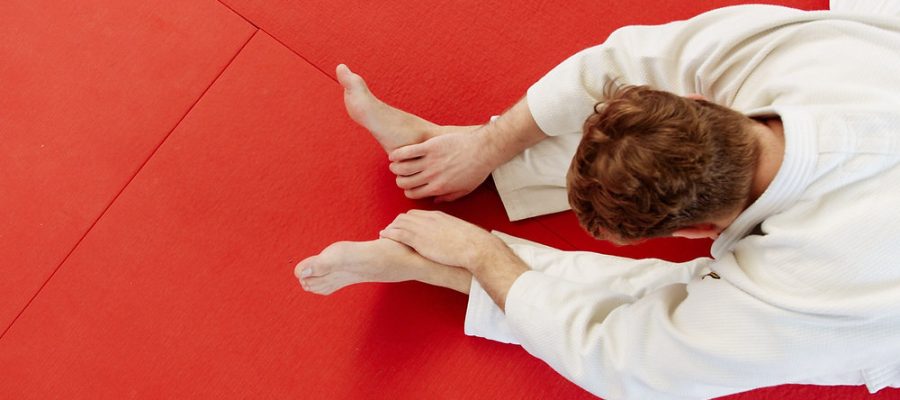
Any karate training begins with a thorough warm-up. This essential step helps prepare your body and mind for exercise, limits the risk of injury and improves performance. In this article we will give you practical advice to warm up properly before karate training, whether you are a beginner or an expert.
Joint warming
Before any physical effort, it is important to perform joint warm-up exercises to prepare the joints for the upcoming effort. These exercises help improve joint mobility, stimulate blood circulation and limit the risk of injury.
Here are some examples of joint warm-up exercises you can perform:
-
Shoulder rotations : Standing with feet shoulder-width apart, rotate arms as widely as possible forward, then backward.
-
Head rotations : Standing with your feet shoulder-width apart, rotate your head, first in one direction, then in the other.
-
Hip rotations : While standing, rotate your hips in full circles in both directions.
Cardiovascular warm-up
Once the joints are warmed up, we move on to the cardiovascular warm-up. The goal here is to increase your heart rate to prepare your body for a more intense and specific effort. As far as the choice of exercises is concerned, karate schools have carte blanche. At KCC we start with 5-10 minutes of jogging, then some specific exercises for the next workout.
Here are some examples of cardio warm-up exercises you can do:
-
The skipping rope : This exercise allows you to work on coordination and cardiovascular resistance. It is also excellent for strengthening legs and ankles.
-
The race : You can run in place or take a short lap around the dojo. This exercise also helps work on cardiovascular endurance.
-
The jumps : Jumps allow you to work on muscular power and cardiovascular resistance. You can jump forward, backward or sideways.
The ideal is to do exercises for 5-10 minutes, gradually increasing the intensity over the minutes. Remember to breathe well during physical activity and not to exceed your limits.
Specific warm-up exercises in karate: the kihon
Kihon is a set of basic technical exercises in karate. This exercise allows you to work on technique, power, coordination and precision. It is also very effective for muscle warming.
Kihon is composed of several basic movements, such as punches, kicks, blocks and movements. For a complete warm-up, it is recommended to perform several sets of kihon, varying the movements and intensity.
Here is an example of a kihon sequence for an effective warm-up:
-
First series: forward and backward movements in different positions
-
Second series: punches while advancing, oï zuki
-
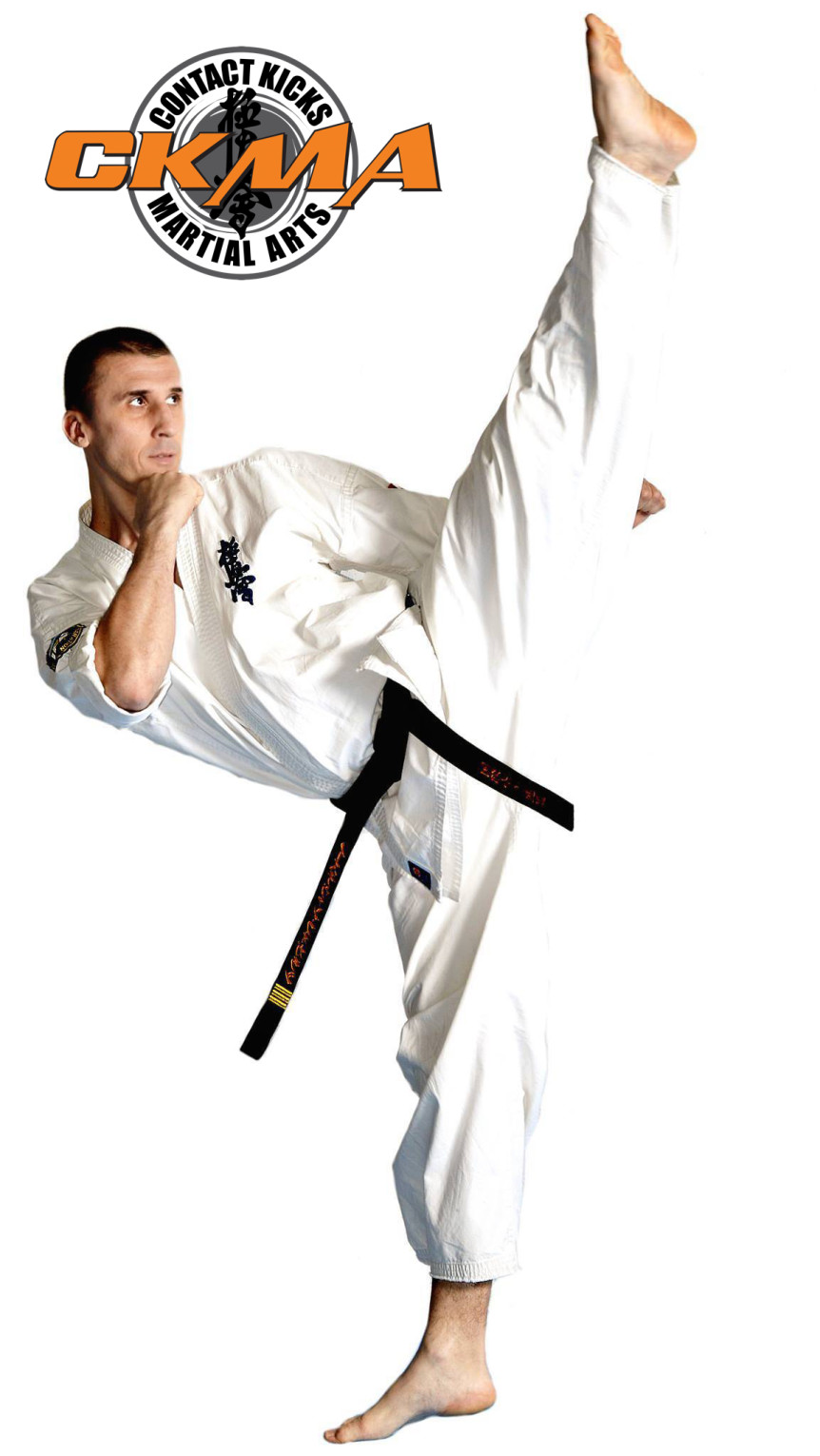
Third set: front kicks, mae geri
-
Fourth series: high blocks, jodan age uke advancing
A good warm-up is essential for any athlete, and even more so in karate. By performing joint warm-ups and cardio exercises, you prepare your body for future effort and limit the risk of injury.
Conclusion
A proper warm-up is one of the most important parts of every karate training session. Although it may seem like a simple routine before the main practice begins, it plays a vital role in preparing both the body and the mind for the physical and mental demands of training. Taking the time to warm up correctly not only improves performance but also helps create safer, more effective, and more enjoyable practice for karate practitioners of all levels.
An effective warm-up gradually increases the heart rate, improves blood circulation, and prepares the muscles and joints for movement. This process enhances flexibility, coordination, balance, and reaction time, allowing techniques to be performed with greater precision and control. Whether practicing kihon, kata, or kumite, a well-prepared body responds more efficiently and is less likely to suffer strains, sprains, or other common injuries.
Equally important is the mental preparation that comes with warming up. Karate is not simply a physical activity; it requires concentration, discipline, and awareness. The first minutes of training provide an opportunity to leave behind the distractions of daily life and focus completely on the practice ahead. Through controlled breathing, purposeful movement, and gradual progression, students enter the right mindset to learn, improve, and perform at their best.
The warm-up should also be adapted to the individual and the type of training being performed. Beginners may focus on developing mobility and learning correct movement patterns, while advanced practitioners often incorporate more dynamic exercises that prepare them for higher-intensity techniques. Regardless of experience, the goal remains the same: to ensure the body is ready to move safely and efficiently while reducing unnecessary physical stress.
Many injuries occur not because techniques are inherently dangerous, but because the body has not been properly prepared to execute them. A few extra minutes dedicated to warming up can prevent weeks or even months of recovery. For this reason, experienced karate instructors emphasize that warming up is never a waste of time but an essential investment in long-term progress and health.
Ultimately, a thorough warm-up reflects the discipline and respect that define traditional karate. It demonstrates respect for one’s own body, consideration for training partners, and commitment to practicing safely and effectively. Whether you are attending your first karate class or have trained for many years, beginning each session with a structured warm-up lays the foundation for successful practice. By making this habit a priority, you not only improve your performance but also support a lifetime of healthy, enjoyable, and productive karate training.
latest posts published
What does the name of our dojo “ishin denshin” mean?

Water: the elixir of life and the secret to optimal hydration
Sempai, Kohai and Dohai: respect for the hierarchical system
What is a dojo (道場)? | At the origins of the word
Mitsu no sen (three points) les trois principals initiatives
Karate Belts: Understanding the Order of Ranks
The concept of “Giri”, a profound moral commitment
Kyokun Martial – In karate there is no first attack.
The social economy at the heart of our martial arts center
