
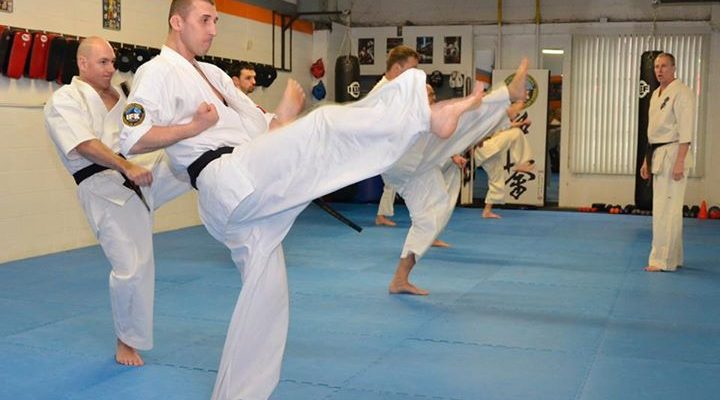
When I started working on this text, I came across a concept that was complicated and tough to grasp: equity. At the same time, I realized that as I keep moving forward on this Budo path, Karate is much more than simply learning to strike, handle weapons, or take down others. This became clearer when I found this saying from Sensei Funakoshi: «Karate is not just about mastering a certain skill, but about thriving as a good and respectable member of the community.»
Thinking about the details of this idea, I wanted to look into it again and see if there were other ways to translate the same Japanese phrase «Karate wa, gi no tasuke.» While searching, I discovered three different interpretations which, although they seem varied, provide me with a glimpse of the core of the message I’m sharing with you:
Kyokun Martial – Karate serves equity.
- Karate supports equity.
- Karate advocates for justice.
- Those who train in Karate should pursue the path of justice.
These variations seem to arise from the translation of the original text, where «GI» could be understood as «fairness» or «justice,» and «TASUKE» as «aiding» or «supporting.» This made it clear to me that when some translations mention «justice,» they do not mean being enforcers of the law but rather imply that we should recognize it as a matter of fairness.
The second idea that resonates with me is the call to be «at the service of,» to be «beside» or to «follow the way of.» My understanding is that Kyokun urges us to set aside our beliefs and egos to consider whether we should follow political correctness or justice.
All of us in the Shorinjiryu Shindo school encounter the third Dojo kun on our journey:
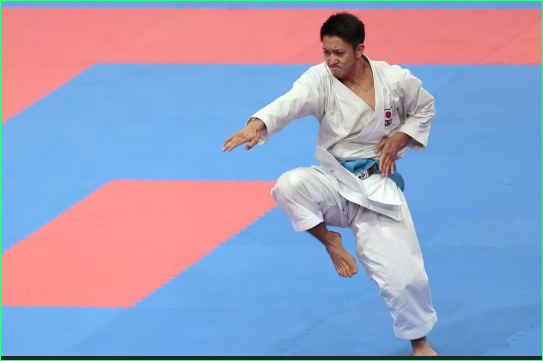
«I seek the pure principles of truth, justice, and beauty.» This dojo rule is closely tied, in my view, to what Sensei Funakoshi expects from us. It informs us that we must serve what is right or just but does not define what fairness or justice is, leaving it up to us to continually seek pure principles and evaluate each situation to determine what is right and act accordingly.
From my own experience, I know that adhering to the principles of equity or justice can be challenging, partly because not everyone shares the same idea of what is right, and partly because we might face disapproval if we oppose the majority’s views or the norms they establish. This has always been the case; even Genwa Nakasone, a teacher, journalist, and friend of Sensei Funakoshi, expressed: «When I look at myself and see that I am right, then my opponents, whether a thousand or ten thousand, cannot stop me.» This clearly suggests that one must exhibit intelligence, judgment, and true strength.
In Bushido, the fighter needs to have the skill to observe, make choices, and select, but he also needs to have the strength to confront actions that may be against him in order to stop him from doing what is right.
Conclusion
The deeper we study karate, the more we realize that its true purpose extends far beyond the practice of physical techniques. Punches, kicks, kata, and self-defense skills are important, but they are only tools used to cultivate something much greater: character. As Gichin Funakoshi emphasized, karate is not merely about becoming a skilled fighter but about becoming a person who contributes positively to society. This perspective transforms karate from a method of combat into a lifelong path of personal and moral development.
The different interpretations of the phrase «Karate wa, gi no tasuke» demonstrate that the richness of traditional martial arts cannot always be captured by a single translation. Each version offers a slightly different perspective, yet they all point toward the same essential truth: karate should be practiced with integrity, fairness, and a sincere desire to help others. Rather than focusing on literal wording, practitioners are encouraged to understand the spirit behind the message and apply it in both training and everyday life.
The concept of equity plays an important role in this understanding. Equity is not simply about treating everyone identically, but about acting with fairness, compassion, and respect according to each situation. Within the dojo, this means supporting beginners with patience, challenging advanced students appropriately, and recognizing that every practitioner follows a unique path of growth. Outside the dojo, it means treating others with honesty, empathy, and responsibility regardless of differences in background or ability.
As martial artists progress, they often discover that their greatest challenges are not physical opponents but the habits and attitudes within themselves. Pride, impatience, selfishness, and prejudice can become obstacles to true mastery. Karate provides a structured environment where these weaknesses can be recognized and gradually replaced by humility, discipline, kindness, and self-control. This internal transformation is one of the most valuable rewards of lifelong practice.
latest posts published
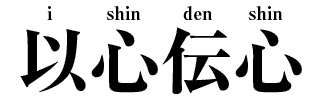
What does the name of our dojo “ishin denshin” mean?

Water: the elixir of life and the secret to optimal hydration
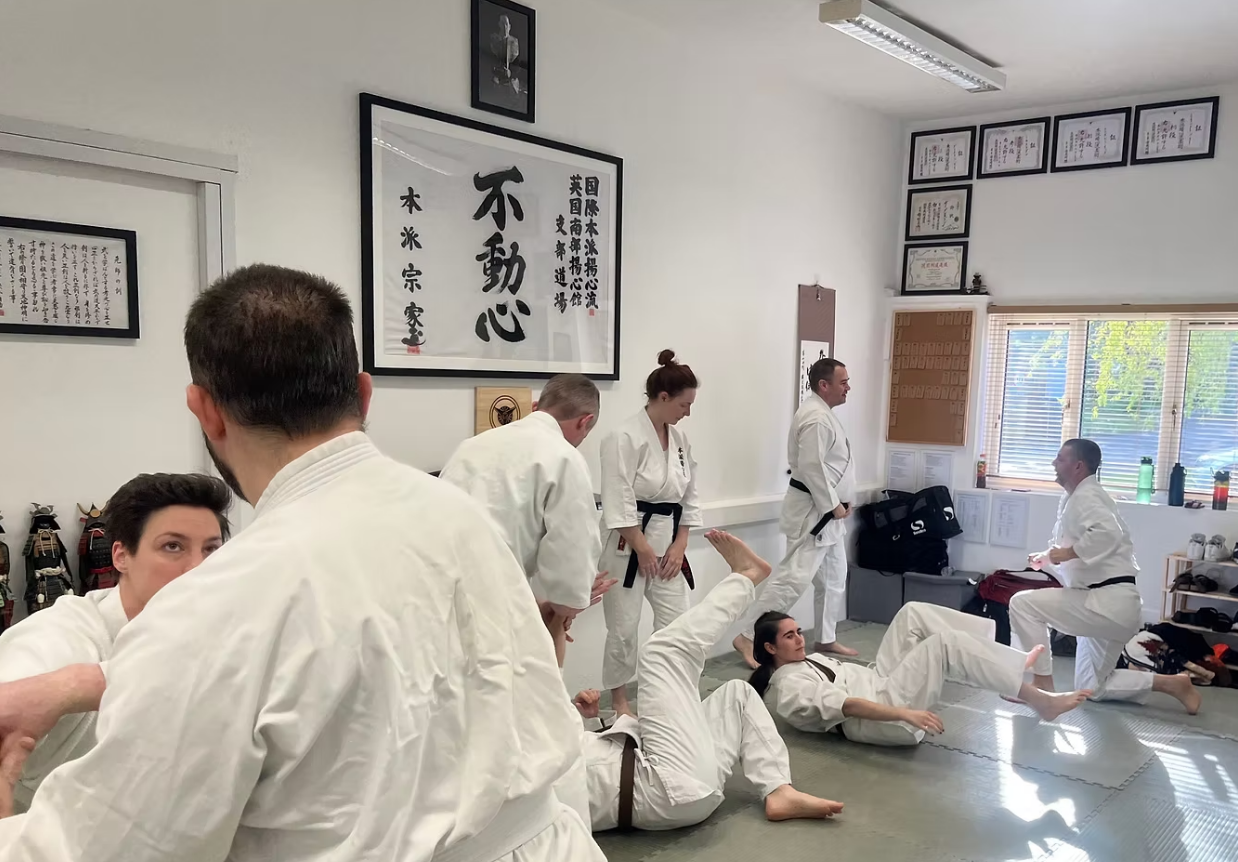
Sempai, Kohai and Dohai: respect for the hierarchical system
What is a dojo (道場)? | At the origins of the word
Mitsu no sen (three points) les trois principals initiatives

Karate Belts: Understanding the Order of Ranks
The concept of “Giri”, a profound moral commitment
Kyokun Martial – In karate there is no first attack.
The social economy at the heart of our martial arts center
