
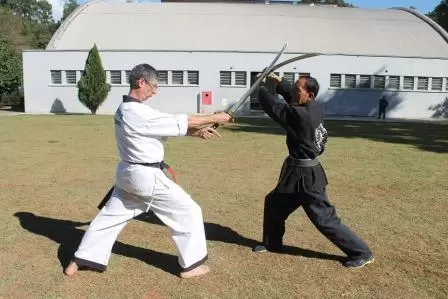
Hwarang Kumdo (화랑 검도) is a martial art that refers to Korean warriors and means Way of the Warrior Sword. It is an art that works with sword fighting.
The sword was used millennia ago in the East to discourage and condemn enemies in war. The sword was respected as much as a member of the martial family. It had a special treatment: it was a symbol of worship. A true martial artist should not kill anyone needlessly, he should have a clear, calm, pure mind and great skill. Mastery of the sword was arduous. More or less 1800 years ago, Korean soldiers also used this weapon to protect their lands and culture. Hwarang Kumdo is a martial art that uses a special technique for using the sword. Its principle is the foundation of early Korean sword training.
Hwarang Kumdo works with broad, circular and direct techniques. Their attack techniques are aggressive and have been prepared and used in combat. Basic training consists of forms and cuts, partner training with attacks and defenses, breathing techniques and meditation.
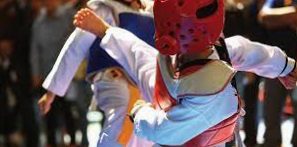
The practitioner’s body must be stable in its center of balance through good posture. Your mental capacity and Ki (inner energy) must be equally focused and calm. The training begins with the internal aspects to develop a calm mind before looking for strength and correct angles in the techniques. Internal strength in sword practice is necessary, since external strength alone produces only stiff and tense techniques. The control resulting from the development of Ki combined with the speed and strength in penetrating the blow produces an effective attack. The practitioner’s body and mind must function as one unit. This is only possible through meditation and concentration. If the mind and body separate, various thoughts can interrupt the speed and power of the practitioner’s strike.
Korean sword fighting
The sword practice encourages the growth of protection, survival, and physical fitness. The skills needed include practicing positions, breathing, stability, and flexibility. Thus, Hwarang Kumdo training asks the student to improve their body coordination and focus to carry out the actions.
Currently, we are getting ready for the competitions. The attacks have been simplified to be utilized in a more effective way so that points can be scored and particular areas on the body can be targeted.
Hwarang Kumdo aims to address some issues in today’s society like overweight concerns and stress. Through training, the Hwarang Kumdo learner will grasp the fundamentals of stance, self-discipline, focus, meditation, and breathing techniques, helping to eliminate stress, laziness, and worries that lead to health issues.
The International Federation of Traditional Hapkido with the World Federation of Hwarang Kumdo and the Brazilian Confederation of Hwarang Kumdo provides Hwarang Kumdo classes. For more details on how to incorporate Hwarang Kumdo into your gym, training, and graduation click here and reach out.
Conclusion
Hwarang Kumdo, meaning “Way of the Warrior Sword,” represents a profound martial tradition rooted in Korea’s history and the legacy of its elite warriors, the Hwarang. Unlike purely combative disciplines, this art emphasizes the cultivation of the mind and spirit alongside technical skill. The sword, central to Hwarang Kumdo, was historically treated not merely as a weapon but as a symbol of respect, discipline, and moral responsibility. A true practitioner is expected to maintain clarity, calmness, and purity of intent, using the sword with precision and restraint rather than unnecessary violence.
The art traces its lineage back nearly 1,800 years, when Korean soldiers employed the sword to defend their lands and preserve their cultural values. This long history underscores the importance of mastery, patience, and dedication, as the path of the sword demands both physical skill and mental discipline. Hwarang Kumdo’s techniques, derived from early Korean sword training, focus on harmonizing movement, posture, and awareness to achieve both effectiveness and elegance.
Practicing Hwarang Kumdo goes beyond acquiring fighting abilities; it is a journey of personal growth, self-control, and cultural connection. The rigorous training cultivates respect for tradition, ethical conduct, and the art itself, emphasizing that the power of the sword is inseparable from the wisdom of its user.
Ultimately, Hwarang Kumdo embodies the integration of technique, character, and heritage. By studying this martial art, practitioners not only develop proficiency with the sword but also deepen their understanding of discipline, responsibility, and the rich history of Korean martial culture. It teaches that mastery is as much about cultivating the mind and spirit as it is about perfecting the blade
latest posts published
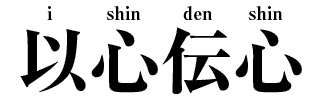
What does the name of our dojo “ishin denshin” mean?

Water: the elixir of life and the secret to optimal hydration
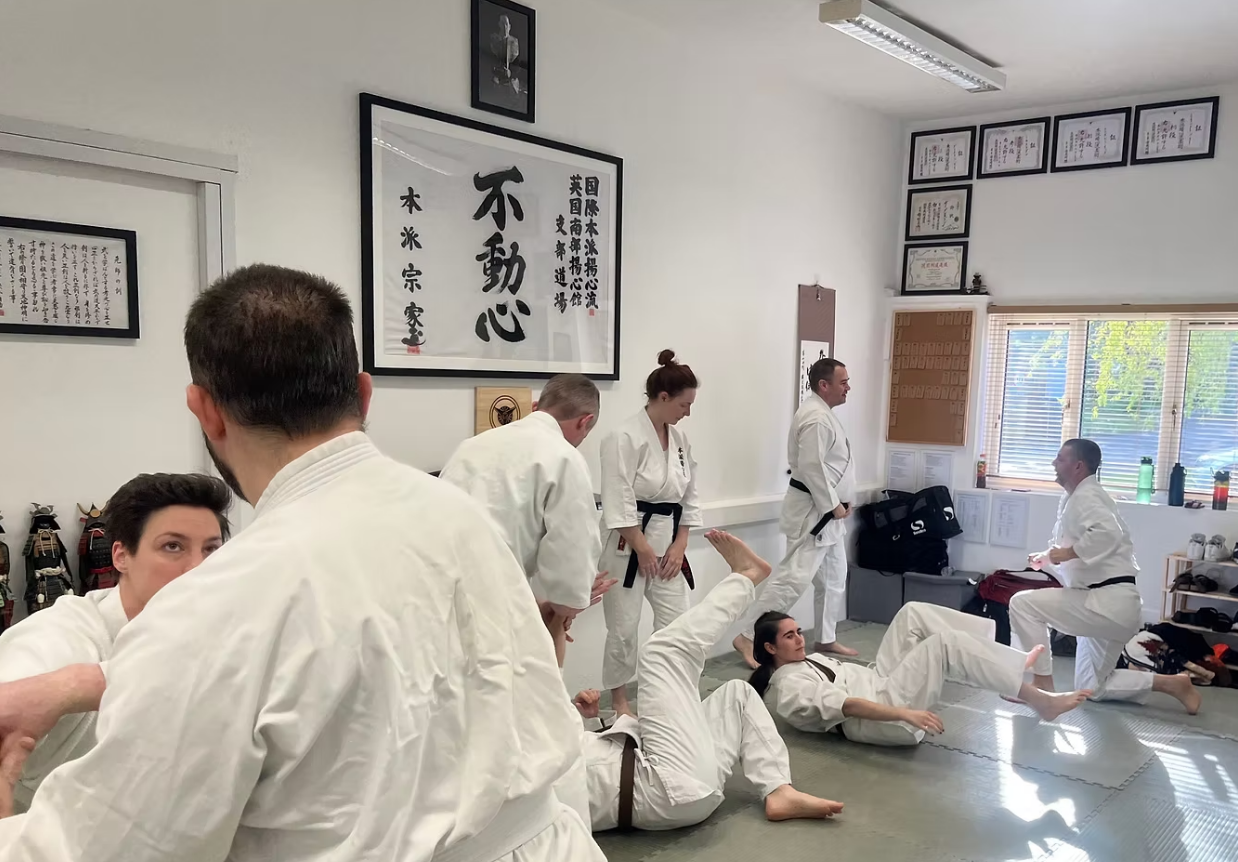
Sempai, Kohai and Dohai: respect for the hierarchical system
What is a dojo (道場)? | At the origins of the word
Mitsu no sen (three points) les trois principals initiatives

Karate Belts: Understanding the Order of Ranks
The concept of “Giri”, a profound moral commitment
Kyokun Martial – In karate there is no first attack.
The social economy at the heart of our martial arts center
