Jiu-Jitsu: from the meaning of belts to transformation Jiu-Jitsu is more than just a martial art; it is a journey of self-discovery, discipline and empowerment. Each track represents a step in this climb of learning and evolution.
In this article we will explore the meaning behind the belts, the rank structure, and why Jiu-Jitsu is an excellent choice for both women and children.
The Journey of the Belts in Jiu-Jitsu

There are several belts in Jiu-Jitsu, each symbolizing a level of skill and knowledge. The common progression is: White, Blue, Purple, Brown and Black. Each path has its own sublevels, which indicate the practitioner’s progress within that level.
Meaning of the colors of the bands
- Branch: represents the beginning of the journey, the student is considered a «blank slate», ready to learn.
- Blue: the blue belt symbolizes growth and improvement of basic techniques.
- Viola: It is the intermediate point, where the student begins to refine his techniques and develop his own fighting style.
- Brown: indicates a high level of competence and the ability to teach other students.
- Black: It’s not the end, but a new beginning. It represents the mastery of many techniques and the continuous learning journey.
Basic rules of Jiu-Jitsu
The rules of Jiu-Jitsu focus on ensuring safe and fair competition. Some principles include not attacking vulnerable areas such as the eyes or throat, respecting touch (signal to surrender), and competing based on one’s rank and weight.
Graduation time
The time between tracks may vary based on the student’s training frequency, dedication and skill. On average, it can take 1 to 2 years to progress from white belt to blue belt. However, each track’s journey is unique and should be fully experienced.
Jiu-Jitsu for kids
Incorporating Jiu-Jitsu into a child’s life can provide a number of benefits. In addition to improving motor coordination and physical strength, the gentle art teaches values such as respect, discipline and self-control. The practice helps build self-confidence, teaching children how to face adversity and stand up for themselves.
Jiu-Jitsu for women
Jiu-Jitsu is not only a self-defense tool for women, but also a means of empowerment. It helps build confidence, overcome fears and strengthen the body and mind. Women of all ages, sizes and abilities find the mat a space for growth and camaraderie.
Conclusion: discover Jiu-Jitsu for everyone
Regardless of your age or gender, Jiu-Jitsu has something valuable to offer. Whether you are a mother looking for an enriching activity for your child or a woman looking for a new challenge, Jiu-Jitsu is the right choice. Don’t wait any longer! Discover our Jiu-Jitsu programs for children and women and Start your delicate artistic journey today!
Conclusion
Jiu-Jitsu is much more than a martial art—it is a transformative journey that integrates discipline, self-awareness, and personal growth. Central to this journey is the belt system, which symbolizes the progression of skill, understanding, and character. Each belt represents a step along the path of learning, encouraging practitioners to reflect on their achievements while motivating them to continue developing both physically and mentally. From the white belt, symbolizing innocence and the beginning of the journey, to the black belt, reflecting mastery and a return to humility, the ranks in Jiu-Jitsu provide a structured framework for continuous self-improvement.
Beyond the technical aspects, Jiu-Jitsu cultivates qualities such as perseverance, patience, and resilience. Students learn to manage challenges, confront setbacks, and approach difficulties with calm and strategic thinking. These lessons extend far beyond the dojo, shaping the way practitioners respond to everyday life situations with confidence and composure. The practice also emphasizes respect, safety, and cooperation, creating a supportive environment where students of all ages can grow together.
Jiu-Jitsu is particularly empowering for women and children, offering not only self-defense skills but also boosting confidence, body awareness, and emotional regulation. It provides a safe and structured space for learning, promoting inclusivity and equality while building a strong sense of community.
Ultimately, the value of Jiu-Jitsu lies in its ability to transform individuals holistically. It is a path where physical skill, mental clarity, and personal character evolve in harmony. Through the progression of belts, students witness tangible markers of their growth, reinforcing the importance of dedication, humility, and continuous learning. Jiu-Jitsu is therefore not just a martial art, but a lifelong journey of self-discovery, empowerment, and personal excellence
latest posts published
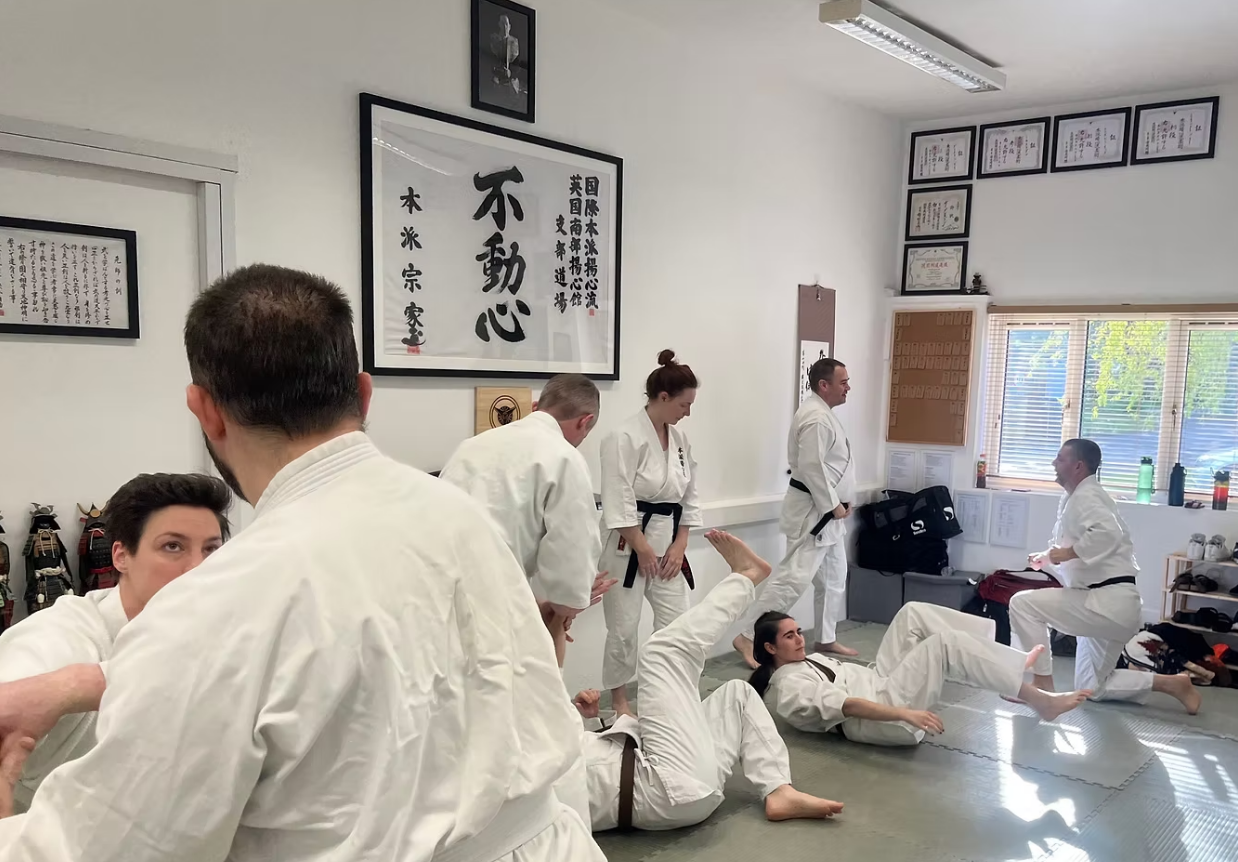
Sempai, Kohai and Dohai: respect for the hierarchical system
What is a dojo (道場)?
Mitsu no sen (three points) les trois principals initiatives

Karate Belts: Understanding the Order of Ranks
The concept of “Giri”, a profound moral commitment

Athlete Imaging | Martial Arts Larry Foisy
Black belts, keepers of knowledge
Kyokun Martial – In karate there is no first attack.
The social economy at the heart of our martial arts center