
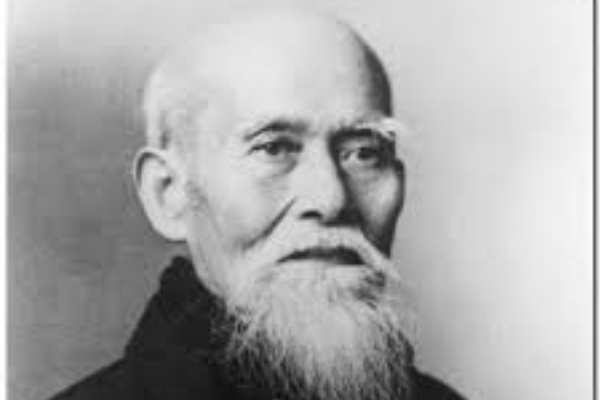
Discover the origins of Aikido and how this martial art evolved from the tradition of samurai warriors to become a modern path of harmony and personal development.
Aikido did not emerge as simply another Japanese martial art. It represents the culmination of centuries of martial and spiritual knowledge, forged in the history of samurai and shaped by the vision of one of the great masters of modern Japan: Morihei Ueshibathe founder of Aikido.
For those who are just starting out or want to understand more deeply what lies behind this unique martial art, knowing its history is essential. In this article we will explore how Aikido was born, its links to Bushidô and how it became a practice focused on harmony and self-knowledge.
🗡️ 1. The roots of Aikido in the samurai tradition
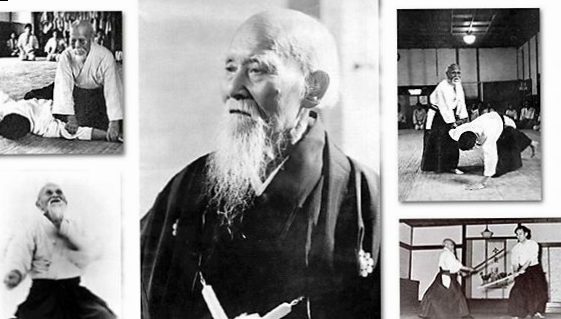
The history of Aikido dates back to the times of samuraithe warrior class of feudal Japan. For centuries, these warriors have mastered the fighting techniques known as jujutsu (leverage and immobilization techniques), sword (kenjutsu) and spear (sōjutsu).
These techniques aimed not only at defeating the enemy, but also at cultivating discipline, loyalty and self-control, the foundations of Bushidothe code of ethics of the samurai.
It is in this fertile soil that the seed of Aikido was planted.
👤 2. Morihei Ueshiba: the founder of Aikidô
Morihei Ueshiba (1883–1969) He was the creator of Aikido and one of the most respected masters in the history of Japanese Budo. From a young age, Ueshiba trained in various martial arts, including Daitō-ryū Aiki-jūjutsuwhich had a strong influence on the technical development of Aikido.
Over the years, Ueshiba had profound spiritual experiences that transformed his outlook on fighting. He believed that true victory was not in beating others, but in overcoming the internal conflict. Therefore, he shaped Aikido as an art of non-resistance, compassion and harmony with the universe.
🕊️ 3. From the battlefield to the Art of Peace
Unlike other martial arts that focus on competition or aggression, Aikido was conceived as a form of peaceful resolution of conflicts. Ueshiba transformed the art of war into a path of peace, cooperation and spiritual evolution.
This approach was reflected in the techniques: instead of blocking or attacking with brute force, the Aikido practitioner redirects the opponent’s energy, neutralizing the attack without causing unnecessary damage. This represents a high ideal of Budô — win without fighting.
🌏 4. The expansion of Aikido around the world
After World War II, Aikido began to spread outside of Japan. Ueshiba’s direct disciples, such as Kisshomaru Ueshiba, Gozo Shioda, Koichi Tohei and many others, brought the art to Europe, the Americas, Africa and Asia.
Aikido has conquered the world thanks to its unique approach, free from competition and focused on self-knowledge. Today it is practiced in more than 90 countriesin traditional dojos, schools, universities and cultural centers.
🔁 5. Aikido today: tradition and evolution
Despite the numerous schools and styles that have emerged over the years, the essence of Aikido remains alive: harmonize with each other’s energy, preserve the integrity of both and cultivate a spirit of peace.
Practicing Aikido today is a way of honor the samurai traditionabsorb Ueshiba’s teachings and follow a modern path of personal development. Every fall on the carpet is also an increase in consciousness.
Conclusion
The history of Aikido is, above all, a journey of transformation. From the warrior tradition of the samurai to the enlightenment of Morihei Ueshiba, Aikido has evolved into a martial art that promotes inner peace, harmony in relationships and personal overcoming.
Knowing this story means understanding that when training Aikido, the practitioner not only learns to defend himself, but to do so live in a more conscious and balanced wayintegrating body, mind and spirit.
Schedule your trial lesson and become part of this story
Do you want to experience the legacy of the samurai and Morihei Ueshiba in practice?
Plan yours free trial lesson and start your Aikido journey today.
Click here to make an appointment
Keywords: history of aikido, samurai aikido, origin of aikido, japanese martial arts, morihei ueshiba, founder of aikido, philosophy of aikido, nonviolence of aikido, aikido around the world, aikido styles
latest posts published
What does the name of our dojo “ishin denshin” mean?

Water: the elixir of life and the secret to optimal hydration
Sempai, Kohai and Dohai: respect for the hierarchical system
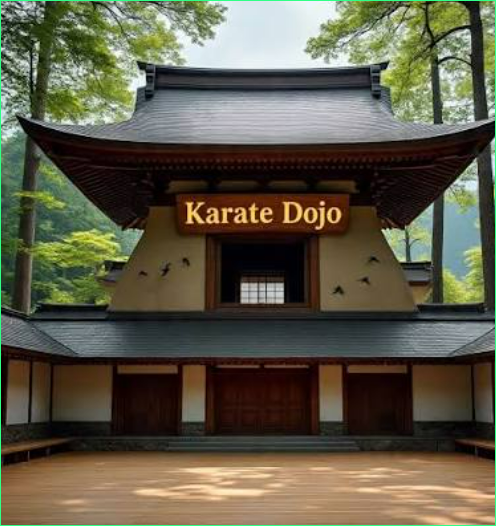
What is a dojo (道場)? | At the origins of the word
Mitsu no sen (three points) les trois principals initiatives

Karate Belts: Understanding the Order of Ranks
The concept of “Giri”, a profound moral commitment
Kyokun Martial – In karate there is no first attack.
The social economy at the heart of our martial arts center
